The Future of Identity: How Clone Technology is Redefining Life Itself – By Bhanuka – eLanka
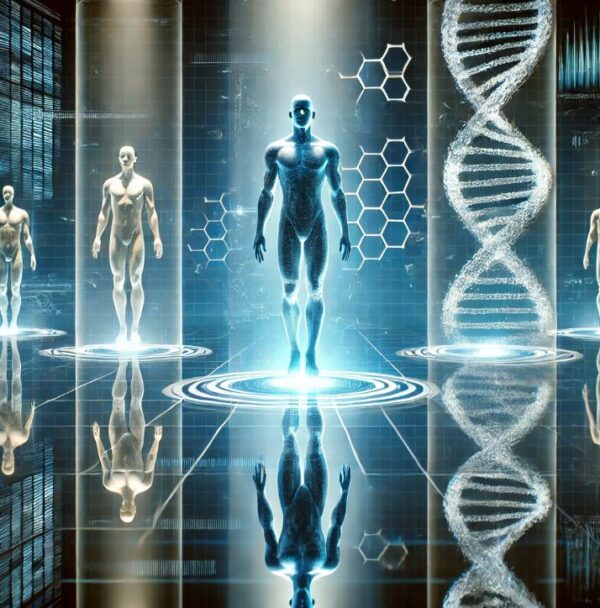
Clone technology has transitioned from the pages of science fiction novels to the cutting-edge laboratories of today. The ability to create a genetic replica of an organism poses questions that touch on the very essence of identity, ethics, and the future of humanity. With advances in reproductive, therapeutic, and gene cloning, we stand on the brink of a new era, one where the boundaries of life and individuality are being tested like never before. But as we explore this brave new world, we must also consider the profound implications it holds for society.
The Science Behind Cloning: At its most fundamental level, cloning involves the creation of an organism, cell, or DNA sequence that is genetically identical to another. The most well-known technique, somatic cell nuclear transfer (SCNT), involves the transfer of a nucleus from a donor somatic cell into an enucleated egg cell. This egg, now containing the full genetic material of the donor, can develop into a clone of the original organism when implanted into a surrogate.
Types of Cloning:
- Reproductive Cloning:
- Creating Organisms: Reproductive cloning is the most controversial form of cloning, as it involves creating a new organism with the same genetic makeup as the donor. While most famously demonstrated with Dolly the sheep in 1996, the implications of applying this technology to humans are staggering. Reproductive cloning could potentially allow for the birth of a child genetically identical to a deceased person or even create a genetically related offspring for couples facing infertility.
- Ethical Considerations: The ethical implications of reproductive cloning are vast. There are concerns about the psychological and social identity of the clone, the potential for exploitation, and the impact on family dynamics. Many argue that cloning undermines the uniqueness of human beings, reducing them to mere copies.
- Therapeutic Cloning:
- Medical Breakthroughs: Therapeutic cloning, on the other hand, focuses on creating embryonic stem cells that can develop into any cell type. These pluripotent cells hold the promise of revolutionizing medicine by offering personalized treatments for conditions such as Parkinson’s disease, spinal cord injuries, diabetes, and heart disease. By creating stem cells genetically identical to the patient, the risk of immune rejection is significantly reduced.
- Regenerative Medicine: Beyond disease treatment, therapeutic cloning could lead to advances in regenerative medicine, where damaged tissues and organs can be repaired or even replaced. This technology could extend human lifespan, improve quality of life, and potentially eradicate some of the most debilitating conditions.
- Gene Cloning:
- Biotechnology Applications: Gene cloning, or molecular cloning, involves copying specific genes or DNA segments. This technology has a wide range of applications, from research and medicine to agriculture. Scientists use gene cloning to produce insulin, human growth hormone, and other essential drugs. In agriculture, gene cloning allows for the modification of crops to enhance yield, improve resistance to pests, and increase nutritional value.
- CRISPR and Genetic Editing: The advent of CRISPR technology has further expanded the possibilities of gene cloning. With CRISPR, scientists can precisely edit the genome, allowing for targeted modifications that could eliminate genetic disorders or create organisms with desired traits. The combination of gene cloning and CRISPR is paving the way for a new era of genetic engineering.
Applications of Clone Technology: Clone technology has far-reaching applications across various fields, each with its own set of benefits and challenges.
- Agriculture and Food Security:
- Cloning Livestock: In agriculture, cloning technology can be used to produce livestock with superior traits, such as higher milk production, faster growth rates, and resistance to diseases. This could help meet the growing global demand for food and reduce the environmental impact of farming.
- Cloning Plants: Cloning is also used in plant agriculture to propagate plants with desirable traits, such as drought resistance, pest resistance, and enhanced nutritional content. By cloning high-performing plants, farmers can ensure consistent and reliable crop yields.
- Conservation and Biodiversity:
- Saving Endangered Species: Clone technology offers a potential lifeline for endangered species. By cloning animals from preserved genetic material, scientists can help restore populations of species that are on the brink of extinction. This approach could be crucial in maintaining biodiversity and preserving ecosystems.
- Ethical Concerns in Conservation: However, the use of cloning in conservation raises ethical questions about the value of naturally occurring genetic diversity and the potential consequences of reintroducing cloned animals into the wild.
- Personalized Medicine and Transplantation:
- Customized Therapies: Therapeutic cloning is driving the development of personalized medicine, where treatments are tailored to an individual’s genetic makeup. This approach could lead to more effective and targeted therapies with fewer side effects.
- Organ Transplants: In the future, therapeutic cloning could enable the growth of organs and tissues for transplantation that are genetically identical to the recipient, eliminating the risk of organ rejection and reducing the dependence on organ donors.
Ethical Implications and Societal Impact: As with any transformative technology, cloning brings with it a host of ethical, moral, and societal challenges. The possibility of human cloning, in particular, raises profound questions about the nature of identity, individuality, and human rights.
- Human Dignity and Identity:
- The Value of Uniqueness: One of the primary ethical concerns surrounding cloning is the potential erosion of human dignity. Cloning, by its nature, challenges the notion of individuality and uniqueness. If humans can be cloned, what does it mean to be an individual? How do we define identity in a world where genetic duplicates exist?
- Psychological Impact on Clones: There are also concerns about the psychological well-being of cloned individuals. How would a person cope with the knowledge that they are a genetic copy of someone else? What rights and protections should be afforded to clones, and how would society integrate them?
- Social and Legal Considerations:
- Regulation and Oversight: The rapid advancement of cloning technology has outpaced the development of comprehensive legal frameworks. There is a need for robust regulations to prevent misuse of the technology, protect the rights of clones, and ensure ethical practices in research and application.
- Global Consensus: Achieving global consensus on the ethical use of cloning is a significant challenge. Different cultures and societies have varying views on the morality of cloning, leading to a patchwork of laws and regulations worldwide.
- Potential for Misuse:
- Designer Babies: The combination of cloning and genetic engineering raises the possibility of “designer babies,” where parents could choose specific traits for their children. This could lead to a new form of eugenics, where certain genetic traits are valued over others, exacerbating social inequalities.
- Cloning for Exploitation: There is also the potential for cloning to be used for exploitative purposes, such as creating clones for organ harvesting or as expendable labor. These scenarios underscore the need for ethical guidelines and safeguards to prevent abuse.
The Future of Cloning: As we look to the future, it is clear that cloning technology will continue to evolve, offering both incredible opportunities and significant challenges. The decisions we make today will shape the trajectory of cloning and its impact on society.
- Advancements in Biotechnology:
- CRISPR and Gene Editing: The integration of CRISPR with cloning technology could lead to unprecedented control over genetic material. This could result in the creation of organisms with entirely new traits, blurring the line between natural and artificial life.
- Artificial Wombs and Lab-Grown Organs: The development of artificial wombs and lab-grown organs could complement cloning technology, enabling the creation of fully functional human organs and even entire organisms outside the human body.
- Ethical Leadership:
- Guiding Responsible Innovation: The future of cloning will depend on the establishment of ethical leadership and global cooperation. Scientists, ethicists, policymakers, and the public must engage in ongoing dialogue to navigate the complex moral landscape of cloning.
- Balancing Innovation with Humanity: As we push the boundaries of what is possible with cloning, it is crucial to balance innovation with respect for human dignity, individuality, and the natural world.
Conclusion: Clone technology is no longer a distant possibility—it is a reality that is reshaping our world in ways we are only beginning to understand. From medical breakthroughs to ethical quandaries, cloning challenges us to reconsider what it means to be human. As we stand on the brink of this new frontier, the choices we make today will determine the legacy of cloning for generations to come. The future of identity, life, and humanity itself may well depend on how we harness the power of this remarkable technology.