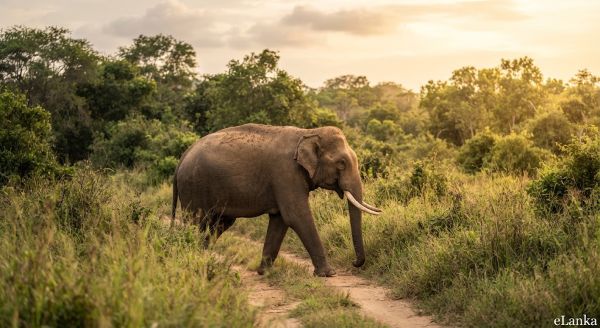
Elephant Deaths in Sri Lanka Reach Alarming Levels Despite Smaller Population
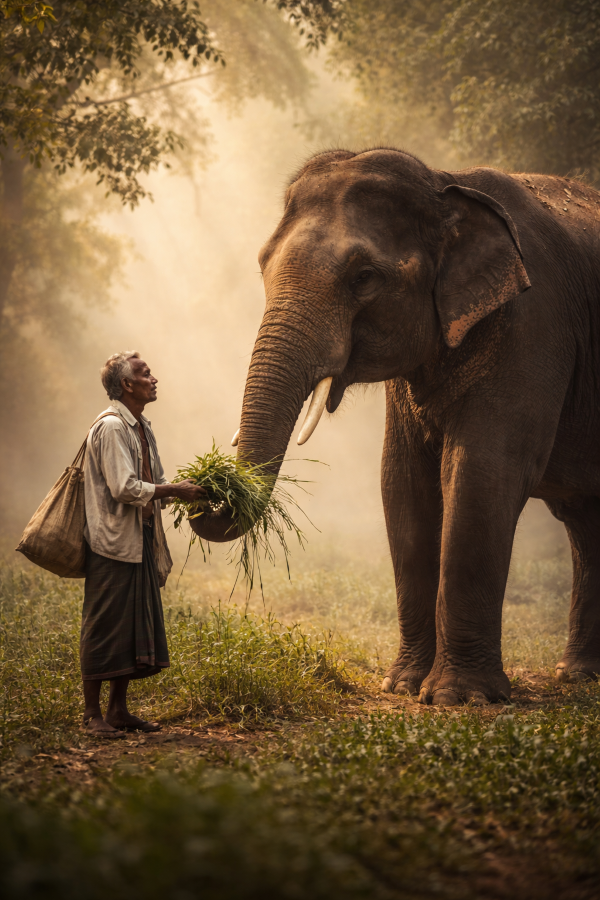
Sri Lanka is home to one of Asia’s most valued wild elephant populations. For centuries, elephants have shared this island with people, forming a deep connection to the country’s natural environment, culture, and history. Today, however, Sri Lanka faces a growing challenge as elephant deaths continue to rise, despite the nation having a much smaller elephant population than many other countries in the region.
While India is estimated to have between 20,000 and 27,000 elephants, Sri Lanka’s population is believed to be around 6,000 to 7,000. Yet official figures from the Department of Wildlife Conservation (DWC) show that, proportionally, Sri Lanka records the highest number of elephant deaths in South Asia. By mid-December 2025, 397 elephant deaths had been reported. This follows nearly 388 deaths in 2024, with 2023 being the most difficult year on record, when 488 elephants were lost.
Many of these deaths are connected to human–elephant interactions, which have become more frequent as both people and elephants rely on the same landscapes. Elephants often travel long distances in search of food and water, following routes they have used for generations. As land use changes and natural conditions shift, these movements sometimes bring elephants closer to villages, roads, and railway lines, increasing the risk of accidents and unintended harm.
Natural events have also played a role in worsening the situation. The impact of Cyclone Ditwah caused damage to electric fence systems and flooded several wildlife areas, limiting access to natural grazing grounds. As a result, elephants were compelled to move beyond their usual habitats. According to the Wildlife Ministry, hundreds of kilometres of electric fencing were affected, though restoration efforts are currently underway.
Flooding also led to the loss of young elephant calves, while others required rescue and care. These incidents highlight how vulnerable wildlife can be during extreme weather events and how closely their survival is linked to environmental stability.
Elephants are not aggressive by nature. They are intelligent, social animals guided by instinct, memory, and the need to survive. Their movements are often misunderstood, but they are rarely intentional. When elephants enter human spaces, it is usually in search of food, water, or safety.
Protecting Sri Lanka’s elephants is not only about conservation; it is about preserving balance. Elephants play a vital role in maintaining healthy ecosystems by dispersing seeds, shaping forests, and supporting biodiversity. Their survival benefits the environment as a whole.
Finding long-term solutions requires cooperation, planning, and compassion. Strengthening protective infrastructure, restoring natural habitats, safeguarding elephant corridors, and supporting community-based initiatives can help reduce risks for both people and elephants. Education and awareness are equally important, fostering understanding and coexistence rather than fear.
Sri Lanka’s elephants are a shared heritage. Their future depends on collective care and thoughtful action. By working together with empathy and respect for nature, Sri Lanka can ensure that these magnificent animals continue to roam its landscapes for generations to come.