Blues and Country: Grahame Davidson’s Musical Calling – by eLanka
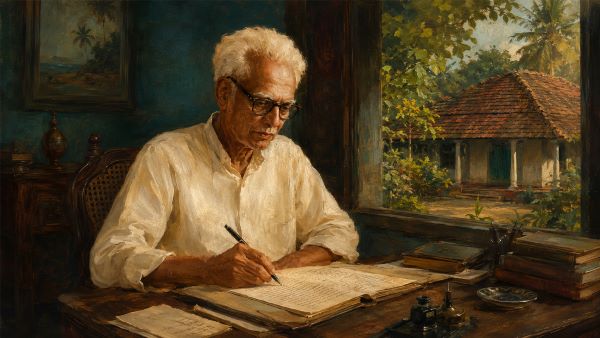
The room was calm, filled with the easy confidence of seasoned musicians at work. As the music flowed, a familiar face appeared before me, accompanied by a smile that carried echoes of a bygone era — unmistakably the “Davidson smile.” It was Grahame Davidson, son of the legendary jazz drummer Godfrey Davidson, whose elastic swing and fiery style once powered the rhythm sections of Ceylon’s finest bands.
While his father commanded the drums with authority, Grahame’s journey took a different musical road. Migrating to Sydney, Australia, he found his voice — quite literally — in blues, country, and roots music, with the harmonica and guitar becoming his instruments of choice.
From Rhythm to Melody
Growing up in the 1970s and 80s, Grahame was surrounded by music, but jazz was not what first captured his imagination. As a young listener, he was drawn less to rhythm and more to melody. The era’s blues-infused rock — from the Beatles and Rolling Stones to Cream, Simon & Garfunkel, and the Little River Band — left a lasting imprint. Guitar riffs, vocal phrasing, and expressive solos spoke to him in ways drum patterns never quite did.
That attraction deepened in the early 1990s when Grahame worked as a disc jockey at a popular Colombo nightclub. His playlists leaned heavily toward blues and rhythm-and-blues, even on dance floors where such choices were unexpected. One evening, renowned Sri Lankan drummer Aruna Siriwardhana happened to be in the audience and paid him a compliment for playing blues at a club venue. When Grahame explained it was simply the music he felt drawn to, the response was prophetic: “You’ve got the blues.”
That moment confirmed what Grahame had already begun to sense. The more he researched the roots of the music he loved, the clearer it became that blues lay at the heart of much of modern popular music. Guitar, harmonica, and vocals — the classic blues trio — soon became his focus.
Balancing Music and Career
Despite his passion, Grahame was realistic about the challenges musicians of his father’s generation had faced. Rather than pursue music full-time in his youth, he chose to prioritise education and career stability. He completed his marketing studies and built a successful career in sales and marketing across Sri Lanka and Australia.
Music, however, never left his life. In Sri Lanka, much of his early performing was within Christian gospel circles, playing at concerts, churches, and rallies. His first experience in a commercial band came later, while working in Qatar nearly three decades ago.
The Sydney Blues Chapter
Australia proved to be fertile ground for Grahame’s blues sensibilities. After stepping away from radio work in Sydney, he formed an acoustic-electric blues outfit called The Hillside Blues Band. The group brought together musicians from across cultures — Noritaka Suga from Japan on guitar, Larry Bautista from the Philippines on bass, and Grahame himself on vocals, guitar, and harmonica. Guest harmonica players often joined them, adding texture to their sound.
Bonded by a shared love of the “Southern sound,” the band leaned heavily into delta blues traditions, drawing inspiration from the Mississippi region. Their repertoire included classics by Robert Johnson, Lead Belly, Ray Charles, B.B. King, J.J. Cale, Eric Clapton, and touches of jazzy blues influenced by Armstrong and Gershwin. While the band is no longer active, Grahame continues to perform solo gigs and participate in jam sessions around his local Sydney community.
Finding His Voice on the Harmonica
Grahame’s harmonica journey began with the influence of Belgian jazz legend Toots Thielemans — a universally revered figure among harmonica players. As his playing evolved, he immersed himself in the styles of blues greats such as Sonny Boy Williamson II, Junior Wells, James Cotton, Paul Butterfield, Jimmy Reed, and Sonny Terry, while also appreciating modern players like Adam Gussow. The influence of Stevie Wonder and Bob Dylan, too, remains ever-present.
Primarily a diatonic harmonica player — the instrument of choice in blues and country — Grahame understands its expressive power, contrasting it with the chromatic harmonica more commonly used in jazz.
A Voice on the Airwaves
Music wasn’t Grahame’s only means of expression. Radio played a formative role in his life, beginning with childhood memories of Radio Ceylon. He later became a relief announcer at SLBC and Yes FM before reigniting his broadcasting passion in Sydney at Alive 90.5 FM.
Starting with traffic and weather segments and occasional fill-in roles, he eventually launched his own show, “The Soul Train.” The programme became a recognised platform for blues and soul, even serving as an official publicity partner for the world-famous Byron Bay Blues Festival. Through the show, Grahame interviewed internationally acclaimed artists, including Grammy winners and blues icons such as Charles Neville, Bobby Rush, Joe Louis Walker, and Seth Lakeman.
After eight memorable years — coinciding with the challenges of the Covid-19 pandemic — Grahame decided to step away from radio, closing an important chapter of his creative life.
Reconnecting with Sri Lanka
Grahame finds encouragement in the Sri Lanka’s emerging musical talent. He notes a new generation of musicians developing their own identities while still respecting blues and jazz traditions. When on holiday, he finds opportunities to sit in for a jam with Colombo’s leading musicians.
From jazz heritage to blues devotion, from Colombo to Sydney and back again, Grahame Davidson’s journey reflects a life shaped by sound, curiosity, and an enduring love for music that speaks from the soul.
Ref: Excerpts taken from an original publication by Mahes Perera in The Sunday Observer.