Is Eating Meat Necessary for Good Health?-by Harold Gunatillake

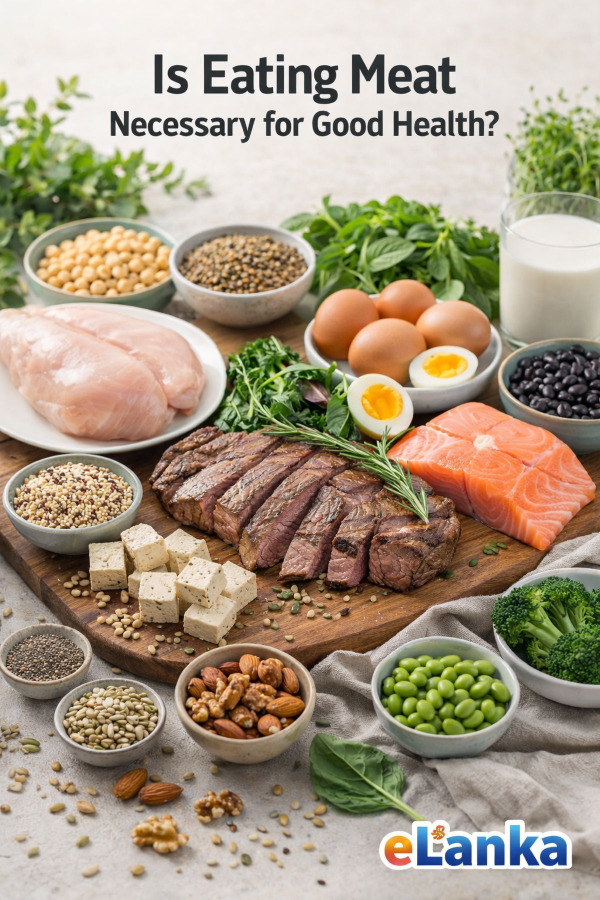
Or Can a Plant‑Based Diet (With Eggs) Provide Enough Protein?**
For decades, the question of whether humans require meat for optimal health has prompted ongoing discussion among nutrition experts, physicians, and the general public. Currently, with increasing focus on plant-based diets, sustainability, and long- term well-being, this matter appears more pertinent than ever. The concise answer is clear: consuming meat is not an essential biological requirement for good health; however, to meet your protein and micronutrient needs on a plant-based diet, you need to be mindful, incorporate variety, and, at times, consider supplementation.
Protein: The Core of the Debate
Protein is essential for muscle repair, immune function, hormone synthesis, and healthy ageing. Historically, meat has been considered the “gold standard” owing to its complete profile of all nine essential amino acids in ideal proportions.
However, contemporary research indicates that plant-based diets can adequately fulfil protein requirements, provided they encompass a diverse range of protein-rich foods such as:
- Lentils, chickpeas, and beans
- Tofu, tempeh, and soy milk
- Nuts and seeds
- Whole grains like quinoa, oats, and brown rice
- Eggs (if included)
Eggs, in particular, are a complete protein source, making them a valuable addition for those who avoid meat but not animal products.
How Much Protein Do We Actually Need?
The majority of adults necessitate 0.8 grams of protein per kilogram of body weight. Elderly individuals or those who engage in regular physical activity may benefit from an intake of 1.0–1.2 grams per kilogram.
Studies show that plant‑based eaters can meet these targets comfortably by distributing protein across meals and choosing diverse sources. For example:
- 2 eggs: 12 g
- 1 cup cooked lentils: 18 g
- ½ cup tofu: 10–20 g
- 2 tbsp peanut butter: 8 g
- 1 cup quinoa: 8 g
With thoughtful planning, daily totals of 60–90 grams are easily achievable.
What About Essential Amino Acids?
In contrast to meat, numerous plant proteins are deficient in one or more essential amino acids. However, this does not pose a hindrance to good health. Scientific studies affirm that the body
sustains an amino acid “pool,” enabling the combination of various plant foods throughout a day, not necessarily within the same meal.
Pairing foods like:
- Legumes + grains (e.g., lentils with rice)
- Nuts + seeds
- Soy products + whole grains ensures a complete amino acid
Micronutrients: Where Meat Has an Edge Meat is rich in:
- Iron (highly bioavailable heme iron)
- Vitamin B12
- Zinc
- Selenium
- Omega‑3 fatty acids (in some meats)
Plant-based diets can still meet these needs, but with more attention to detail.
- Iron: found in lentils, beans, spinach, fortified cereals (absorption improves with vitamin C)
- Zinc: found in nuts, seeds, whole grains
- Vitamin B12: must come from eggs, dairy, or supplements if fully vegan
Eggs offer substantial quantities of vitamin B12 and high-quality protein. making them a strong nutritional anchor for plant‑based eaters.
Health Benefits of Reducing Meat
Large studies consistently show that high consumption of red and processed meat increases the risk of:
- Heart disease
- Stroke
- Type 2 diabetes
- Colorectal cancer
On the other hand, diets rich in plant proteins are linked to:
- Lower cholesterol
- Reduced inflammation
- Better weight management
- Lower risk of chronic disease
This doesn’t mean meat is harmful in small amounts. Lean, unprocessed meat can be part of a balanced diet. But it is not essential.
So, Is Meat Necessary for Good Health?
No.
A well-structured plant-based diet, particularly one that incorporates eggs, can adequately meet the protein and nutrient requirements of most individuals.
Yes, meat can be advantageous, particularly for iron and vitamin B12; however, it is not essential for maintaining health, longevity, or physical performance.
The key is variety, balance, and awareness.
Conclusion
Regardless of whether you choose to consume meat, maintaining good health depends on your overall dietary pattern. A plant- based diet, complemented by eggs and a variety of protein sources, is more than adequate to sustain a robust and healthy body. For many individuals, reducing meat consumption offers both health and environmental benefits — all while preserving nutritional quality.
End
Buddhism & Eating Meat
Not all Buddhists are vegetarians, and different Buddhist texts have varying views on eating meat. For example, some Mahayana sutras, such as the Lankavatara Sutra, clearly advise against it. This sutra highlights that bodhisattvas, who are dedicated to kindness, should refrain from eating meat to avoid causing fear and suffering. It also notes that meat comes from wild animals and isn’t suitable to eat, reminding us that both the person who kills animals and the one who buys meat share responsibility. This shows that opinions on meat-eating can differ within the Buddhist community, emphasising a compassionate approach to avoiding harm whenever possible.