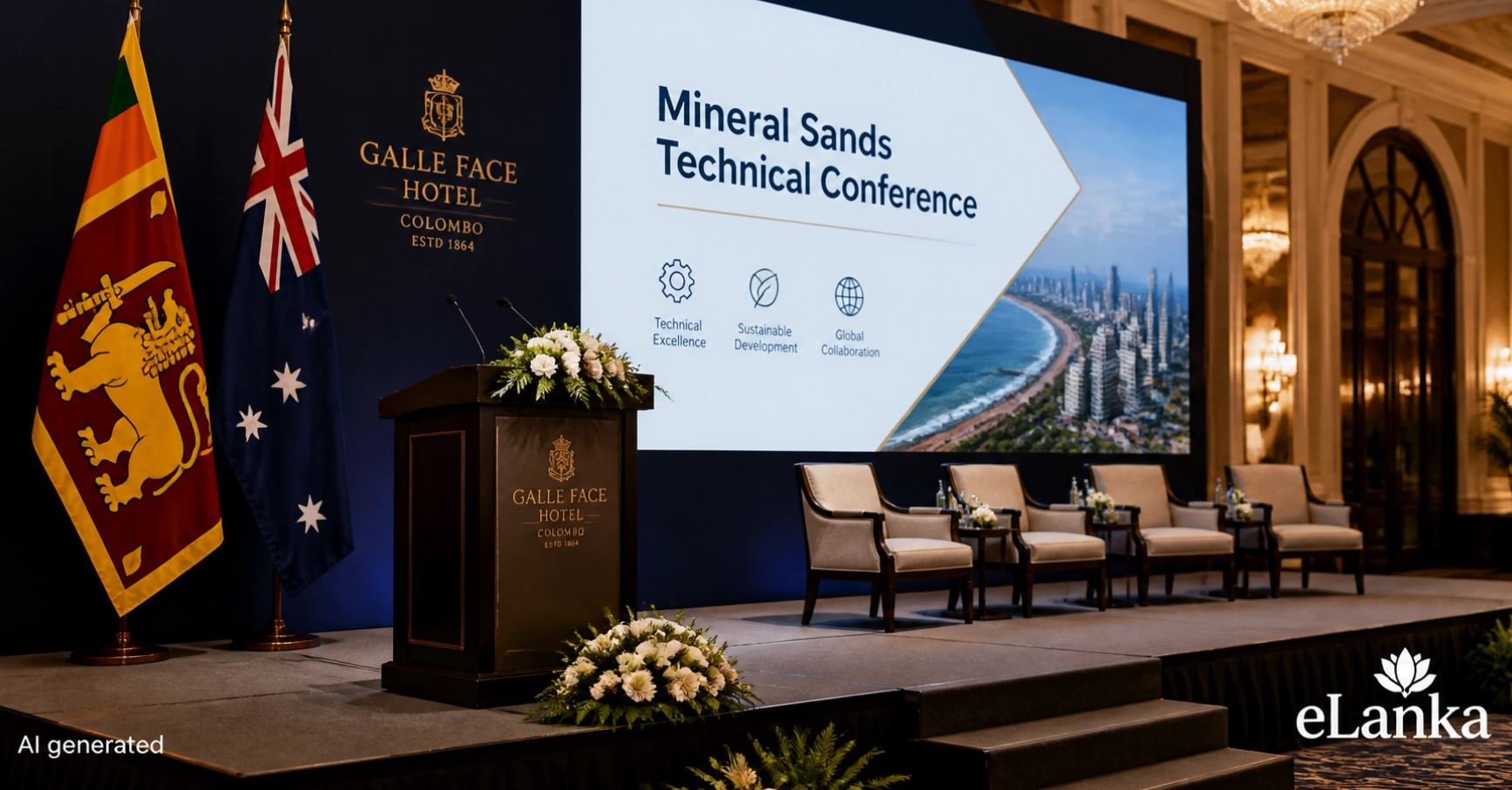
For many years, the narrative surrounding the relationship between Australia and Sri Lanka was often viewed through a relatively narrow lens. It was a story frequently dominated by discussions on border protection and maritime security. However, as the geopolitical landscape of the Indian Ocean continues to evolve, a more sophisticated and multi-dimensional partnership is beginning to emerge. This shift indicates that Australia is increasingly viewing Sri Lanka not just as a location in a great-power contest between giants like China and India, but as a vital governance partner with its own unique sovereign path.
A recent analysis published by the Lowy Institute, authored by Kulani Wijayabahu, suggests that Sri Lanka’s post-crisis recovery serves as a significant test for smaller Indian Ocean states. The central question is whether a nation can rebuild its autonomy and institutional strength without being absorbed or controlled by any single major power. For the Sri Lankan community in Australia, this evolving perspective represents a positive step toward a deeper, more respectful bilateral relationship that moves beyond the historical “border protection file.”
The Power of People-to-People Ties
At the heart of this strengthening bond are the immense people-to-people ties that have been cultivated over decades. Sri Lankan communities and students residing in Australia have created a vast reservoir of trust and mutual understanding that larger global powers often struggle to replicate. These connections are not merely social; they are instrumental in shaping how Australia perceives its role in Sri Lanka’s future.
The presence of a vibrant Sri Lankan community across Australian cities, from Melbourne to Perth, acts as a bridge for trade, education, and cultural exchange. According to the Department of Foreign Affairs and Trade (DFAT), the relationship spans a diverse array of sectors, including education and development. By fostering these links, Australia can leverage a unique “soft power” that is built on genuine human connection rather than just financial investment or strategic positioning. This makes the Sri Lankan Community Portal a vital space for maintaining these essential ties.
Moving Beyond the “China-India” Narrative
It is common for international observers to frame Sri Lanka’s strategic value in terms of geography, being near major sea lanes and caught between the interests of New Delhi and Beijing. Projects like the Hambantota Port and the proposed Sinopec refinery are often cited as evidence of this competition. However, the Lowy Institute article argues that reducing Sri Lanka’s story to a “China wins, Sri Lanka loses” scenario misses a much larger point.
Sri Lanka is currently in a state of national transition, attempting to restore investor confidence and manage its debt while retaining strategic autonomy. The sharper question for Canberra is not about who is “winning” Sri Lanka, but how Sri Lanka can manage its own maritime security, digital infrastructure, and anti-corruption reforms on its own terms. Australia’s strongest role is to assist Sri Lanka in becoming harder to coerce by investing in what is termed the “infrastructure of sovereignty.”
Investing in the Infrastructure of Sovereignty
Australia’s comparative advantage lies in its ability to support the institutions that expand Sri Lanka’s room for manoeuvre. Rather than trying to outspend China or outrank India in terms of infrastructure funding, Australia can provide critical support in areas such as public debt management, transparent procurement, and audit capacity.
These are not merely technical additions; they are the fundamental building blocks of a resilient state. By strengthening Colombo’s bargaining capacity, Australia helps ensure that the nation can negotiate more confidently with all external financiers. This includes support for anti-corruption institutions and customs integrity, areas where Australian expertise is highly regarded. For those following Sri Lankan News Australia, these governance-focused collaborations represent a modern approach to international development that prioritises long-term stability.
Maritime Cooperation and Regional Stability
The maritime domain remains a cornerstone of the Australia-Sri Lanka partnership. However, the focus is shifting toward providing “maritime public goods.” This includes cooperation in fisheries enforcement, hydrography, search and rescue operations, and marine pollution response.

By enhancing Sri Lanka’s maritime domain awareness, Australia helps the nation protect its own coastal resources and resilience. Furthermore, the use of regional institutions like the Indian Ocean Rim Association (IORA) and BIMSTEC provides a legitimate platform for both nations to collaborate on shared challenges. Sri Lanka’s role in these organisations, combined with Australia’s active participation, creates a framework for regional connectivity that is not tied to any specific “bloc politics.”
A Future-Focused Partnership
As Sri Lanka continues its difficult journey toward economic stabilisation following the 2022 crisis, the support of partners like Australia is more crucial than ever. The transition from a “legacy border-protection file” to a “governance partner” reflects a maturing relationship that values Sri Lankan agency.
Whether it is through educational links, professional networking, or institutional support, the goal remains the same: to help build a Sri Lanka that is strong enough to ensure no external actor controls its choices. For the community here in Australia, this shift in perspective is a welcome development that highlights the untapped potential of a nation that is much more than just a strategic point on a map.
For more updates on community events and international news, stay tuned to our Sri Lankan Community Portal.
Source: https://www.lowyinstitute.org/the-interpreter/australia-should-see-sri-lanka-more-china-india-contest
This article was written based on the source https://www.lowyinstitute.org/the-interpreter/australia-should-see-sri-lanka-more-china-india-contest, kindly email us at info@eLanka.com.au if any information needs to be corrected.
At eLanka, we respect the rights of creators. If we have used an image you own and you’d like it removed, please email us at info@elanka.com.au and we’ll handle it promptly.