India-Funded US$2.5 Million Restoration Begins on the Cyclone-Damaged Moragahakanda–Wellewala Bridge
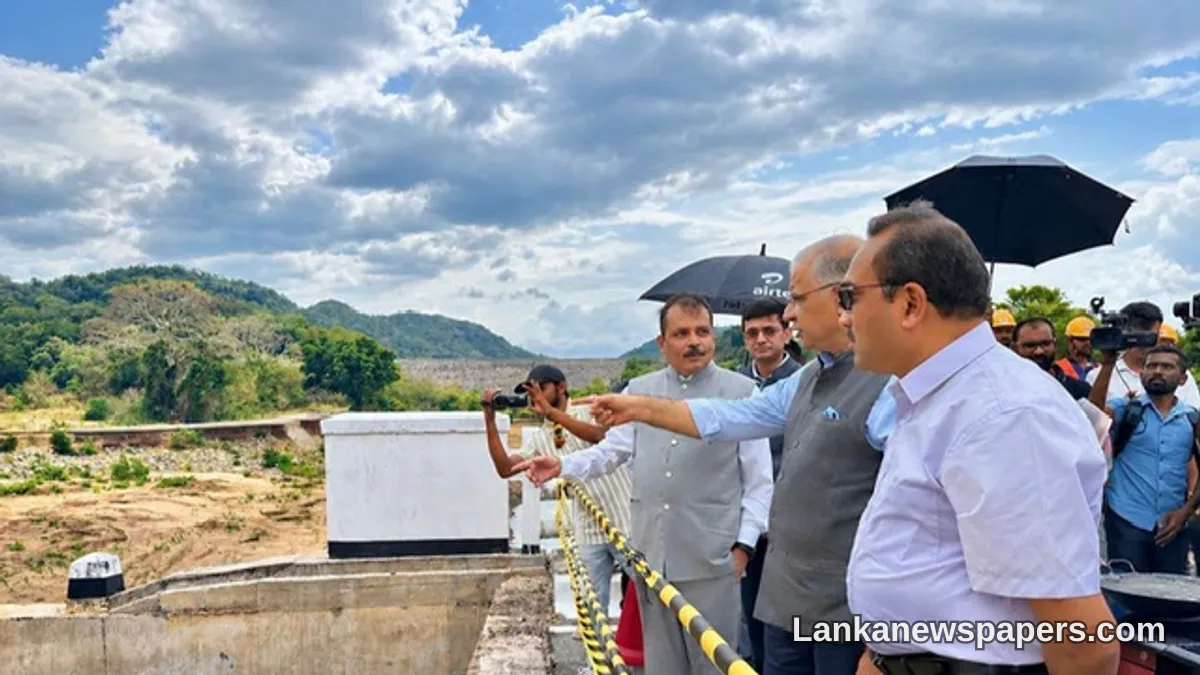
Image Source : www.lankanewspapers.com
Restoration work begins on a vital rural crossing
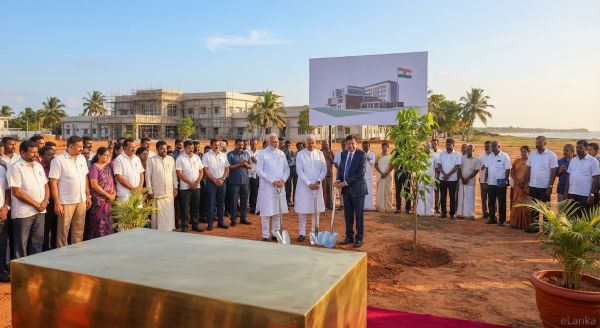
Restoration work on Bridge No. 1/1 along the Moragahakanda–Wellewala Road has officially commenced, marking an important step in the reconstruction of transport infrastructure damaged by Cyclone Ditwah and offering renewed hope to communities that depend upon the crossing for everyday travel, trade and access to essential services.
According to a report published by Lankanewspapers.com on 20 September 2026, the project was launched on Monday, 20 September, with restoration work focused on the severely affected bridge situated along the Moragahakanda–Wellewala corridor.
The rehabilitation programme is being funded by the Government of India to the value of US$2.5 million, a commitment that demonstrates the continuing strength of the relationship between the two neighbouring countries and provides practical assistance at a time when the restoration of public infrastructure remains essential to Sri Lanka’s recovery.

A project shaped by post-cyclone needs
Cyclone Ditwah caused considerable damage to road networks and other essential infrastructure, affecting the movement of people, goods and services across areas connected by vulnerable roads and bridges. Where a bridge is damaged, the consequences frequently extend well beyond the immediate structure, as families may face longer journeys, farmers can encounter difficulty transporting produce, and access to schools, healthcare facilities and markets may become less reliable.
The Moragahakanda–Wellewala Road serves as an important transport link for local communities, and the restoration of Bridge No. 1/1 is therefore expected to address both a structural requirement and a wider social need. A safe crossing is instrumental in allowing rural communities to remain connected with surrounding towns and service centres, particularly where alternative routes are limited, distant or unsuitable for regular commercial and passenger traffic.
The commencement of work is consequently more than a construction milestone. It represents the beginning of a process through which mobility, local confidence and economic continuity can gradually be restored.

India’s contribution reflects regional solidarity
The US$2.5 million financial contribution from India underscores the practical dimension of Sri Lanka–India relations, in which regional cooperation is expressed not only through cultural and diplomatic engagement but also through support for infrastructure and post-disaster recovery.
For Sri Lanka, external assistance directed towards clearly defined reconstruction projects can be particularly valuable because it helps accelerate the return of essential services while reducing pressure on domestic resources. For communities affected by Cyclone Ditwah, the value of such support is likely to be measured in practical terms: a safer bridge, a more dependable road journey, improved access to markets and greater confidence that normal economic activity can resume.
The project also illustrates the importance of neighbouring countries working together when natural disasters place pressure on national infrastructure. Sri Lanka and India share close geographical, historical and cultural links, and assistance directed towards a public bridge in a rural area demonstrates how bilateral cooperation can produce benefits at community level.
Expected benefits for transport and local activity
Once restoration has been completed, Bridge No. 1/1 is expected to provide safer and more reliable connectivity along the Moragahakanda–Wellewala corridor. The benefits are likely to extend across several areas of daily life and regional development.
Safer movement for residents
A structurally restored crossing should improve the safety of residents travelling between villages and nearby service centres. Reliable road access is especially important for people travelling for education, healthcare, employment and administrative requirements, as disruptions can place additional financial and practical burdens on households.
More efficient movement of goods
The road corridor is also expected to support the movement of agricultural produce, supplies and other goods. When a bridge is damaged, transport operators may be compelled to use longer routes, increasing fuel costs, journey times and the risk of delays. Restored infrastructure can therefore assist farmers, traders and small businesses by improving the efficiency of local distribution.
Improved access to essential services
The reopening or strengthening of a dependable route can improve access to hospitals, clinics, schools, markets and public services. Such benefits are particularly significant in rural areas, where communities may rely upon a small number of transport links and where a single damaged crossing can affect a broad geographical area.

Rebuilding confidence after disruption
Infrastructure restoration is often judged by the final appearance of a completed bridge, yet its wider importance lies in the confidence that it restores among local residents. A damaged crossing can become a visible reminder of disruption, uncertainty and restricted movement, while a carefully completed reconstruction can signify a return to stability.
The commencement of the Moragahakanda–Wellewala project is therefore a positive development for the affected region. Although construction work will require careful planning, technical supervision and continued attention to safety, the launch provides a clear indication that the damaged crossing is being addressed through a properly funded restoration effort.
Authorities and local residents are expected to remain hopeful that the work will proceed in a timely manner, allowing the road corridor to resume its full role in supporting local mobility and economic activity. The eventual completion of the project should bring much-needed relief to households whose daily routines have been affected by the damaged bridge.
A constructive example of regional cooperation
The restoration of Bridge No. 1/1 also offers a broader example of how regional partnerships can support practical development. Large infrastructure initiatives often attract attention because of their scale, but smaller bridges and local roads can be equally important to the people who use them every day.
For rural communities, the value of a bridge is measured through ordinary but essential activities: reaching a workplace, taking produce to market, attending school, obtaining medical care or maintaining contact with neighbouring communities. When such a crossing is restored, the improvement is distributed across many aspects of local life.
India’s funding commitment, combined with Sri Lanka’s responsibility for implementation and oversight, creates an opportunity for the project to become a durable contribution to post-cyclone recovery. Its success will depend upon construction quality, sound project management and the timely completion of each stage, but the commencement itself marks a constructive move forward.

Renewed connectivity for the future
The restoration of the Moragahakanda–Wellewala Bridge is expected to strengthen a transport corridor that serves communities well beyond the immediate location of the crossing. By restoring safe passage, improving the movement of goods and supporting access to essential services, the project has the potential to assist both household recovery and regional economic activity.
It also reinforces the importance of infrastructure that is resilient, accessible and responsive to the needs of local communities. As Sri Lanka continues rebuilding areas affected by Cyclone Ditwah, projects such as this one can provide a foundation for renewed connectivity and more secure local development.
The US$2.5 million India-funded restoration is consequently a significant undertaking, not only because of the damaged bridge being repaired, but also because it reflects the practical value of Sri Lanka–India cooperation. For the people who rely on the Moragahakanda–Wellewala Road, the project represents the prospect of safer journeys, more dependable trade and a gradual return to normality.
For continuing coverage of positive Sri Lankan community, development and regional stories, readers can visit the eLanka website.
Source: https://www.lankanewspapers.com/2026/09/20/india-funded-us-2-5-million-restoration-of-cyclone-damaged-moragahakanda-wellewala-bridge-gets-underway
This article was written based on the source https://www.lankanewspapers.com/2026/09/20/india-funded-us-2-5-million-restoration-of-cyclone-damaged-moragahakanda-wellewala-bridge-gets-underway, kindly email us at info@eLanka.com.au if any information needs to be corrected.
At eLanka, we respect the rights of creators. If we have used an image you own and you’d like it removed, please email us at info@elanka.com.au and we’ll handle it promptly.