


SLITHM Inaugurates First Degree Programme as 65 Students Begin the Bachelor of Hotel and Resort Management (Honours)

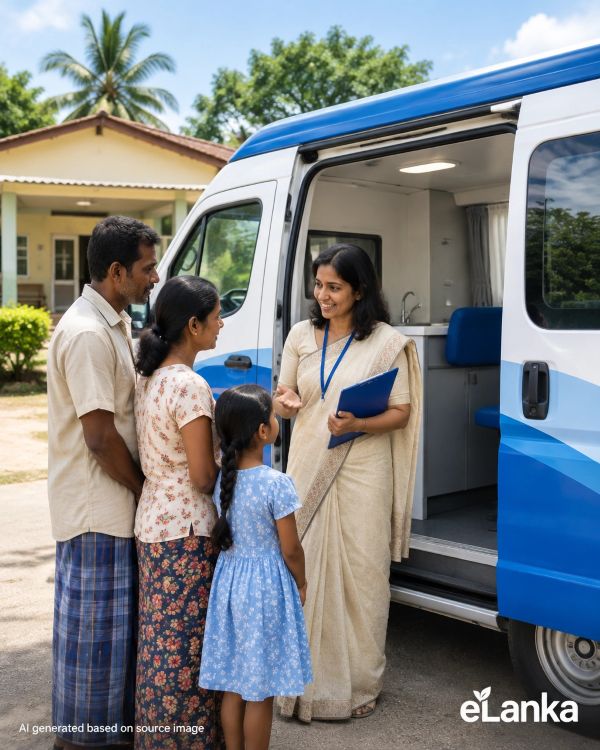
AI-generated illustration. No authentic event photograph is embedded in this article.
The Sri Lanka Institute of Tourism and Hotel Management (SLITHM) has inaugurated its first-ever degree programme, opening a new route into professional hospitality education for an inaugural group of 65 students. The Bachelor of Hotel and Resort Management (Honours) was launched at a ceremony at the Cinnamon Lakeside Colombo Grand Ballroom on 27 October 2026, marking a significant development in the preparation of skilled workers for Sri Lanka’s tourism and hospitality sector.
The programme arrives as the industry faces a substantial workforce challenge. Newswire reported an estimated requirement for 600,000 additional workers, while the new four-year degree is intended to help meet demand through a combination of academic study and practical preparation. The inaugural intake is notable for its gender balance: the majority of the 65 students are women, creating an encouraging opening for greater female participation in the sector.
A first degree for SLITHM
Established as a specialist institution for tourism and hotel training, SLITHM has now expanded its educational offering with a four-year Bachelor of Hotel and Resort Management (Honours). The launch brings degree-level study into the institute’s longstanding role in preparing people for hospitality careers.
According to the institute’s official programme page, the course combines academic learning with practical training, industry exposure and internships. Its stated areas of study span hotel operations, tourism management, leadership, communication and professional development. The course structure also includes research and a final dissertation, giving students opportunities to develop both applied skills and analytical understanding.
The official course information describes the qualification as an SLQF Level 6 degree aligned with University Grants Commission standards. This framework gives the programme an academic structure while retaining a clear connection to the operational needs of hotels, resorts and the wider tourism economy.

AI-generated illustration of practical hospitality training.
Connecting study with industry practice
Hospitality work requires a combination of technical knowledge and people-centred skills. Hotel and resort operations rely on service standards, communication, organisation and teamwork, as well as practical competence in areas such as front-office management, housekeeping, food and beverage service and culinary operations.
The SLITHM programme is designed to connect these dimensions through classroom learning and workplace experience. The institute’s published course information lists practical instruction, internships, field visits, group projects and industry exposure among its teaching methods. The programme also includes foreign-language study, reflecting the value of communication in a sector that serves visitors from many countries.
Newswire reported that the four-year course incorporates academic learning, industry training, internships, thesis research and foreign-language instruction. Together, these elements are intended to help students develop a broad foundation, rather than prepare only for a single entry-level role. The aim is to equip graduates for employment and progression across a range of hospitality and tourism settings.
For families considering hospitality careers, this combination may be especially relevant. It offers students a structured route to build professional knowledge while gaining exposure to the working environment they may enter after graduation. The course details and entry requirements are available through SLITHM’s official degree page.
A workforce challenge and an opportunity
The reported estimate of 600,000 additional workers needed across Sri Lanka’s tourism industry illustrates the scale of the skills challenge. Meeting that need will depend not only on the number of people entering the sector, but also on the quality and relevance of their preparation.
In its report on the launch, Newswire highlighted the programme’s practical orientation and its intended role in addressing the shortage. The Morning similarly reported on the importance placed on skilled workers and strong institutions in supporting tourism growth. These reports point to a central consideration for the industry: workforce development must keep pace with the services, standards and professional capabilities that tourism requires.
A degree programme cannot resolve a sector-wide shortage on its own, but it can contribute to a stronger foundation for training and career development. By joining formal study with industry learning, SLITHM’s course is positioned to help students understand both the principles behind hospitality management and the practical demands of service delivery.

AI-generated illustration of language and guest-service learning.
Women and young people in tourism
The inaugural class has particular significance because most of the students are women. At the ceremony, Prime Minister Dr Harini Amarasuriya, who attended as chief guest, emphasised that tourism should create quality employment, empower young people and expand opportunities for women. She also highlighted the importance of skilled workers and strong institutions to the sector’s development.
Her remarks, as reported by The Island and The Morning, focused on education and workforce development. The Prime Minister noted the importance of creating opportunities for women to participate in and benefit from tourism, while the composition of the first intake gives the programme an immediate connection to that objective.
Daily FC also reported her emphasis on quality employment, youth empowerment and women’s participation. These priorities underline why access to professional education matters: a well-designed course can help broaden the pathways through which young people enter the industry and develop their careers.

AI-generated illustration of hotel-based learning.
Building wider training capacity
The inauguration was also accompanied by plans to expand SLITHM’s training capacity. Newswire reported plans for an institutional upgrade supported by the World Bank, an expansion of district branches and the establishment of a Regional Tourism Training and Research Centre in Habarana. If developed, these initiatives could extend access to training beyond Colombo and strengthen SLITHM’s role as a national centre for hospitality education.
The Habarana proposal is particularly relevant to a sector whose employment and visitor services extend across the island. A regional training and research centre could help bring education closer to tourism destinations and support a broader understanding of the skills required in different settings. The planned district expansion likewise points to the potential for more people to access formal training without needing to rely solely on facilities in the capital.
Such plans are institutional developments, rather than immediate outcomes, and their progress will depend on implementation. Nevertheless, they show how the new degree may form part of a larger effort to strengthen training provision and connect education more closely with industry requirements.
A milestone with long-term significance
The first batch of 65 students represents a beginning: a new degree pathway at SLITHM, a cohort in which women form the majority, and an educational response to the substantial workforce needs reported across Sri Lanka’s tourism sector. The programme’s value will ultimately be measured through the quality of its training, its connection with employers and the opportunities available to its graduates.
For Sri Lankans at home and abroad who follow the country’s tourism development, the launch is a noteworthy step in professionalising hospitality education. It recognises that the sector’s future depends not only on visitor numbers and facilities, but also on skilled people, accessible training and sustained investment in young workers.
By combining academic study with practical learning, internships and language instruction, SLITHM’s new degree offers its first students a structured foundation for careers in hotel and resort management. The opening of the programme is therefore more than an institutional milestone: it is an investment in the people who will help shape the standards, services and professional culture of Sri Lanka’s tourism industry.
Sources: Newswire; The Island; The Morning; Daily FC; SLITHM Bachelor of Hotel & Resort Management (Honours).
This article was written based on the sources listed above, kindly email us at info@eLanka.com.au if any information needs to be corrected.
At eLanka, we respect the rights of creators. If we have used an image you own and you’d like it removed, please email us at info@elanka.com.au and we’ll handle it promptly.
Thanks.
eLanka team
eLanka Disclaimer
Content published on eLanka may be created by the eLanka team, submitted by contributors or third parties, reproduced or adapted from other sources with appropriate source acknowledgement, or provided as promotional/advertising material by our clients. While eLanka takes reasonable care in preparing and publishing content, we do not warrant its completeness or accuracy. Views expressed are those of the respective authors or contributors and do not necessarily represent the views of eLanka. Third-party contributors, content providers and advertisers are responsible for the accuracy of material they supply and for ensuring they hold the necessary rights and permissions for its publication. Advertising and promotional content should not be regarded as an endorsement by eLanka of any product, service or claim.