News & Community eLanka

eLanka

Wednesday, 15 Apr 2026
  • Home
  • Read History
  • Articles
    • eLanka Journalists
  • Events
  • Useful links
    • Obituaries
    • Seeking to Contact
    • eLanka Newsletters
    • Weekly Events and Advertisements
    • eLanka Testimonials
    • Sri Lanka Newspapers
    • Sri Lanka TV LIVE
    • Sri Lanka Radio
    • eLanka Recepies
  • Gallery
  • Contact
Newsletter
Sri lankan news
  • eLanka Weddings
  • Property
  • eLanka Shop
  • Business Directory
eLankaeLanka
Font ResizerAa
Search
  • Home
  • Read History
  • Articles
    • eLanka Journalists
  • Events
  • Useful links
    • Obituaries
    • Seeking to Contact
    • eLanka Newsletters
    • Weekly Events and Advertisements
    • eLanka Testimonials
    • Sri Lanka Newspapers
    • Sri Lanka TV LIVE
    • Sri Lanka Radio
    • eLanka Recepies
  • Gallery
  • Contact
Follow US
© 2005 – 2026 eLanka Pty Ltd. All Rights Reserved.
Home » Goodnews Stories Srilankan Expats » Articles » Cinchona Plants: Nature’s Gift for Malaria Treatment and Beyond – By Malsha – eLanka
ArticlesMalsha Madhuhansi

Cinchona Plants: Nature’s Gift for Malaria Treatment and Beyond – By Malsha – eLanka

eLanka admin
Last updated: May 26, 2025 11:06 am
By
eLanka admin
ByeLanka admin
Follow:
Share
3 Min Read
SHARE
Views: 5

Cinchona Plants: Nature’s Gift for Malaria Treatment and Beyond – By Malsha – eLanka

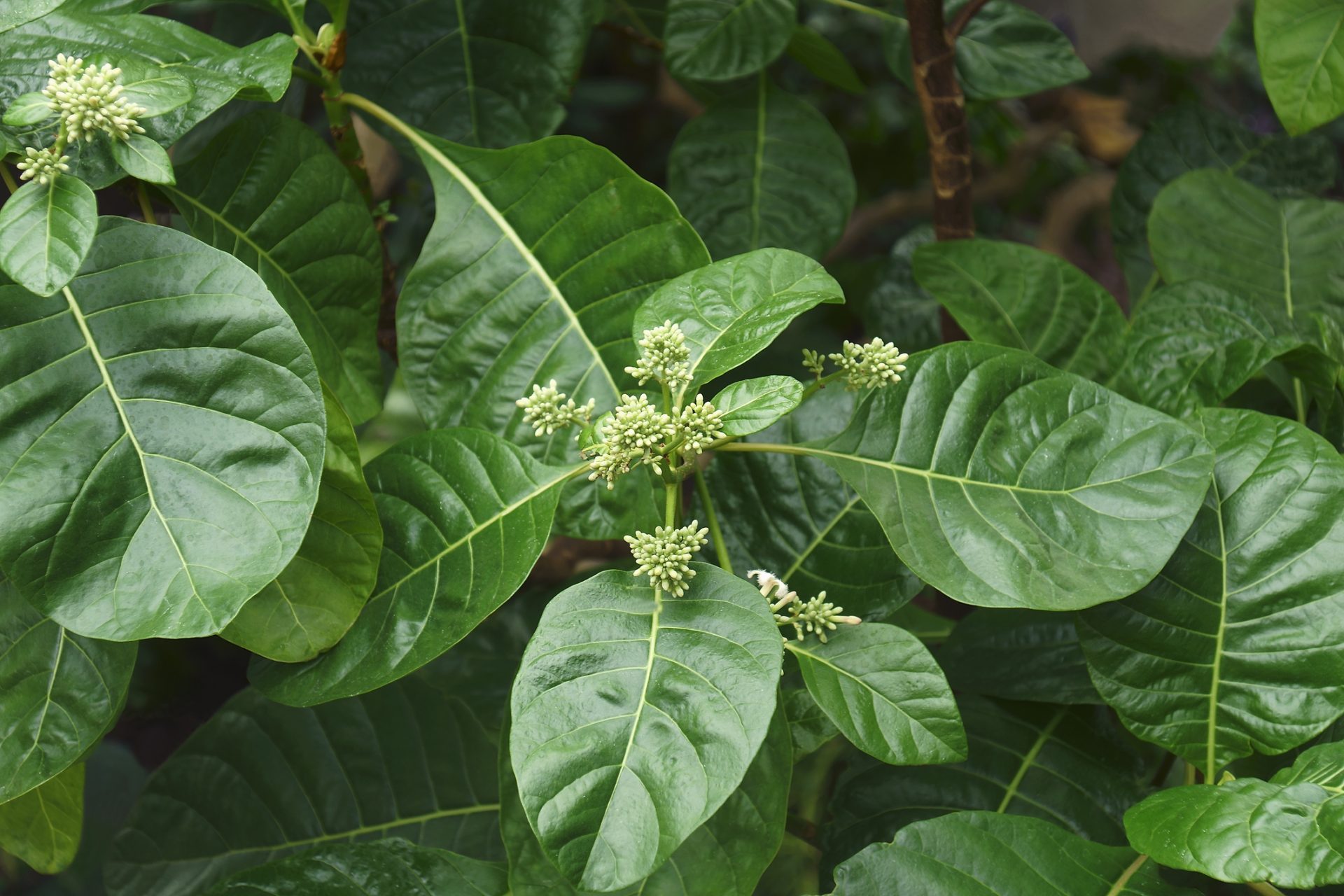
Cinchona plants

image Source : openaccessgovernment

The Cinchona plant, a small evergreen tree native to the Andean forests of South America, holds a remarkable place in the history of medicine. Belonging to the Rubiaceae family, Cinchona is best known as the natural source of quinine, a compound that has saved countless lives from the deadly grip of malaria.

Origins and Discovery

The genus Cinchona was named in honor of the Countess of Chinchón, wife of a Spanish viceroy in Peru, who was reportedly cured of malaria in the 1630s using bark from the Cinchona tree. European colonizers soon recognized the value of the plant, and its bark—often referred to as “Jesuit’s bark” or “fever tree bark”—became a precious commodity exported around the world.

Medicinal Importance

The most valuable component extracted from the Cinchona bark is quinine, an alkaloid with antimalarial properties. Before synthetic drugs were developed, quinine was the primary treatment for malaria. Even today, in severe or drug-resistant cases, quinine remains a vital tool in the fight against this life-threatening disease.

Apart from quinine, other alkaloids such as quinidine, cinchonine, and cinchonidine are also derived from the plant, each with its own pharmaceutical uses, including treatment for cardiac arrhythmias and muscle cramps.

Cultivation and Global Spread

Though native to Peru, Ecuador, Colombia, and Bolivia, Cinchona trees were later cultivated in other parts of the world, particularly in tropical Asia and Africa. The Dutch, British, and French colonial powers established Cinchona plantations in Java, India, and Africa to secure a steady supply of quinine during the 19th and 20th centuries.

Conservation Concerns

Overharvesting and habitat destruction have endangered some native species of Cinchona. Sustainable cultivation practices and conservation programs are essential to protect these valuable trees and preserve their genetic diversity for future medicinal use.

Modern Relevance

In an era of increasing antibiotic resistance and emerging tropical diseases, Cinchona continues to hold relevance in medical research. Scientists are exploring its potential in combination therapies and as a blueprint for synthetic drugs.

Conclusion

Cinchona plants are more than just botanical wonders—they are symbols of how nature can offer powerful solutions to human health challenges. From ancient remedies to modern pharmacology, the legacy of Cinchona reminds us of the enduring bond between nature and medicine.

Click here to receive your free copy of the eLanka Newsletter twice a week delivered directly to your inbox!
TAGGED:Cinchona bark malaria treatmentCinchona plantCinchona tree medicinal usesQuinine from CinchonaWhat is Cinchona used for
Share This Article
Facebook Whatsapp Whatsapp LinkedIn Email Copy Link Print
Previous Article Madu River Discover the Tranquil Beauty of Madu River (Maadu Ganga), Sri Lanka – By Malsha – eLanka
Next Article Fabaceae (the bean family) The Rain Tree: A Majestic Giant of Sri Lanka’s Landscapes – By Bhanuka – eLanka
FacebookLike
YoutubeSubscribe
LinkedInFollow
Most Read
10 Pictures With Fascinating Stories Behind Them!

“A PICTURE SPEAKS A 1000 WORDS” – By Des Kelly

Look past your thoughts so you may drink the pure nectar of this moment

A Life Hack for when we’re Burnt Out & Broken Down – By Uma Panch

Narration of the History of our Proud Ancestral (Orang Jawa) Heritage. by Noor R. Rahim

eLanka Weddings

eLanka Marriage Proposals

Noel News

Noel News

Noel News

Noel News- By Noel Whittaker

Appreciation: Eileen Mary Sibelle De Silva

K.K.S. Cement Factory

Dr.Harold Gunatillake’s 90th Birthday party

Sri Lanka's women's cricket squad in Melbourne

Cricket: Sri Lanka’s women’s squad in Melbourne

- Advertisement -
Ad image
Related News
Bravo – Sri Lanka Association of NSW 04
Articles Dr Harold Gunatillake

Bravo – Sri Lanka Association of NSW: Celebrating Excellence, Community, and National Pride-by Harold Gunatillake

Articles

Sinhala and Tamil New Year 2026 Nakath – By DR STANLEY DHARMAKUMARA

Sinhala and Tamil New Year
Articles

2026 Sinhala and Tamil New Year Auspicious Times – Sydney, Australia

O How I Love Jesus 02
Articles Charles Schokman

SUNDAY CHOICE-by Charles Schokman

Articles

Newsletter of Hindu Council of Australia

  • Quick Links:
  • Articles
  • DESMOND KELLY
  • Dr Harold Gunatillake
  • English Videos
  • Sri Lanka
  • Sinhala Videos
  • eLanka Newsletters
  • Obituaries
  • Sunil Thenabadu
  • Dr. Harold Gunatillake
  • Tamil Videos
  • Sinhala Movies
  • Trevine Rodrigo
  • Photos
  • eLanka Newsletter

eLanka

Your Trusted Source for News & Community Stories: Stay connected with reliable updates, inspiring features, and breaking news. From politics and technology to culture, lifestyle, and events, eLanka brings you stories that matter — keeping you informed, engaged, and connected 24/7.
Kerrie road, Oatlands , NSW 2117 , Australia.
Email : info@eLanka.com.au / rasangivjes@gmail.com.
WhatsApp : +61402905275 / +94775882546
  • About eLanka
  • Terms & Conditions

Disclaimer:
eLanka is committed to sharing positive and community-focused stories. We do not publish or endorse political, religious, or ethnic viewpoints. The content published on eLanka, including articles and newsletters, reflects the opinions and views of the respective authors and not those of eLanka. eLanka accepts no responsibility or liability for the accuracy, completeness, or consequences of any content provided by contributors.

(c) 2005 – 2025 eLanka Pty Ltd. All Rights Reserved.