Colombo 2026: Why Everyone Is Talking About Sri Lanka’s Capital – By Malsha – eLanka
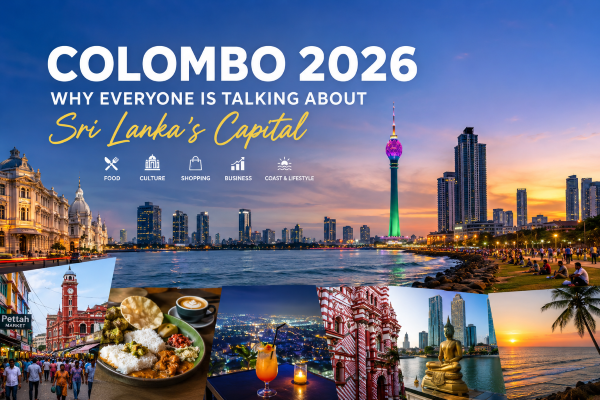
Colombo is having a moment. In 2026, Sri Lanka’s capital is increasingly attracting attention from international travellers, investors, entrepreneurs, food lovers and members of the global Sri Lankan community. Once viewed mainly as a gateway to the island’s beaches, mountains and ancient heritage sites, Colombo is now emerging as a destination in its own right — a city where history, culture, business, entertainment and modern urban life come together.
The transformation is easy to see. New hotels, restaurants, cafés, shopping destinations, entertainment venues and lifestyle developments continue to reshape the city, while its historic neighbourhoods retain the character that makes Colombo distinctly Sri Lankan.
A City That Blends Old and New
One of Colombo’s greatest strengths is its diversity. Within a relatively compact area, visitors can experience colonial-era architecture, Buddhist temples, Hindu kovils, mosques, churches, traditional markets and modern commercial developments.
Fort remains one of the best places to experience the city’s historic character. Former colonial buildings stand alongside contemporary offices, hotels and restaurants, creating an architectural contrast that reflects Colombo’s evolution.
Nearby Pettah offers an entirely different experience. Its crowded streets, colourful shops, markets and street vendors provide an energetic glimpse into everyday urban life. Meanwhile, areas such as Cinnamon Gardens and Colombo 07 offer a more refined atmosphere, with tree-lined streets, galleries, restaurants, embassies and cultural institutions.
This ability to move between different worlds within a short distance is part of Colombo’s appeal.
The Colombo Food Scene Is Booming
Food has become one of the biggest reasons to explore Colombo.
Sri Lankan cuisine has long been famous for its bold flavours, spices and regional diversity, but Colombo’s culinary scene is becoming increasingly sophisticated. Traditional rice and curry restaurants, street-food vendors and family-run eateries now exist alongside modern cafés, international restaurants and innovative dining concepts.
Visitors can enjoy everything from hoppers, kottu and string hoppers to seafood, contemporary Sri Lankan cuisine and international dishes.
The city’s café culture has also expanded considerably. Coffee shops and lifestyle cafés have become popular meeting places for young professionals, travellers, creatives and entrepreneurs.
For international visitors, Colombo offers something particularly valuable: an opportunity to discover authentic Sri Lankan food while also enjoying a modern urban dining experience.
Colombo After Dark
Another reason the city is attracting attention is its growing entertainment scene.
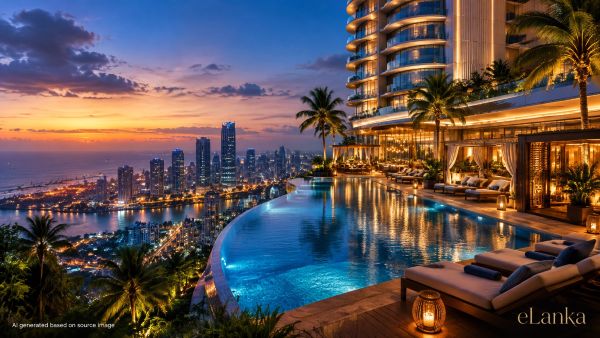
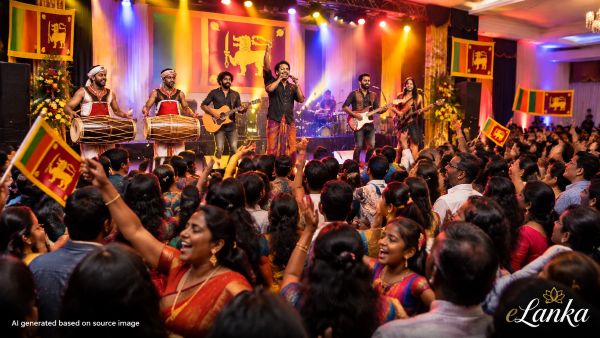
Rooftop restaurants and lounges provide views across the Colombo skyline, while live music, cultural performances, exhibitions and special events contribute to an increasingly vibrant nightlife and entertainment calendar.
The Colombo Lotus Tower has become one of the city’s most recognisable modern landmarks. Rising above the urban landscape, it has added a distinctive element to the skyline and has become a popular attraction for both locals and visitors.
At the same time, venues around the city continue to host concerts, festivals, exhibitions and community events, giving Colombo an increasingly dynamic cultural identity.
A Growing Business and Investment Hub
Colombo’s importance extends far beyond tourism.
As Sri Lanka continues its economic recovery and reforms, the capital remains at the centre of the country’s commercial activity. It is home to major banks, corporate headquarters, government institutions, professional services firms and a growing technology and startup community.
The Colombo Port also reinforces the city’s strategic importance. Located along major Indian Ocean shipping routes, Colombo has long been an important maritime centre and continues to play a significant role in Sri Lanka’s ambitions to strengthen its position as a regional logistics and trade hub.
Improving digital infrastructure and growing interest in entrepreneurship are also creating opportunities for technology companies and innovative businesses.
For investors and members of the Sri Lankan diaspora, Colombo increasingly represents not simply the administrative capital of the country, but a potential gateway to wider South Asian opportunities.
A New Generation of Travellers
Colombo is also benefiting from changing travel trends.
Modern travellers increasingly want experiences rather than simply sightseeing. They want to discover local food, meet people, experience culture and understand the character of a city.
Colombo is well suited to this trend.
A visitor can begin the morning with a traditional Sri Lankan breakfast, explore a historic neighbourhood, visit a temple or museum, enjoy lunch overlooking the Indian Ocean, shop for local products in the afternoon and finish the evening at a rooftop venue.
The city can also serve as an excellent starting point for exploring the rest of Sri Lanka. Popular destinations such as Galle, Kandy, Sigiriya and Yala can be reached from Colombo as part of longer itineraries.
The Indian Ocean Adds Another Dimension
Few capital cities can combine urban life with such immediate access to the sea.
Colombo’s coastline is central to its identity. Galle Face Green remains one of the city’s most popular public spaces, particularly around sunset, when families, tourists and young people gather to enjoy the ocean breeze and spectacular views.
The city’s coastal location also supports a growing selection of hotels, restaurants and leisure experiences.
For visitors arriving from Australia, the United Kingdom and other overseas markets, this combination of city life and tropical surroundings makes Colombo particularly attractive.
A City Finding Its Identity
Perhaps the most interesting thing about Colombo in 2026 is that the city is not trying to become another global capital.
Instead, its appeal comes from becoming more confidently itself.
Colombo is modern without losing its traditions. It is increasingly international while remaining unmistakably Sri Lankan. Its streets carry traces of Portuguese, Dutch and British history, while its food, festivals, religions, languages and contemporary culture reflect the diverse identity of modern Sri Lanka.
That combination gives the capital a personality that is difficult to replicate.
Why Colombo Matters in 2026
The growing attention surrounding Colombo reflects a broader transformation taking place across Sri Lanka. As tourism expands, investment confidence develops and the country continues rebuilding its international economic profile, the capital is becoming one of the most important showcases of this new chapter.
For tourists, Colombo offers culture, cuisine, history, shopping and entertainment. For investors, it offers commercial opportunities and connectivity. For the Sri Lankan diaspora, it provides a rapidly changing connection to home.
And for first-time visitors, Colombo may deliver the biggest surprise of all: the journey through Sri Lanka does not necessarily begin when you leave the capital.
Increasingly, Colombo itself is the destination.
At eLanka, we respect the rights of creators. If we have used an image you own and you’d like it removed, please email us at info@elanka.com.au and we’ll handle it promptly.
Thanks.
eLanka teamnbsp;