




How AI Technology Can Predict Weather and Give Early Disaster Warnings to Save Lives – By Bhanuka – eLanka
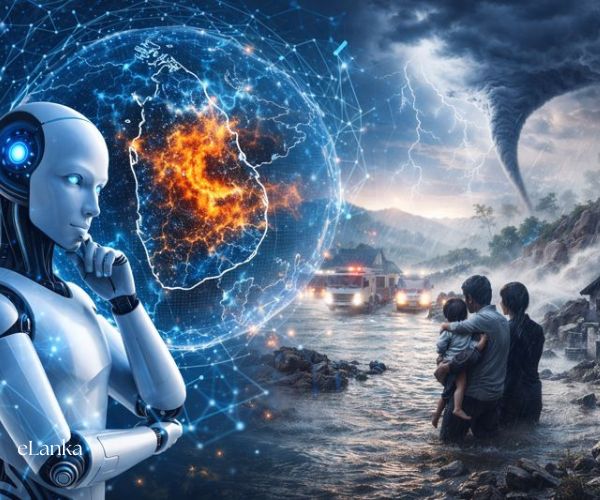
Extreme weather events such as floods, cyclones, landslides, droughts, and heatwaves are becoming more frequent due to climate change. Many lives and properties are lost simply because people do not receive early and accurate warnings. Today, Artificial Intelligence (AI) offers a powerful solution by helping countries calculate weather patterns accurately and warn people before disasters happen.
This article explains, in simple terms, how AI technology is used to calculate weather, predict disasters early, and protect people, and why public support for AI-based weather systems is essential.
Why Traditional Weather Forecasting Is Not Enough
Traditional weather forecasting relies heavily on manual analysis and fixed computer models. While useful, these systems:
- Take more time to process data
- Struggle with sudden weather changes
- Are less accurate for localized predictions
In emergency situations, even a few hours of delay can cost lives. This is where AI makes a life-saving difference.
How AI Calculates Weather Patterns
AI-powered weather systems work by combining massive data processing with machine learning.
Step 1: Collecting Large-Scale Weather Data
AI gathers data continuously from:
- Weather satellites
- Radar systems
- Ground weather stations
- Ocean sensors and buoys
- Historical climate records
This creates a real-time picture of atmospheric conditions across the country.
Step 2: Learning from Past Weather Events
Using machine learning, AI studies:
- Past floods
- Cyclones and storm paths
- Rainfall and drought cycles
- Temperature and wind behavior
The system learns patterns that humans cannot easily detect. Over time, AI becomes smarter and more accurate.
Step 3: Predicting Weather Changes in Advance
Once trained, AI can:
- Predict heavy rainfall hours or days ahead
- Detect early cyclone formation
- Forecast heatwaves and dry spells
- Estimate flood risk in specific areas
This allows meteorological departments to calculate weather risks early, not just report current conditions.
How AI Helps Give Early Disaster Warnings
AI plays a critical role in early disaster alert systems.
By continuously analyzing live data, AI can recognize danger signs and automatically trigger alerts for:
- Floods
- Landslides
- Cyclones
- Storm surges
- Extreme heat
These warnings can be sent before the disaster hits, giving people time to act.
How Early Warnings Save Lives
When people receive early warnings:
- Families can evacuate safely
- Fishermen can avoid dangerous seas
- Farmers can protect crops and livestock
- Emergency services can prepare in advance
Even 6–12 hours of early warning can dramatically reduce loss of life and damage.
Reaching People Through AI-Powered Alerts
AI ensures weather and disaster warnings reach people quickly through:
- Mobile phone SMS alerts
- Mobile apps
- TV and radio broadcasts
- Social media platforms
- Community alert systems
AI can also customize alerts by location, so people receive information relevant to their area only.
Supporting Farmers and Rural Communities
In many countries, rural communities are the most affected by weather disasters.
AI-based weather systems help farmers by providing:
- Rainfall predictions
- Drought alerts
- Pest and disease risk warnings
- Crop planning advice
This improves food security and protects livelihoods.
Why Public Support Is Important
For AI-based weather systems to succeed, public support is essential.
Support helps governments to:
- Invest in AI technology
- Improve weather data collection
- Expand early warning networks
- Educate people on how to respond to alerts
When people trust and support these systems, warnings are taken seriously and lives are saved.
Challenges That Need Support
AI weather systems require:
- Funding and infrastructure
- Skilled professionals
- Reliable data sources
- Public awareness
By supporting AI-driven weather forecasting, communities invest in long-term safety and resilience.
Conclusion: AI as a Life-Saving Technology
AI technology is not just about innovation—it is about saving human lives. By accurately calculating weather patterns and providing early disaster warnings, AI helps countries prepare, respond, and recover more effectively.
Public understanding and support for AI-based weather systems can transform disaster management and protect future generations. Supporting this technology means supporting safety, resilience, and hope.