News & Community eLanka

eLanka

Thursday, 15 Oct 2026
  • Home
  • Read History
  • Articles
    • eLanka Journalists
  • Events
  • Useful links
    • Obituaries
    • Seeking to Contact
    • eLanka Newsletters
    • Weekly Events and Advertisements
    • eLanka Testimonials
    • Sri Lanka Newspapers
    • Sri Lanka TV LIVE
    • Sri Lanka Radio
    • eLanka Recepies
  • Gallery
  • Contact
Newsletter
Sri lankan news
  • eLanka Weddings
  • Property
  • eLanka Shop
  • Business Directory
eLankaeLanka
Font ResizerAa
Search
  • Home
  • Read History
  • Articles
    • eLanka Journalists
  • Events
  • Useful links
    • Obituaries
    • Seeking to Contact
    • eLanka Newsletters
    • Weekly Events and Advertisements
    • eLanka Testimonials
    • Sri Lanka Newspapers
    • Sri Lanka TV LIVE
    • Sri Lanka Radio
    • eLanka Recepies
  • Gallery
  • Contact
Follow US
© 2005 – 2026 eLanka Pty Ltd. All Rights Reserved.
Home » Goodnews Stories Srilankan Expats » Articles » How I made good in Australia, some reminiscences – By Dr Harold Gunatillake
ArticlesDr Harold Gunatillake

How I made good in Australia, some reminiscences – By Dr Harold Gunatillake
eLanka admin
Last updated: July 18, 2022 4:39 am
By
eLanka admin
ByeLanka admin
Follow:
Share
19 Min Read
SHARE
Views: 104

How I made good in Australia, some reminiscences – By Dr Harold Gunatillake

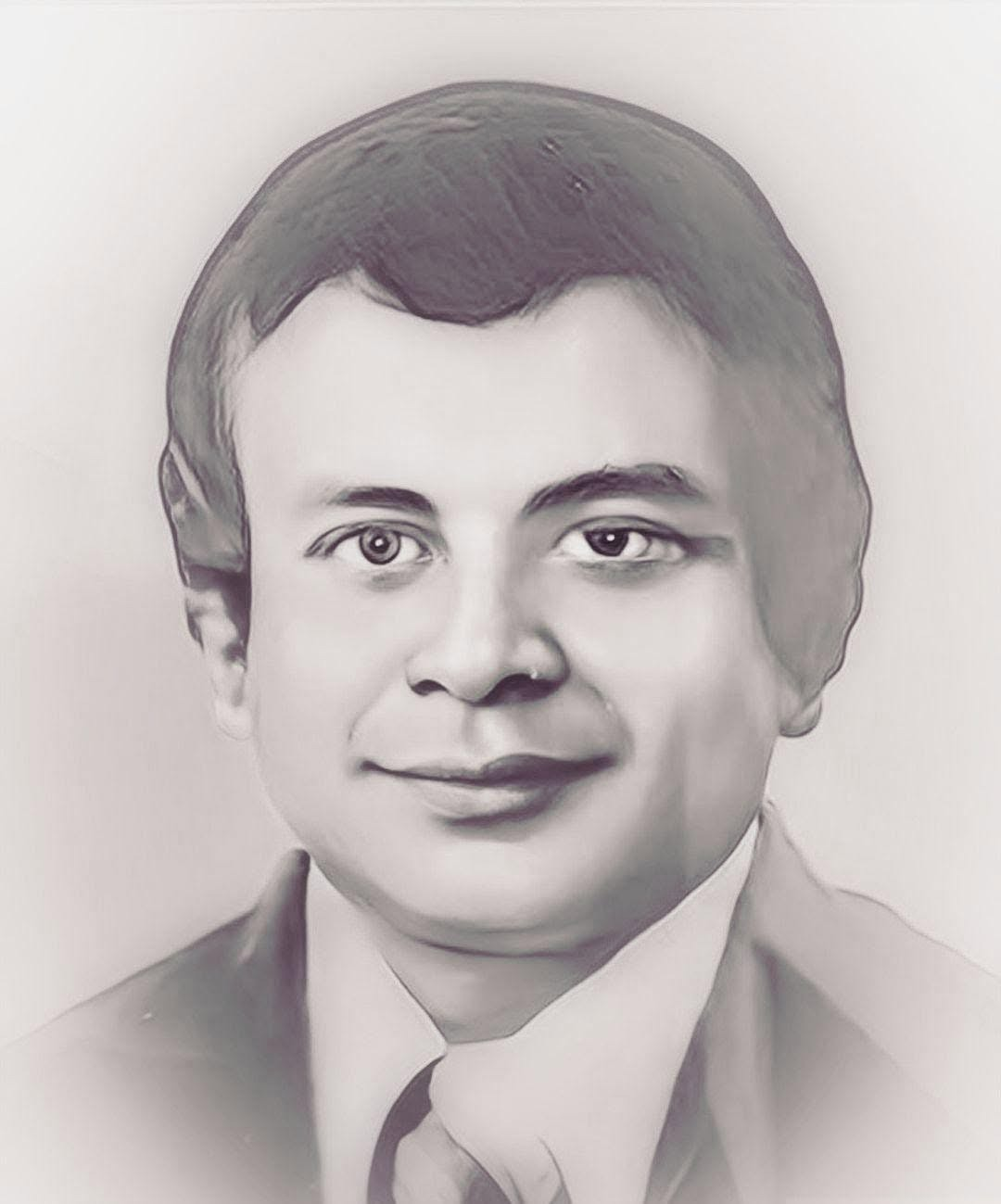
Harold-Gunethilake

How I made good in Australia, some reminiscences - By  Dr. Harold Gunatillake
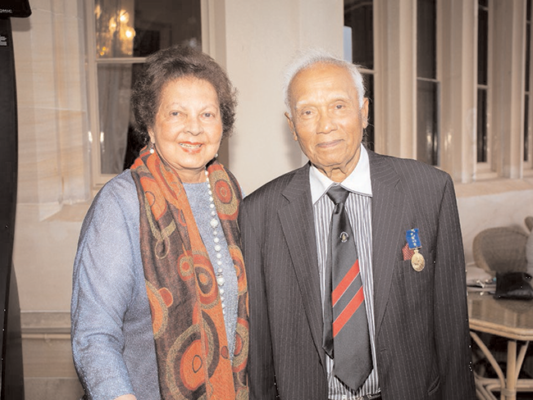
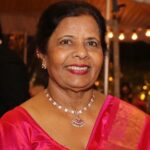
At the Government House party after receiving the award- May 12th 2022


Written by Dr Harold Gunatillake OAM FRCS,FIACS,FICS,AM(Sing), MBBS(Cey)

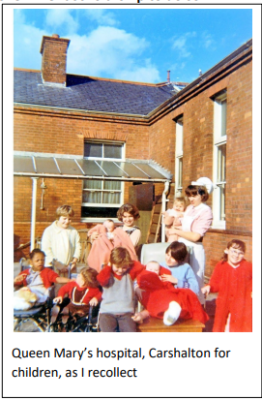
In 1969, I returned to the island with my fellowship degree and much training with one of the famous surgeons in London, Mr Norman Tanner, and as Senior registrar at Queen Mary’s Hospital Orthopaedics.

I still recollect the interview for the selection of Senior Orthopedic Registrar at Queen Mary’s, sitting in front of a panel of professionals and administrators, and over 50 doctors sitting in the waiting room waiting for their interview for a single position, many locally qualified Britons. I was asked, “Mr Gun, what are your plans coming from Ceylon seeking positions in hospitals in the UK?”

My prompt reply was that I have been sent to the UK for specialised training to obtain the fellowship degree, return to Ceylon, and spread the ‘Gospel of the training obtained’ to serve my people. Further, I have been sent on a government scholarship to do so.
How I made good in Australia, some reminiscences - By Dr Harold GunatillakeAmong many other eligible candidates, I was selected for the position, mainly Britons.

My dream then was to return and serve my people and aspire to be a top surgeon, hopefully following my gurus’ footsteps like Dr Anthonis and Dr Gunewardene, visiting Surgeons at Colombo Hospitals.

After returning from the UK, I served as Resident Surgeon in the Accident service, Colombo, followed by a short period as locum Surgeon in Kandy and then transferred to Badulla Provincial Hospital as General Surgeon in 1970.

Something unique at the time I served as a Surgeon in Kandy was that when you are on call, the hospital sends the ambulance to your residence and drops you back at your home after attending the surgical emergency.

That system does not exist today after the invention of mobile telephones. 1971 Revolt (Insurrection)

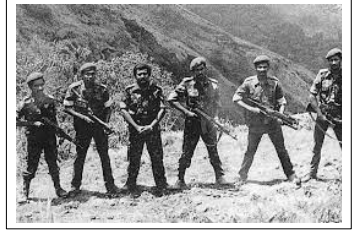
In 1971, if I recollect Janatha Vimukthi Peramuna (JVP) insurrection (also known as the 1971 Revolt) against the socialist United Front Government of Sri Lanka (then Ceylon) under Prime Minister Sirimavo Bandaranaike began.

The decision taken by the nine senior members of the JVP when they met at the Sangaramaya Temple of the Vidyodaya University on April 2, 1971, was to capture State power by attacking all the police stations in the country on the night of April 5, 1971.”– “Rohan Gunaratna: Sri Lanka: A Lost Revolution? The Inside Story of the JVP” One Sunday morning, people with many gunshot injuries were brought to Badulla General Hospital, and I spent a whole day in the operating theatre attending to the casualties. It was like a war zone. Some seriously head-injured patients were dispatched to General Hospital in Colombo.
How I made good in Australia, some reminiscences - By Dr Harold GunatillakeDuring this grey period, the hospitals were short of most disposable items, including antibiotics like penicillin and saline transfusions, among other essentials.

Our wives had to queue up to purchase clothes from the CWE corporative shops. Even for the essential provisions, there were long queues at the CWE. Even there were bread queues at a later period.

Private practice after hours was banned, and we were given Rs 500 per month as a nonpensionable allowance.
Life became hard, and I felt gloomy about the future, and the decision was made to leave the country for better pastures.

Period of Brain drain.

I was offered a senior surgical registrar’s position in the main General Hospital in Singapore. Dr N.M.Perera was the minister of finance during this period.
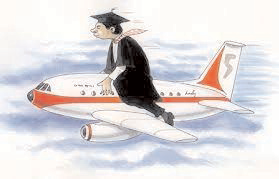
How I made good in Australia, some reminiscences - By  Dr. Harold GunatillakeHe stopped giving foreign exchange to anyone leaving the country to stop the ‘brain drain’ during that grey period in Ceylon.

I resigned from government service and left for Singapore with my family; I had no money in my pocket. Still, we were lucky that Prof Kanaks Anatomy professor in the teaching Hospital in Singapore, our one-time senior lecturer in Anatomy in Colombo Medical Faculty, was there to receive us at the airport and welcome us.

After serving for three years as Senior surgical registrar in Outram Road General Hospital, we decided to settle down in Australia. One vivid incident must be mentioned for my readers, a most unique and exciting episode. As Senior Registrars, we get a date monthly to perform minor surgery under local anaesthesia on outdoor patients.

On one of my days on duty, there was a shortage of trolley boys. They are young boys who arrive from Malaysia to earn some pocket money.

As there were very few trolley boys on duty, I walked to the outpatient department, placed the patient on the trolley, wheeled him to the operating theatre, and wheeled him back after the minor surgery to the outpatient department and wished him good luck.

The next day, it was highlighted in the Straight Times newspaper that an Indian Trolley boy had operated on a Chinese patient.

The high-ups in the department of health in Singapore were shocked and disturbed. After making inquiries, the hospital’s medical superintendent pinpointed that I had done the operation on this patient. I was called to the office. To my surprise, there were many officials from the department of health, and I realised that I was in trouble.

I explained the situation and the circumstances, and their faces changed, and they thanked me.

Our migration to the ‘Lucky Country.’

We were passed to come to Australia, and in February 1975, we settled in the suburb Jannali in New South Wales.

The reason how we settled down in Jannali, purely and mainly in a white Australian suburb, was interesting, as it was a racially insulated white society, passed through an act of 1901 in Australian history, which stated that fundamental legislation of the new Commonwealth of Australia that effectively stopped all non-European immigration into the country and that contributed to the development of a racially insulated white society.

Mr Bates, the ex-Mayor of the Sutherland shire, was holidaying in Singapore with his partner. His travel guide was known to me, and when his partner had a medical emergency, the guide contacted me, and I promptly attended to the need. Then, we hosted them for lunch in a nearby restaurant, the usual tradition in Singapore to entertain visitors. Mr Bates was so happy and asked me what he could do for me. I said we had been passed to come to Australia and hopefully prepare ourselves for the change. He said, “please let him know if you are coming to Sydney”.

He kept the promise, and as we landed at the Sydney airport, he was waiting for us in his limousine. We were taken to Jannali, where his office apartment was in his arcade, ‘ Bates Archade’. He introduced me to the bank manager and other important officials in Jannali, and our settling in was smooth and comfortable.

My following itinerary was to find a surgical job in a hospital. The same week, I made an appointment with the medical superintendent of Sutherland hospital, three railway stations from Jannali. I was interviewed and was lucky to start work the following week as the surgical registrar to two Surgeons.

It was easy then to find a position without further local training, with a British qualification. The United Kingdom provides the largest source of overseas doctors or International Medical Graduates (IMGs) working in Australia. Of course, no doctor coming from another country, including Sri Lanka, is guaranteed to be able to work in Australia.

I was privileged to get jobs in this hospital when Sri Lankan surgeons visited Australia for long-term holidays. At that time, we were registered as specialist surgeons with the right to private practice.

Sutherland Hospital staff was friendly, and my working there was most pleasant. My two bosses loved me.

I must now relate a story of my experience working in that hospital. An affluent lady was admitted with a popliteal aneurysm for surgery. Popliteal means the backside of the knee, and the aneurysm is a bulge arising from the main artery at the back of the knee. This appears as a pulsating bulge and needs early surgery.

In the seventies, we had no vascular surgeons, and general surgeons did such specialised work as a side interest.

One of my bosses got the retired professor of Surgery from Sydney Hospital in the CBD to perform surgery on this lady.

It was fixed on a Sunday morning. My boss requested I assist this professor, and I was introduced to the professor as the best registrar to help in the operation. The professor did not look at me when my boss made that compliment; then, I realised he might not like ‘Indian-looking’ guys.

We scrubbed together, meaning washing hands before the procedure, but no word from him. I confidently assisted him in the surgical procedure- no word came out from him during the operation.

At the end of the procedure, I could impress upon him whether he would take an essential step in the last bite of the stitching in the closure of the operating cut in the opened blood vessel.

In vascular surgery, before you take the last bite to close the cut, the distal clamp must be removed for the blood to gush through the wound to prevent air from getting into the vessel. Such air bubbles entering a blood vessel can travel towards the lungs and lead to an imminent death from air embolism.

I waited for that moment, and as though likewise, he was attempting to close the last stitch without releasing the distal clamp in the vessel.

I got my chance and shouted, “Sir, may I release this clamp”. He looked at me for the first time and nodded.

After the operation, while leaving the operating theatre, this racist professor put his arm around my shoulder and politely asked, “tell me who you are?”

We sat in the lounge and became the best of friends, and one piece of advice the professor gave me was not to waste time as a registrar and get into the private practice field and make your money.

I accepted his advice and got a position in a private practice group in the suburb of Cabramatta, occupied by primarily European migrants. I did my surgery in Fairfield Heights private Hospital, and everything was smooth, and the staff was most cooperative.

Three months later, one of the staff nurses in that private hospital came to consult me professionally. She said while conversing that she was the one who was there on the first day of operations in the theatre to check whether I could operate, sent by the hospital’s matron.

A great opportunity I enjoyed in Australia was that we could go for conferences overseas and claim a tax deduction for ourselves and our partners. In Sri Lanka, that is once a lifetime event.

I used that opportunity by attending Cosmetic surgery conferences in various parts of the world and workshops on cosmetic procedures in Paris, Rome, and London.

I developed my technique of operative procedure for an operation called ‘Abdominoplasty’ to remove excess fat and skin from the flap that hangs like an apron in your abdominal wall.

This technique was named after my name, “Gunatillake technique of abdominoplasty”, and I had the opportunity of describing this procedure at many conferences in cities like Paris, Rome, Florida, Los Angeles, Japan, Peru and Bangkok.

I was the first cosmetic surgeon who performed liposuction- a procedure to suck fat out from redundant areas of your body. My first patient was Mrs Elliot, and I remember my anaesthetist asking me whether I was performing jungle surgery.

During the past 20 years, I have engaged in writing health articles and publishing a health newsletter named “Health & Views”. I have produced over 75 YouTubes on various topics, such as health, Sri Lankan historical events, and the present crisis in Sri Lanka. I have written over 400 health articles you can view most of them on my website: www.Doctorharold.com.

I have written health articles for Sunday Leader and before Sunday Island. Of course, Sunder Leader is defunct now.

I have engaged in Community activities among the ex-pat Sri Lankan community in Australia, mainly in my state-New, South Wales (NSW). I was the president of the Sri Lankan Association of NSW for two consecutive years-1997 and 1998. I was the first treasurer of the Sinhalese Cultural Forum. I have been engaged in giving public talks to our community on health topics and showing my videos on the LTTE war and the historical sites of Sri Lanka.

I am happy that I ended up in Australia as the healthcare system is high quality, timely and affordable at every stage of my life. It is a very safe and stable country to live in, with a friendly, relaxed culture that makes it easier to achieve a comfortable lifestyle.

It is a multicultural society and no more a whites-only country. Aboriginal people are well recognised and honoured as the country’s first people. Their cultures, religions, and traditions are well respected, and they now participate in the celebrations on Australia Day on the 26th of January each year.

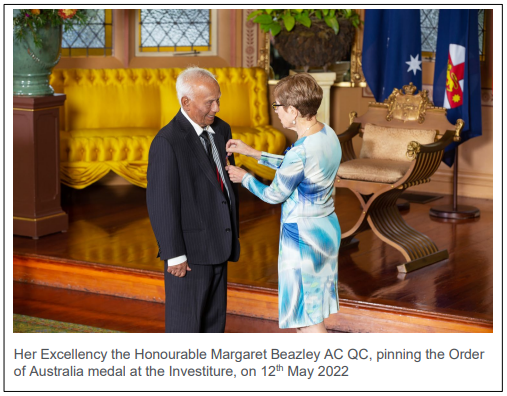
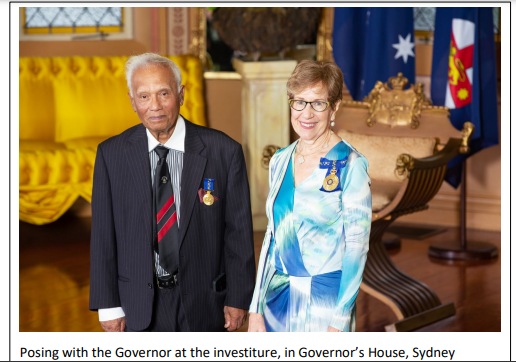
I received an ‘Order of Australia Medal. The award for medicine and community services to the Sri Lankan people is an excellent example of how foreign people are recognised for their achievements in this country.
How I made good in Australia, some reminiscences - By Dr Harold Gunatillake

How I made good in Australia, some reminiscences - By Dr Harold Gunatillake

It is a country of opportunities for young people, whether locals or migrant youth and an open government with an ever-growing economy.

I want to say to those young people who wish to leave Sri Lanka for a better life and higher education that they must think of Australia as the destination for their dreams of improving their future.


About the author: Dr Harold Gunatillake, Health Editor, is a Member of the Academy of Medicine, Singapore. Member of the Australian Association of Cosmetic Surgery. Fellow of the Royal College of Surgeons (UK), Corresponding Fellow of the American Academy of Cosmetic Surgery. Member of the International Societies of Cosmetic Surgery, Fellow of the International College of Surgery (US).

Australian diplomat for the International Society of Plastic, Aesthetic & Reconstructive Surgery. Board Member of the International Society of Aesthetic Surgery. Member of the American Academy of Aesthetic & Restorative Surgery. Life Member of the College of Surgeons, Sri Lanka. Bachelor of Medicine & Bachelor of Surgery (Cey). Government scholar for higher studies in the UK.

(This article is prepared as requested for the 75th Annual Celebration magazine of the Sri Lanka High Commission in Canberra, Australia)

TAGGED:AustraliaGeneral Hospital in SingaporeJanatha Vimukthi PeramunaQueen Mary’s Hospital
Share This Article
Facebook Whatsapp Whatsapp LinkedIn Email Copy Link Print
Previous Article Academics & its' Resulting Experiences - By Noor Rahim Academics & its’ Resulting Experiences – By Noor Rahim
Next Article Tribute to Felicia Goonetilleke - By Clifford and Delande Lazarus Tribute to Felicia Goonetilleke – By Clifford and Delande Lazarus
FacebookLike
YoutubeSubscribe
LinkedInFollow
- Advertisement -
eLankaproperty - sell property in Sri Lanka, Sri Lanka property for sale, Sri Lanka real estate, Sri Lanka property listings, property marketplace Sri Lanka, land for sale Sri Lanka, houses for sale Sri Lanka, apartments for sale Sri Lanka, commercial property Sri Lanka, luxury villas Sri Lanka, Sri Lankan property investment, buy property in Sri Lanka, Colombo property for sale, beachfront property Sri Lanka, development land Sri Lanka, investment property Sri Lanka, property advertising Sri Lanka, real estate agents Sri Lanka, property brokers Sri Lanka, overseas Sri Lankan property buyers, Sri Lanka property website, list property online Sri Lanka, affordable property listings Sri Lanka, Sri Lanka homes for sale, Sri Lanka land investment, property developers Sri Lanka, real estate marketplace Sri Lanka, Sri Lanka commercial real estate, sell land in Sri Lanka, sell house in Sri Lanka, Sri Lanka property portal, global property marketplace Sri Lanka, Sri Lankan real estate investment, property management Sri Lanka, buy land Sri Lanka, residential property Sri Lanka, holiday homes Sri Lanka, Sri Lanka investment opportunities, real estate advertising Sri Lanka, eLankaProperty
- Advertisement -
ALTAIR
- Advertisement -
Ad image
eLanka Wedding
Most Read
Liverpool city Council

Liverpool faces $1.8 million funding cut as city grows

What Everyone with Diabetes Should Know-eLanka

What Everyone with Diabetes Should Know: The Truth-by Harold Gunatillake

Ashoka Colombage

Ashoka Colombage-by Gamini Kariyawasam

Digampathana-The Day the Navy Was Shattered – Sri Lanka Guardian

Digampathana: The Day the Navy Was Shattered – Sri Lanka Guardian-by Ravindra C Wijegunaratne

Shemara Wikramanayake: Sri Lankan Roots to Macquarie CEO

Shemara Wikramanayake: From Sri Lankan Beginnings to Leading Macquarie Group on the Global Stage

Related News
Navi Pillay Honoured
Articles

Navi Pillay Honoured: A Legacy of Peace, Justice and Human Rights

Sandika Hemakumari
Articles

Sandika Hemakumari to Captain Sri Lanka’s Women’s Sevens Squad at the Colombo Leg of the Asia Rugby Sevens Series

Sri Lankan junior tennis players
Articles

Three Sri Lankan Girls Reach the ATF Under-16 Quarter-Finals in Colombo

Otherland Galle Opens on Sri Lanka’s Southern Coast With a Locally Built Approach to Hospitality AI-generated illustration based on source material. No authentic photograph of the Otherland Galle property is embedded in this article. Otherland Hotels opened its first property, Otherland Galle, on 12 October 2026, introducing a 66-key lifestyle hotel that brings together accommodation, dining, music and locally curated experiences on Sri Lanka’s southern coast. The opening adds a new hospitality concept to a region known for its beaches, historic Galle Fort and established surf culture, with the hotel’s programme designed to encourage visitors to engage with the wider destination as well as the property. Located on Matara Road, Otherland Galle is approximately 400 metres from Dewata Beach and 2.8 kilometres from Galle Fort, the UNESCO World Heritage Site. The hotel draws on the area’s culinary traditions, creative communities and coastal way of life, positioning local experiences as a central part of its offer rather than an optional addition to a conventional hotel stay. Founded by Rishi Sreedharan, Samarth Gowda and Emanuel Siddhartha in partnership with Beryll Group, Otherland Hotels is built around the philosophy “Never the Same Twice”. Its approach combines private rooms and suites with shared accommodation and communal spaces intended for different kinds of travellers, from couples and groups of friends to solo visitors and culturally curious guests. The co-founders, pictured from left: Emanuel Siddhartha, Rishi Sreedharan and Samarth Gowda. Source photograph: Lanka Business News. A design-led mix of rooms and shared spaces Designed by Studio Camarada, led by Andre Camara, the hotel has been arranged as a series of interconnected spaces rather than a conventional sequence of corridors and separate facilities. Its interiors draw on the colours and materials of the southern coast, including sandy neutrals, ocean blues and earthy tones, alongside rattan, ash, hand-tufted textiles and marble finishes. The 66-key accommodation comprises 24 Ocean Rooms, 25 Terra Rooms, 12 suites and five dormitories. Room sizes range from 27 square metres to the 70-square-metre Patio Suite, while the property also includes rooms designed for guests with disabilities. The mix offers a range of accommodation formats within one property, including shared dormitory options alongside private rooms and suites. At ground level, Bar-kery combines several functions: reception, coffee shop, bakery, aperitivo counter and informal co-working space. Its Vinyl Corner invites guests to browse records and choose music, giving the communal area a more participatory character. Colombo Coffee Company has developed an exclusive signature blend for the hotel. AI-generated illustrative image based on the reported design approach; it is not a photograph of Otherland Galle. The rooftop venue Creatures brings together a restaurant, cocktail bar, infinity pool and music space, with 270-degree views of the Indian Ocean. It is intended to serve as a daytime dining and swimming venue as well as an evening social space, linking the hotel’s food and music programmes with its coastal setting. Sri Lankan flavours, music and a sense of place The food programme is led by Chef Rajeev Kumar and draws on Sri Lankan culinary traditions, alongside international influences and contemporary techniques. Dishes listed for the menu include King Coconut Ceviche, Yellowfin Tuna Tataki, Lankan Fish Cutlets and Devilled Pork Ribs glazed with kithul treacle. A Watalappam Brûlée brings a familiar Sri Lankan dessert into a contemporary format. Arijit Bose leads the cocktail programme, while Aneesha Thapa manages day-to-day operations. Music is another part of the hotel’s identity, with programming across Afro, R&B, folk, funk, jazz fusion, house, techno and electronica. The combination of food, music and shared spaces is intended to make the property relevant to both visitors and people from the surrounding area. Co-founder Samarth Gowda described the approach as one intended to make the hotel feel accessible and personal: > “Otherland Galle should feel like yours from the moment you walk in. Luxury has often come with a sense of distance, with places appearing impressive because they do not feel accessible to everyone. That is not what we are building. Everything here is designed around who you are and how you want to spend your time.” AI-generated illustration of ingredients associated with Sri Lankan culinary traditions; not a photograph of the hotel’s kitchen or menu. The Other Side: experiences created with local communities A key element of the concept is The Other Side, an experiences programme developed in collaboration with local surfers, fishermen, artisans, guides, chefs and musicians. The activities are designed to connect guests with people and places beyond the hotel, while drawing on knowledge and skills already present in the Galle region. The programme includes curry masterclasses, guided walks through Galle Fort and surf lessons at Dewata Beach. Further afield, guests can take whale-watching excursions off Mirissa or kayak through the mangroves of Koggala Lake. Rooftop sunset sessions, arrack tastings, beach cricket and tuk-tuk bar crawls are among the social activities described as part of the offer. This community-led model gives local participants a role in shaping and delivering visitor experiences, rather than presenting the area only as a backdrop for sightseeing. Its longer-term value will depend on how consistently these partnerships are sustained and how directly local contributors benefit from the activity they help create. Co-founder Rishi Sreedharan said: > “At Otherland, curiosity is the operating principle. We measure success by whether guests leave with a real sense of Galle. The surfers, fishermen, chefs and craftspeople who live here have helped build these experiences, and they are the ones bringing them to life.” AI-generated coastal illustration based on the article’s setting; it does not depict a verified view from the property. A new option for visitors to Galle The opening marks the first phase of Otherland Galle’s development. A gym, wellness centre and banquet facilities are planned for a subsequent phase. The property’s initial offer, however, is already structured around more than its room inventory: its communal areas, food and beverage venues, music programme and locally developed activities form a connected hospitality concept. For Sri Lankans abroad planning a visit home, the opening provides another option near Galle, with a programme that brings together coastal recreation, local food, heritage and community knowledge. For the Galle area, the approach places local contributors at the centre of the visitor experience. Whether the model makes a lasting contribution will be measured not only by the facilities it offers, but also by the strength and continuity of those relationships. The launch also reflects a wider interest among culturally curious travellers in experiences that extend beyond accommodation and conventional sightseeing. In Galle, where historic landmarks sit alongside a living coastal culture, the opportunity is to create hospitality that is carefully designed while remaining connected to the people and traditions that give the destination its character. Sources: Lanka Business News; Colombo Times; Hiru News Gold FM; SoulofHospitality. This article was written based on the source https://www.lankabusinessnews.com/otherland-hotels-makes-its-debut-in-galle/ and corroborated by https://colombotimes.net/otherland-hotels-makes-its-debut-in-galle/, https://hirunews.lk/goldfmnews/493932/otherland-galle-opens-with-66-rooms-introduces-dormitories-to-luxury-hotel-mix and https://www.soulofhospitality.com/business/hotel-openings/otherland-hotels-enters-sri-lanka-with-a-new-approach-to-lifestyle-hospitality, kindly email us at info@eLanka.com.au if any information needs to be corrected. Click here to receive your free copy of the eLanka Newsletter twice a week delivered directly to your inbox! At eLanka, we respect the rights of creators. If we have used an image you own and you'd like it removed, please email us at info@elanka.com.au and we’ll handle it promptly. Thanks. eLanka team eLanka Disclaimer Content published on eLanka may be created by the eLanka team, submitted by contributors or third parties, reproduced or adapted from other sources with appropriate source acknowledgement, or provided as promotional/advertising material by our clients. While eLanka takes reasonable care in preparing and publishing content, we do not warrant its completeness or accuracy. Views expressed are those of the respective authors or contributors and do not necessarily represent the views of eLanka. Third-party contributors, content providers and advertisers are responsible for the accuracy of material they supply and for ensuring they hold the necessary rights and permissions for its publication. Advertising and promotional content should not be regarded as an endorsement by eLanka of any product, service or claim.
Articles

Otherland Galle Opens on Sri Lanka’s Southern Coast With a Locally Built Approach to Hospitality

Dilmah SIAL Paris 2026
Articles

Dilmah’s Three Innovations Selected for SIAL Paris 2026 as Company Named a Top Five SIAL For Change Finalist

  • Quick Links:
  • Articles
  • DESMOND KELLY
  • Dr Harold Gunatillake
  • English Videos
  • Sri Lanka
  • Sinhala Videos
  • Obituaries
  • eLanka Newsletters
  • Sunil Thenabadu
  • Trevine Rodrigo
  • Dr. Harold Gunatillake
  • Tamil Videos
  • Sinhala Movies
  • eLanka Newsletter
  • Photos

eLanka

Your Trusted Source for News & Community Stories: Stay connected with reliable updates, inspiring features, and breaking news. From politics and technology to culture, lifestyle, and events, eLanka brings you stories that matter — keeping you informed, engaged, and connected 24/7.
Kerrie road, Oatlands , NSW 2117 , Australia.
Email : info@eLanka.com.au / rasangivjes@gmail.com.
WhatsApp : +61402905275 / +94775882546
  • About eLanka
  • Terms & Conditions

Disclaimer:
eLanka is committed to sharing positive and community-focused stories. We do not publish or endorse political, religious, or ethnic viewpoints. The content published on eLanka, including articles and newsletters, reflects the opinions and views of the respective authors and not those of eLanka. eLanka accepts no responsibility or liability for the accuracy, completeness, or consequences of any content provided by contributors.

(c) 2005 – 2025 eLanka Pty Ltd. All Rights Reserved.