Importing coal of low combustibility quality from an Indian company-by Dr Harold Gunatillake

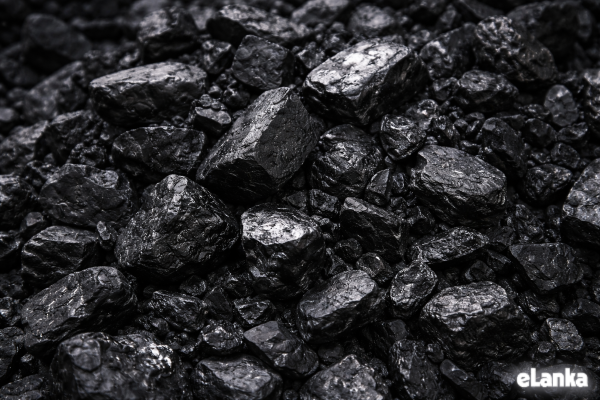
The controversy surrounding the importation of coal from the Indian trader Trident Chemphar Ltd. has prompted direct accusations against senior officials in the NPP government.
Opposition figures and political groups have alleged corruption, including “heavy corruption,” in the tender process, specifically targeting the Minister of Power and Energy, Kumara Jayakody, and President Anura Kumara Dissanayake. AKD is committed to eradicating bribery and corruption within his NPP administration; however, this case warrants a personal investigation by him, in the interest of his constituents, to ensure transparency in the transaction.
This inquiry focuses on identifying the person within the NPP government responsible for procuring substandard coal from the Indian vendor Trident Chemphar Ltd. Understanding who was in charge can help ensure accountability and improve future procurement processes.
Is there any evidence that the government official involved in this transaction received secret commissions, especially regarding the purchase of low-quality coal and the payment for higher-quality coal?
Critics have highlighted several key government officials responsible for procurement.
Minister Kumara Jayakody is facing serious concerns over allegations of corruption related to the import of low-quality coal. Reports also suggest he may be encouraging officials to bypass proper testing by mixing new supplies with existing reserves. These claims understandably raise important questions about transparency and accountability.
The President, AKD, and the Cabinet are under pressure from the opposition, who believe they should be held responsible for the purchase of low-quality combustible coal, even though they knew the potential consequences.
Laboratory analyses have confirmed that some shipments didn’t meet the required calorific value. As a result, lower-quality coal has caused a daily decrease in power output of about 95-100 MW. As a result, the country has had to rely on more expensive diesel fuel to make up for the gap, affecting overall energy production.
Furthermore, the coal contained approximately 21% ash, nearly twice the plant’s standard of 11%. This appears to increase the volume of solid waste known as fly ash, potentially damaging machinery and posing significant environmental and public health risks from toxic heavy metals.
Alleged Fraud and Money Laundering
Former lawmaker Patali Champika Ranawaka has raised important questions about whether the deal might be linked to a money-laundering scheme. He also highlighted the importance of identifying all the beneficiaries involved.
The government has recognised that the quality of the combustible coal was below standard and plans to impose sanctions on the supplier. We will have to wait and see if they agree to pay the USD 2.1 million penalty. Critics, however, feel that this amount isn’t enough, especially considering that the total loss from just four shipments was estimated at Rs 2,796 million before the fine.
According to government sources, the total penalties—covering all four shipments—amount to roughly US$ 3.1 million (about Rs.
1,037 million) in fines for the initial shipments that didn’t meet requirements.
A key concern in Parliament is that the state’s overall financial loss significantly exceeds the fines that can be collected.
The authorities have stated that enforcing penalties for substandard coal quality is part of the established agreement.
There may exist an element of an “under the table” transaction that cannot be substantiated in a court of law; however, the suspicion among the public and opposition parties persists.
The government asserts that the first two shipments were significant and contained low-quality products, whereas the third shipment met specifications. Nevertheless, opposition groups continue to call for independent investigations and the dismissal of the relevant Minister if any fraud is confirmed.
The technical issue with the coal imported by Trident Champhor Ltd. is that it does not meet the design specifications for the Lakvijaya (Norochcholai) Power Plant. This situation has caused the plant to reduce its power generation temporarily and may pose long-term risks to its machinery, but steps are being taken to address the problem.
Elevated ash content may pose a substantial issue, potentially
compromising the plant’s mechanical stability.
Elevated ash content can result in increased wear and tear of boiler tubes and turbines due to erosion and slagging, which is the accumulation of molten ash. Consequently, this may necessitate more frequent maintenance of the equipment over time.
In conclusion, it can be really discouraging when “cheap” coal ends up costing us billions in repairs and lost power. It serves as a reminder that things aren’t always as simple as they seem, encouraging us to think carefully about all the hidden costs involved.
End.