eLanka

Wednesday, 25 Mar 2026
  • Home
  • Read History
  • Articles
    • eLanka Journalists
  • Events
  • Useful links
    • Obituaries
    • Seeking to Contact
    • eLanka Newsletters
    • Weekly Events and Advertisements
    • eLanka Testimonials
    • Sri Lanka Newspapers
    • Sri Lanka TV LIVE
    • Sri Lanka Radio
    • eLanka Recepies
  • Gallery
  • Contact
Newsletter
  • eLanka Weddings
  • Property
  • eLanka Shop
  • Business Directory
eLankaeLanka
Font ResizerAa
Search
  • Home
  • Read History
  • Articles
    • eLanka Journalists
  • Events
  • Useful links
    • Obituaries
    • Seeking to Contact
    • eLanka Newsletters
    • Weekly Events and Advertisements
    • eLanka Testimonials
    • Sri Lanka Newspapers
    • Sri Lanka TV LIVE
    • Sri Lanka Radio
    • eLanka Recepies
  • Gallery
  • Contact
Follow US
© 2005 – 2026 eLanka Pty Ltd. All Rights Reserved.
Home » Goodnews Stories Srilankan Expats » Articles » Lets Detox from Smart Phones- By Nisal Rukshan

ArticlesNisal Rukshan

Lets Detox from Smart Phones- By Nisal Rukshan

eLanka admin
Last updated: March 25, 2026 6:53 pm
By
eLanka admin
ByeLanka admin
Follow:
Share
5 Min Read
SHARE
Views: 11

Lets Detox from Smart Phones- By Nisal Rukshan

Nisal Rukshan

Mobile phones have become an integral part to daily life, facilitating various activities, particularly communication. Recent technological advancements enable mobile phones to perform multiple functions comparable to computers.

Despite the convenience the mobile phones provide, there is increasing recognition of their overuse and associated addictive effects. Mobile phone addiction, also referred to as problematic smartphone use, is characterised by excessive, compulsive, and dysfunctional usage that results in significant impairment in daily life, mental health, and social functioning.

Although mobile phone addiction is not formally recognised as a diagnosis in the DSM-5 by the American Psychiatric Association (APA), many researchers consider it a behavioural addiction similar to substance use disorders.

Digital mobile phones increasingly exert subtle control over users through social media applications, games, chat groups, and entertainment platforms featuring music, movies, and various philosophies often limit opportunities to disengage. When mobile phone usage extends beyond essential needs, it may develop into a disorder.

This disorder, known as mobile phone addiction or nomophobia, is recognised as a behavioural disorder driven by dopamine feedback loops. Constant stimulation from notifications and apps disrupts the natural flow of dopamine, significantly affecting the brain and body.

Identifying symptoms of mobile phone addiction is essential. Recent research has introduced several related terms and definitions.

Nomophobia: The fear associated with being without one’s mobile phone.

Textaphrenia: The fear of being unable to send or receive text messages.

Ringxiety: The sensation of perceiving a notification on a mobile phone when none has occurred.

Textiety: Anxiety related to the need to receive and respond to text messages immediately.

Key indicators of mobile phone addiction include frequent device checking, excessive usage, waking at night to check notifications, negative emotions when unable to access the device, and experiencing injuries or impaired personal and professional functioning due to phone use. Attempts to limit usage often result in rapid relapse.

Individuals may not always be aware of their own phone usage; therefore, feedback from others regarding excessive use should be regarded as a constructive warning rather than a source of frustration.

Health experts report that phone addiction can result in both mental and physical health issues. Acharya JP, Acharya I, and Waghrey D (2013), in ‘A Study on Some of the Common Health Effects of Cellphones amongst College Students,’ identified headaches, irritability, anxiety, insomnia, and reduced concentration, among other commonly reported conditions.

Psychological issues caused by phone addiction include depression, anxiety, obsessive-compulsive disorder (OCD), attention deficit hyperactivity disorder (ADHD), alcohol use disorder, difficulty regulating emotions, impulsivity, impaired cognitive function, social networking addiction, shyness, and low self-esteem.

Additional reported effects include muscle pain, stiffness, fatigue, blurred vision, dry or irritated eyes, auditory illusions, thumb or wrist pain, diminished interest in other activities, insomnia, decreased academic or occupational performance, increased social conflicts, irritability in the absence of a phone, elevated risk of depression or anxiety, engagement in risky behaviors involving phone use, and feelings of guilt, helplessness, or loneliness when separated from the device.

Addressing mobile phone addiction involves identifying its underlying causes and implementing appropriate recovery strategies. Treatment may include medication and therapy, with pharmacological intervention typically reserved for severe cases, while therapy alone is recommended for milder cases.

Strategies to reduce mobile phone addiction include uninstalling frequently used applications, opting for non-smartphone devices, storing phones out of immediate reach, disabling notifications, keeping devices away from the bed at night, engaging in physical activities, and practicing meditation or mindfulness.

Parents have a significant responsibility to monitor both their own mobile phone use and their children’s. Effective measures include restricting the unnecessary app downloads, imposing internet usage limits, and supervising mobile phone use. Providing a phone to an infant during feeding is discouraged, as it may contribute to the development of addictive behaviours.

Addiction can affect individuals regardless of awareness. Remaining informed is essential. This article has outlined mobile phone addiction and potential recovery strategies. Individuals experiencing difficulties are encouraged to consult a qualified mental health care provider for assistance.

Nisal Rukshan, MHRM, B.A. (Defence), BSc (Hons.) Counselling Psychology, DCPsy, DOSH, DipHSC

Rukshan4slsr@gmail.com

TAGGED:American Psychiatric AssociationCommon Health Effects of Cellphones amongst College StudentsNisal Rukshan
Share This Article
Facebook Whatsapp Whatsapp LinkedIn Email Copy Link Print
Previous Article ICC Men’s T20 World Cup 2028, T20 World Cup 2028 host cities, Cricket Australia T20WC28, New Zealand Cricket World Cup 2028, ICC tournament 2028 venues, T20 World Cup Australia New Zealand, cricket world cup host selection process, ICC global cricket events, T20 cricket tournament 2028, international cricket council news, cricket host city bidding process, T20 World Cup venues announcement 2026, cricket Australia news, NZC cricket updates, global cricket tournaments 2028, cricket fans worldwide event, ICC T20WC28 teams list, cricket qualification pathway ICC, T20 World Cup schedule 2028, southern hemisphere cricket event ICC Men’s T20 World Cup 2028 Host City and Venue Selection Process
Next Article A World Order in Crisis: War, Power, and Resistance-by Dr. Asoka Bandarage
FacebookLike
YoutubeSubscribe
LinkedInFollow
Most Read
10 Pictures With Fascinating Stories Behind Them!

“A PICTURE SPEAKS A 1000 WORDS” – By Des Kelly

Look past your thoughts so you may drink the pure nectar of this moment

A Life Hack for when we’re Burnt Out & Broken Down – By Uma Panch

Narration of the History of our Proud Ancestral (Orang Jawa) Heritage. by Noor R. Rahim

eLanka Weddings

eLanka Marriage Proposals

Noel News

Noel News

Noel News

Noel News- By Noel Whittaker

EILEEN MARY SIBELLE DE SILVA (nee DISSANAYAKE) – 29 September 1922 – 6 April 2018 – A Woman of Value an Appreciation written by Mohini Gunasekera

K.K.S. Cement Factory

Dr.Harold Gunatillake’s 90th Birthday party

Sri Lanka's women's cricket squad in Melbourne

Cricket: Sri Lanka’s women’s squad in Melbourne

- Advertisement -
Ad image
Related News
A Valedictory Epitaph in Words-eLanka
Articles

Fr. Aloysius Pieris: A Valedictory Epitaph in Words-by Avishka Mario Seneviratne

DIMITHRI AUTHENTIC
Articles Sunil Thenabadu

DIMITHRI AUTHENTIC, INCOMPARABLE RARE MUSICIAN WHO WRITE LYRICS,MAKE OWN MELODIES AND SINGS HIGHLY EDUCATED-by Sunil Thenabadu

Articles

A World Order in Crisis: War, Power, and Resistance-by Dr. Asoka Bandarage

ICC Men’s T20 World Cup 2028, T20 World Cup 2028 host cities, Cricket Australia T20WC28, New Zealand Cricket World Cup 2028, ICC tournament 2028 venues, T20 World Cup Australia New Zealand, cricket world cup host selection process, ICC global cricket events, T20 cricket tournament 2028, international cricket council news, cricket host city bidding process, T20 World Cup venues announcement 2026, cricket Australia news, NZC cricket updates, global cricket tournaments 2028, cricket fans worldwide event, ICC T20WC28 teams list, cricket qualification pathway ICC, T20 World Cup schedule 2028, southern hemisphere cricket event
Articles

ICC Men’s T20 World Cup 2028 Host City and Venue Selection Process

Articles Dr Harold Gunatillake

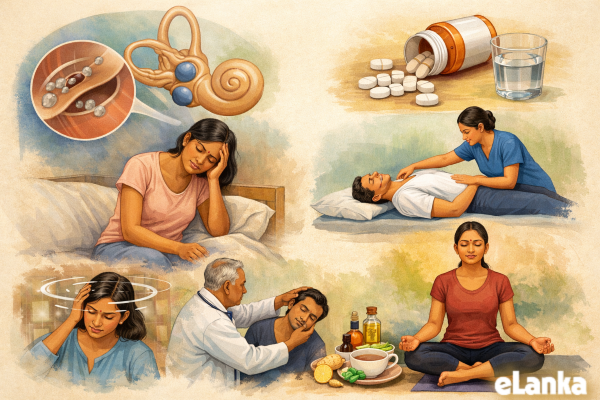
Benign Paroxysmal Positional Vertigo (BPPV) – Strategies for Prevention-by Harold Gunatillake

  • Quick Links:
  • Articles
  • DESMOND KELLY
  • Dr Harold Gunatillake
  • English Videos
  • Sri Lanka
  • Sinhala Videos
  • eLanka Newsletters
  • Obituaries
  • Sunil Thenabadu
  • Dr. Harold Gunatillake
  • Tamil Videos
  • Sinhala Movies
  • Trevine Rodrigo
  • Photos
  • eLanka Newsletter

eLanka

Your Trusted Source for News & Community Stories: Stay connected with reliable updates, inspiring features, and breaking news. From politics and technology to culture, lifestyle, and events, eLanka brings you stories that matter — keeping you informed, engaged, and connected 24/7.
Kerrie road, Oatlands , NSW 2117 , Australia.
Email : info@eLanka.com.au / rasangivjes@gmail.com.
WhatsApp : +61402905275 / +94775882546
  • About eLanka
  • Terms & Conditions

Disclaimer:
eLanka is committed to sharing positive and community-focused stories. We do not publish or endorse political, religious, or ethnic viewpoints. The content published on eLanka, including articles and newsletters, reflects the opinions and views of the respective authors and not those of eLanka. eLanka accepts no responsibility or liability for the accuracy, completeness, or consequences of any content provided by contributors.

(c) 2005 – 2025 eLanka Pty Ltd. All Rights Reserved.