Mitochondria: The Powerhouses of the Cell -Dr Harold Gunatillake

Overview: Ninety per cent of the body’s energy is generated within the mitochondria. When mitochondria are functional and energy levels are adequate, the body can manage nearly any challenge. This is very important to know to lead a comfortable, healthy life.
Today, we examine cellular health, focusing on a vital organelle present in every cell of the body and its significance for overall health.
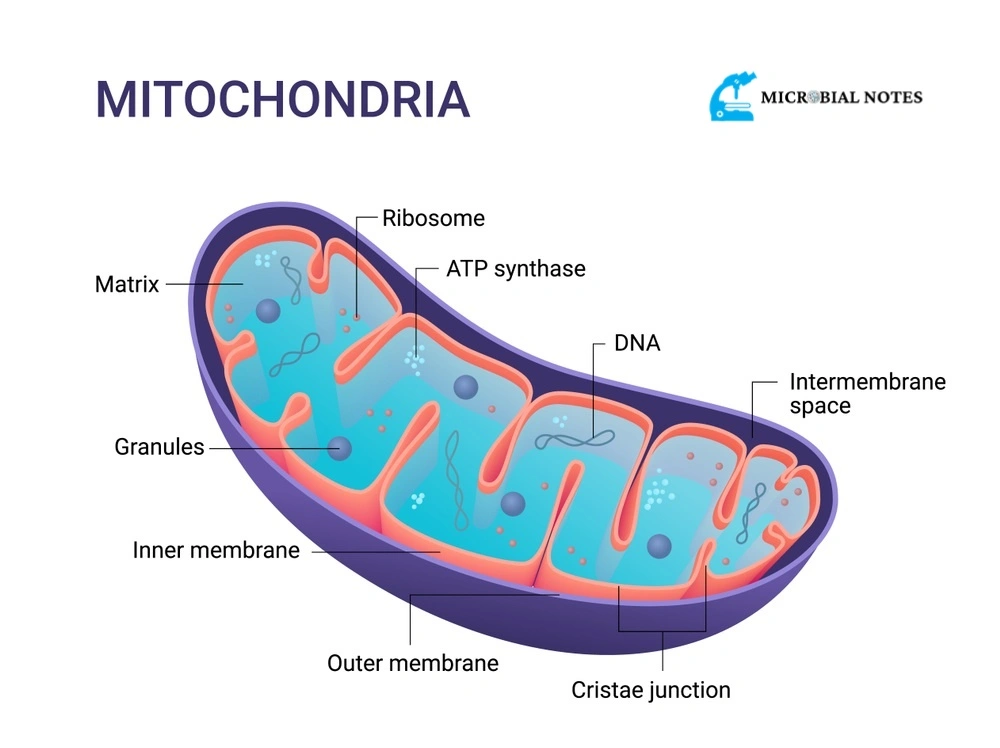
Image Source: microbialnotes.com
The mitochondrion, a cellular organelle, is present in most cells and serves as the site of biochemical processes, including respiration and energy production. It features a double membrane, with the inner membrane intricately folded inward to form layers known as cristae.
Mitochondria act as energy reservoirs, generating more than 90% of cellular energy in humans. They are essential in organs with high energy demands, such as the heart, liver, muscles, and brain.
They are commonly recognised as the “powerhouses” of the cell. These cells generate energy in the form of adenosine triphosphate (ATP), which powers most cellular functions.
Each cell contains a central organelle, the nucleus, and the remainder of the cell is called the cytoplasm. Powerhouses are located within the cytoplasm of each cell.
These mitochondria are prevalent in cells that require substantial energy, including muscle, cardiac, nerve, and liver cells.

Image Source :eu.cellcosmet.com
Now, let us touch on its functions.
Energy is produced by converting the sugar and fatty acids you take in food into ATP through a process called cellular respiration.
They play a significant role in apoptosis, the process by which damaged or unnecessary cells are eliminated.
Mitochondria are essential because they synthesise certain hormones and amino acids. They also work hard to break down waste products, keeping our bodies healthy and functioning smoothly.
Mitochondria are crucial for the synthesis of steroid hormones and specific non-essential amino acids.
They also help regulate cellular calcium levels, which are vital for signalling pathways and muscle contraction.
Mitochondrial dysfunction?
Mitochondrial dysfunction is a significant contributor to the natural ageing process and age-related muscle degeneration (sarcopenia). Nonetheless, persistent or unexplained muscle weakness in middle age may indicate a range of underlying health conditions or lifestyle factors. At the physiological level, such dysfunction is linked to exposure to specific environmental agents—such as pharmaceutical drugs, occupational chemicals, and cigarette smoke—or to genetic abnormalities affecting both mitochondrial and nuclear DNA.
If mitochondria are not functioning correctly, this can lead to diseases such as mitochondrial myopathy, Leigh syndrome, and MELAS syndrome, which can cause muscle weakness, neurological problems, and organ failure.
Mitochondrial myopathy (MM) is a group of hereditary disorders characterised by mitochondrial dysfunction, the cellular energy generators, leading to pronounced muscle weakness, fatigue, and exercise intolerance. These conditions primarily affect tissues with high energy requirements, such as muscles, the brain, and the heart.
Dysfunctional mitochondria have been associated with conditions such as Parkinson’s disease, Alzheimer’s disease, and Huntington’s disease.
Impaired mitochondrial function may contribute to diabetes and obesity by affecting energy metabolism, immune function, ageing, and nervous system degeneration. Autoimmune diseases, Increased rate of ageing
Degeneration of the nervous system Cardiovascular disease
Cancer
Mitochondrial dysfunction induces diabetes by impairing cellular energy production, thereby increasing oxidative stress, inflammation, and the accumulation of deleterious lipid byproducts, such as ceramides. These factors synergistically impair insulin signalling and reduce insulin secretion, particularly from pancreatic beta cells, ultimately leading to hyperglycemia.
There is a growing body of evidence indicating that mitochondrial dysfunction plays a role in the ageing process and the aetiology of particular cancers.
Yes, mitochondrial dysfunction is strongly associated with cancer, facilitating its development, progression, and resistance to therapy. However, it does not necessarily cause cancer in every instance; defective mitochondria can modulate cellular metabolism, elevate oxidative stress, promote inflammatory responses, and contribute to aggressive characteristics such as metastasis. Consequently, they represent critical targets for cancer therapeutics.
Mitochondria are indispensable for maintaining cellular energy and overall health. Their roles extend beyond energy production, influencing cell viability, metabolic functions, and disease progression. A thorough understanding of mitochondrial biology is vital to the development of innovative therapeutic interventions for diverse conditions, including genetic disorders, chronic diseases, and ageing.
How to keep your mitochondria healthy. How to stop mitochondrial ageing?
Engaging in physical activity and maintaining mobility at any age are essential components of longevity. Scientific research demonstrates that consistent physical activity enhances mitochondrial function, particularly in older adults. Exercise facilitates mitochondrial biogenesis, the process by which cells produce new mitochondria, and aids in reducing oxidative stress. To promote mitochondrial health, it is advisable to participate in regular physical activities, including cardiovascular and strength- training exercises. Additionally, adherence to a nutrient-dense diet rich in antioxidants, B vitamins, protein, and healthy fats is advantageous. Adequate, high-quality sleep, along with effective stress management, is also vital. Furthermore, it is imperative to avoid processed foods, excessive sugar intake, tobacco, and alcohol, as these can negatively impact mitochondrial function.
Overall, mitochondria thrive through consistent care, antioxidant support, and proper cellular nourishment.
Maintaining healthy mitochondria is essential for optimal energy production, robust metabolism, practical organ function, improved cognitive health, enhanced athletic performance and recovery, a strong immune system, and increased longevity and resilience against chronic diseases.