PM Amarasuriya Inaugurates Educational and Cultural Exhibition Celebrating the Seven Korales’ Artistic Heritage

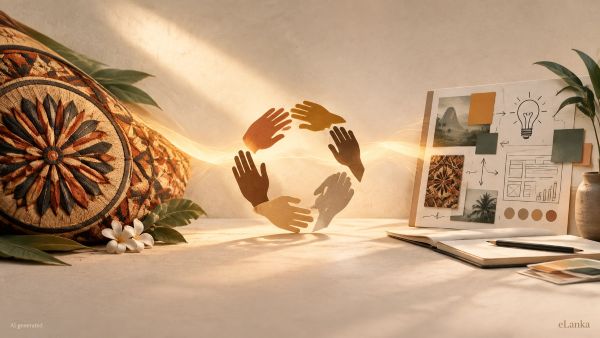
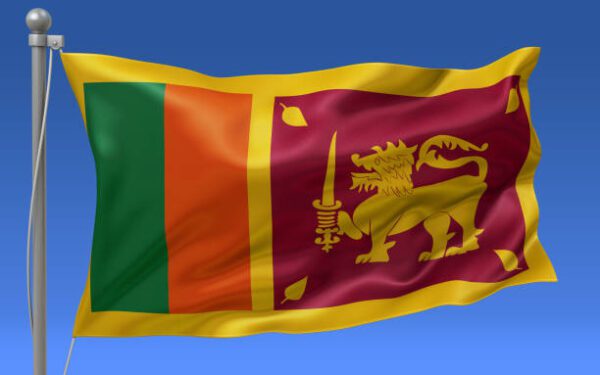
AI-generated feature image by eLanka, based on the cultural exhibition described in the source report. Image credit: eLanka.
Prime Minister Dr. Harini Amarasuriya has underscored the enduring importance of art and culture in building a fulfilling society, as she inaugurated a special educational and cultural exhibition celebrating the rich artistic heritage of the Seven Korales in Sri Lanka’s North Western Province.
The exhibition was opened at the Wayamba Janakala Centre in Kurunegala on 12 September 2026, in an initiative intended not only to present regional artistic traditions, but also to revitalise them through education, public participation and meaningful engagement between generations. The event, organised jointly by the Wayamba Janakala Foundation and the Siyapatha Kala Sangamaya, forms part of a seven-day cultural festival running from 12 to 18 September.
The programme is open daily from 10.00 a.m. until midnight, allowing school students, teachers, young people, families and other members of the public to experience a varied schedule of film screenings, educational programmes, practical workshops and performing arts presentations.
A cultural programme rooted in regional identity
The artistic traditions associated with the Seven Korales represent an important dimension of the North Western Province’s cultural character, where forms of performance, craft, visual expression and community-based knowledge have been preserved through practice and transmission across generations.
By bringing these traditions together under one programme, the exhibition provides a setting in which regional heritage can be viewed not as a static collection of historical objects, but as a living cultural resource capable of informing contemporary education and community life.
The programme’s organisers have sought to create an environment in which visitors can encounter artistic practices through observation, discussion and participation. Such an approach is particularly valuable for younger audiences, who are being introduced to their cultural inheritance within a society shaped increasingly by digital communication, rapid technological change and global influences.
The festival’s combination of exhibitions, workshops, films and live presentations is therefore significant, as it places historical knowledge alongside active experience. Through this structure, traditional art is presented as a source of imagination, discipline, identity and social connection.

Traditional craft and artistic practice form an important part of the exhibition’s wider cultural focus. Image: AI-generated by eLanka.
Official opening and digital preservation
Prime Minister Amarasuriya officially opened the exhibition by inaugurating the stall of the Department of Education, thereby highlighting the relationship between cultural knowledge and learning.
The Department of Education’s participation is especially relevant because the long-term preservation of regional heritage depends substantially on whether young people are given opportunities to understand, value and interpret it. Cultural education can strengthen historical awareness while also developing creativity, confidence and respect for the work of earlier generations.
The Prime Minister also launched the official website of the Janakala Foundation during the opening ceremony. The digital platform is expected to provide an additional avenue through which the foundation’s work, activities and artistic initiatives can be presented to a wider audience.
The launch reflects the growing importance of digital documentation in cultural preservation. While exhibitions and performances remain essential, online platforms can extend their reach beyond a single venue and period, enabling information about artists, traditions and programmes to be recorded and shared more widely.
For regional arts organisations, such digital visibility offers considerable potential. It can assist in building educational resources, encouraging collaboration, supporting artists and ensuring that valuable cultural knowledge is not confined to a limited geographical area.
Recognising the province’s veteran artists
The opening ceremony also included the honouring of four veteran artists from the North Western Province: Professor Mudiyanse Dissanayake, Nibiriyagama Bandara, Anton Coorey and Charitha Wickramasinghe.
Their recognition placed individual artistic achievement within the broader history of regional cultural development. Artists of this kind often serve as custodians of specialised knowledge, carrying forward forms of expression that may otherwise become vulnerable to neglect as social conditions change.
Honouring them publicly also establishes an important connection between established practitioners and emerging artists. Students and younger participants attending the festival are able to see that artistic contribution is not merely an extracurricular pursuit, but a serious and valuable form of service to society.
The inclusion of veteran artists within the programme further strengthens the exhibition’s educational purpose, as their experience represents a direct link between inherited traditions and the present cultural landscape.
Art, unity and a fulfilling life
Addressing the gathering, Prime Minister Amarasuriya emphasised that national progress should not be understood solely through physical development or economic indicators. Roads, buildings and housing facilities are necessary components of social advancement, but she argued that they cannot, by themselves, create a happy or fulfilling society.
The Prime Minister stated:
> “We believe that art and culture, both are important in realizing the thriving nation and beautiful life that we aspire.”
She further explained that material development alone could leave communities without the sensitivity, harmony and shared understanding necessary for a genuinely meaningful life. In her remarks, unity, mutual understanding and harmony were identified as essential elements of social well-being.
This perspective gives the exhibition a significance extending beyond the display of artistic objects or the presentation of performances. Art can encourage people to consider experiences different from their own, while cultural activity can provide a constructive setting for dialogue between communities, generations and social groups.

Educational workshops can help transfer cultural knowledge to younger generations. Image: AI-generated by eLanka.
Preserving identity while remaining open-minded
Prime Minister Amarasuriya also called for a balanced approach to cultural identity in a rapidly changing, technology-driven society.
The preservation of identity, in this context, does not require communities to isolate themselves from new ideas or from the wider world. Instead, it requires an ability to recognise the value of inherited traditions while remaining open-minded, adaptable and prepared to engage with contemporary challenges.
This balance is increasingly important for cultural institutions and educators. Traditional practices can be protected through documentation, teaching and public celebration, while new technologies can be used to record performances, create digital archives and introduce regional artistic heritage to audiences beyond Sri Lanka.
The exhibition at the Wayamba Janakala Centre demonstrates how those two priorities can exist together. The physical display of crafts and artworks, the presentation of performances and the launch of the Janakala Foundation’s website collectively illustrate how tradition can be sustained through both established and modern methods.
A festival for the wider community
The seven-day programme has been designed to welcome a broad audience, with activities suited to students, teachers, young people and adults. Film screenings provide opportunities to explore cultural subjects through visual storytelling, while educational sessions can place artistic practices within their historical and social context.
Workshops, meanwhile, offer a more direct form of participation, allowing visitors to observe or practise elements of traditional craft. Performing arts presentations bring movement, music and rhythm into the programme, creating an atmosphere in which regional heritage can be experienced collectively.

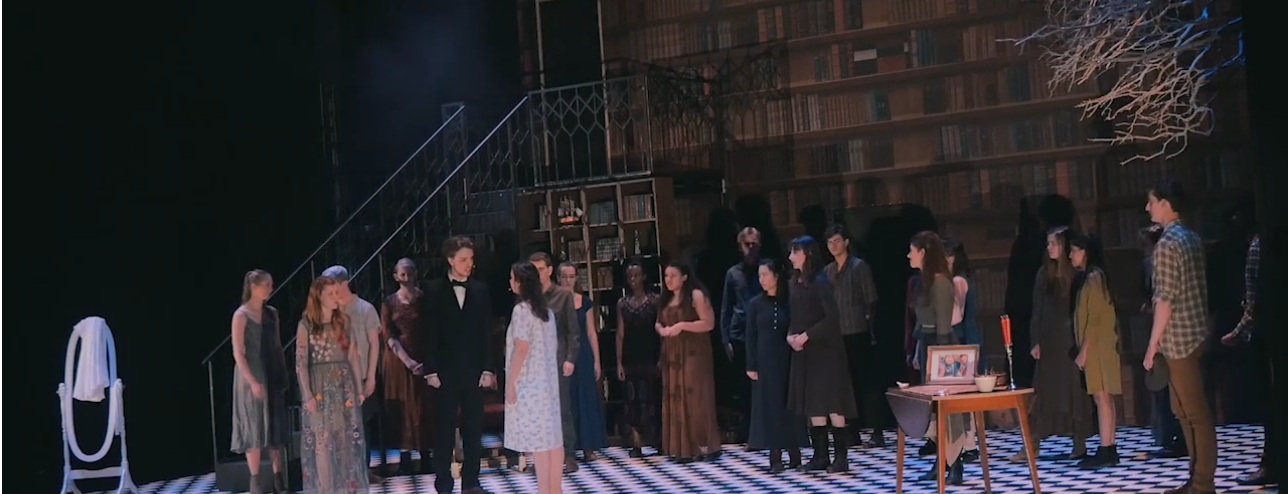
Performing arts presentations form part of the festival’s evening programme. Image: AI-generated by eLanka.
The festival’s extended daily hours, from 10.00 a.m. to midnight, provide flexibility for different sections of the community to attend. This broad access is instrumental in ensuring that cultural activity remains connected to ordinary community life rather than being restricted to formal ceremonies or specialist audiences.
For Sri Lankans living abroad, including members of the global Sri Lankan community in Australia, the United Kingdom, Canada, New Zealand and the United States, such initiatives also offer a valuable reminder of the depth and diversity of the island’s regional heritage. eLanka continues to share positive stories about Sri Lankan culture, achievement and community life through its news and community platform, helping readers remain connected with developments in Sri Lanka and around the world.
The exhibition celebrating the Seven Korales’ artistic heritage therefore represents more than a temporary cultural gathering. It is an affirmation of the value of regional knowledge, a recognition of artists who have contributed to the province’s cultural landscape and an educational opportunity for younger generations.
As Prime Minister Amarasuriya’s remarks indicate, the enrichment of community life depends upon more than physical development. Unity, mutual understanding, harmony and culture remain indispensable to the creation of a society in which progress is accompanied by sensitivity, identity and shared fulfilment.
This article was written based on the source https://dailyfc.com/pm-amarasuriya-inaugurates-educational-cultural-exhibition-celebrating-seven-korales-artistic-heritage/, kindly email us at info@eLanka.com.au if any information needs to be corrected.
(adsbygoogle = window.adsbygoogle || []).push({});
At eLanka, we respect the rights of creators. If we have used an image you own and you’d like it removed, please email us at info@elanka.com.au and we’ll handle it promptly.