

News & Community eLanka

eLanka

Thursday, 29 Oct 2026
  • Home
  • Read History
  • Articles
    • eLanka Journalists
  • Events
  • Useful links
    • Obituaries
    • Seeking to Contact
    • eLanka Newsletters
    • Weekly Events and Advertisements
    • eLanka Testimonials
    • Sri Lanka Newspapers
    • Sri Lanka TV LIVE
    • Sri Lanka Radio
    • eLanka Recepies
  • Gallery
  • Contact
Newsletter
Sri lankan news
  • eLanka Weddings
  • Property
  • eLanka Shop
  • Business Directory
eLankaeLanka
Font ResizerAa
Search
  • Home
  • Read History
  • Articles
    • eLanka Journalists
  • Events
  • Useful links
    • Obituaries
    • Seeking to Contact
    • eLanka Newsletters
    • Weekly Events and Advertisements
    • eLanka Testimonials
    • Sri Lanka Newspapers
    • Sri Lanka TV LIVE
    • Sri Lanka Radio
    • eLanka Recepies
  • Gallery
  • Contact
Follow US
© 2005 – 2026 eLanka Pty Ltd. All Rights Reserved.
Home » Goodnews Stories Srilankan Expats » Articles » We are on the brink of losing Indigenous languages in Australia – could schools save them?
Articles

We are on the brink of losing Indigenous languages in Australia – could schools save them?

eLanka admin
Last updated: July 21, 2022 8:35 am
By
eLanka admin
ByeLanka admin
Follow:
Share
7 Min Read
SHARE
Views: 111

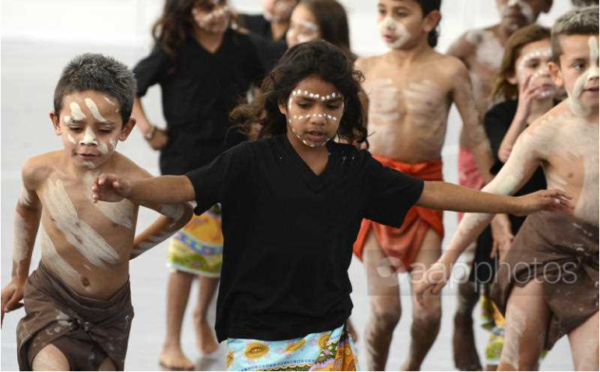
We are on the brink of losing Indigenous languages in Australia – could schools save them?

We are on the brink of losing Indigenous languages in Australia – could schools save them?
Dan Peled/AAP Image

Source : theconversation.com

Contents
  • Loss of language has significant impacts on Indigenous communities
  • What role does education play?
  • What can we do in the Decade for Indigenous Languages?

Of the world’s 7,000 languages, it is estimated 50% to 90% will no longer be spoken in the next 50 to 100 years. The majority under threat are languages spoken by Indigenous peoples around the world: one is lost every two weeks.

One of the world’s fastest rates of language loss is in Australia. Indigenous languages in Australia comprise only 2% of languages spoken in the world, but represent 9% of the world’s critically endangered languages.

More than 250 Indigenous languages and over 750 dialects were originally spoken. However, as some experts estimate, only 40 languages are still spoken, with just 12 being learned by children.

First Nations educator Jacquie Hunter, who contributed to this article, has worked at One Arm Point Remote Community School in Ardiyooloon in Australia’s northwest for 17 years. She told us “kids know words, but not sentences” of their Bardi language. She estimates within the next few years, “we won’t have any more fluent speakers around to teach us those full sentences in our language”.

This is a pattern repeated in Indigenous communities nationwide.

Linguists have long recognised this urgency and policy-makers have recently begun to take action. Most notably, this year marks the start of the United Nations’ International Decade of Indigenous Languages (following on from 2019’s International Year of Indigenous Languages).

It aims to draw global attention to the critical endangerment of indigenous languages, and engage stakeholders and resources for their preservation, revitalisation, and promotion.

Loss of language has significant impacts on Indigenous communities

The United Nations Permanent Forum on Indigenous Issues, has noted how the threat to languages is a direct consequence of “colonialism and colonial practices that resulted in the decimation of indigenous peoples, their cultures and languages”.

These involved policies of dispossession and discrimination. This is further exacerbated by globalisation and the rise of a small number of culturally dominant languages, such as English.

More than 4,000 of the world’s languages are spoken by Indigenous People. With their disappearance, we will see a loss of linguistic diversity, and diverse cultures and worldviews. Important connections between Indigenous languages and cultural identities may also be broken.

The relationship between language and culture is complex. Cultural values and ways of thinking can still be conveyed via a new language — an example is found in Kriol (an English-based contact language with features from Aboriginal languages). Nonetheless, in many communities, language and culture are closely intertwined. As Jacquie Hunter also told us, “We have our culture, a strong culture – but without language how you supposed to keep it going?”

Language is also key to sustainability. Local languages are crucial for collaboration with local communities. And loss of Indigenous languages means loss of much traditional ecological knowledge, including strategies for sustainable living.

For example, Indigenous ecological knowledge in Australia includes Aboriginal seasonal knowledge, and traditional uses of flora and fauna.

This holds the key to natural resource management, such as cultural burning in fire management. But such knowledge risks being lost if Indigenous languages do not continue being passed down to the next generation.

What role does education play?

Globally, the lack of support for minority languages in the mainstream school system poses one of the greatest threats to indigenous languages. Research has found that the more someone is educated in the mainstream system, the less the use of their indigenous language.

Yet schools can provide rich environments for supporting diversity. Australia has seen some promise here in recent years.

Aboriginal language programs from pre-school to year 12 are developing in all states — Western Australia and New South Wales are good examples of this.

A 2022 poll of about 650 primary school students found they wanted to learn an Indigenous language – ahead of other, foreign languages.

Primary school students want to learn indigenous languages according to a new study released this week. pic.twitter.com/GuxuPX9Y64

— PRIME7 News Tamworth (@PRIME7Tamworth) April 12, 2022

Schools like One Arm Point Remote Community School in WA integrate traditional culture and knowledge into the curriculum through the inclusion of Elders, rangers, and community members. Students create material in the Bardi language, Australian English and Aboriginal English. One outcome was the national award-winning book Our World: Bardi Jaawi Life at Ardiyooloon.

What can we do in the Decade for Indigenous Languages?

For decades, linguists have been documenting Indigenous languages alongside community, creating digital archives, and producing learning resources. A good example is the Bardi app. But teachers and students want to “listen with our ears to the Elders speaking it”, as Jacquie Hunter explains.

The demand for Indigenous language teachers has been a longstanding issue. In recent years, more funding has been allocated. The new federal government has pledged A$14 million over the next three years, to bring First Nations teachers to around 60 schools. In remote Aboriginal schools, like One Arm Point, funding could be used to bring Elders and resources into the school to keep the language going.

We’re excited the new @AlboMP Government promised to fund 60 new First Nations Cultural Educators to share their language and culture in primary schools across the nation. It’s a great start. Let’s make sure it happens (and expands!) #knowyourcountry https://t.co/YR40wPsXt2 pic.twitter.com/uwDDZAtaJW

— Know Your Country (@KnowYrCountry) May 25, 2022

Linguistics researchers also play a role. In collaboration with local schools, we want to work with teachers and students to research the situation of Indigenous languages and ways to broaden their use to protect them from being lost.

We also want to look more at how Aboriginal English and Kriol, as well as using more than one language, can be more valued in the classroom.

Greater awareness will — hopefully — bring greater action. Watch this space. Watch this decade.
 

TAGGED:AustraliaBardi languageJacquie HunterRemote Community School
Share This Article
Facebook Whatsapp Whatsapp LinkedIn Email Copy Link Print
Previous Article The newest CEYLON COFFEE CLUB branch ceremoniously declared open in Bataan – by Minodh De Sylva The newest CEYLON COFFEE CLUB branch ceremoniously declared open in Bataan – by Minodh De Sylva
Next Article New President elected in Sri Lanka parliament - By Dr Harold Gunatillake New President elected in Sri Lanka parliament – By Dr Harold Gunatillake
FacebookLike
YoutubeSubscribe
LinkedInFollow
- Advertisement -
Arcare Aged Care
- Advertisement -
eLankaproperty - sell property in Sri Lanka, Sri Lanka property for sale, Sri Lanka real estate, Sri Lanka property listings, property marketplace Sri Lanka, land for sale Sri Lanka, houses for sale Sri Lanka, apartments for sale Sri Lanka, commercial property Sri Lanka, luxury villas Sri Lanka, Sri Lankan property investment, buy property in Sri Lanka, Colombo property for sale, beachfront property Sri Lanka, development land Sri Lanka, investment property Sri Lanka, property advertising Sri Lanka, real estate agents Sri Lanka, property brokers Sri Lanka, overseas Sri Lankan property buyers, Sri Lanka property website, list property online Sri Lanka, affordable property listings Sri Lanka, Sri Lanka homes for sale, Sri Lanka land investment, property developers Sri Lanka, real estate marketplace Sri Lanka, Sri Lanka commercial real estate, sell land in Sri Lanka, sell house in Sri Lanka, Sri Lanka property portal, global property marketplace Sri Lanka, Sri Lankan real estate investment, property management Sri Lanka, buy land Sri Lanka, residential property Sri Lanka, holiday homes Sri Lanka, Sri Lanka investment opportunities, real estate advertising Sri Lanka, eLankaProperty
- Advertisement -
ALTAIR
- Advertisement -
Ad image
eLanka Wedding
Most Read

Madushanka and Kamindu Mendis lead the way in Pakistan rout. Sri Lanka storm into tri-series final but victory in the final will confirm form turnaround. BY TREVINE RODRIGO IN MELBOURNE. (eLanka Sports Editor)

Keep Progressing

Well Done, Sri Lanka — Keep Progressing-by Harold Gunatillake

National Calm

When Philosophy Is Misused: Buddhism, Identity, and the Need for National Calm-by Harold Gunatillake

Travis Head and Alex Carey mural unveiled in Adelaide

Cricket Australia (CA) today released its Annual Report for 2025-26

Related News
Good News From Jayam, Jayam Rutnam, eLanka, Sri Lankan news, Sri Lankan community news, Sri Lankan diaspora, Sri Lankan achievements, Sri Lankan events 2026, Hilton Colombo Oktoberfest 2026, Elina Gunawardana, Victoria's Secret Fashion Show, Dhammika Kumari Semasinghe, Alumex PLC, British Airways Sri Lanka, Hoppers London, Gehan Cooray, Carnegie Hall New York, SLAASC Cricket Tournament 2026, Sri Lankan culture, Sri Lankan entertainment, Sri Lankan recipes, Sri Lankan community Australia, Sri Lankan community USA, international Sri Lankan news, November 2026 news
Articles Jayam Rutnam

Good News From Jayam November 1, 2026 – By Jayam Rutnam

Galle Fort, Hidden Secrets of Galle Fort, Galle Fort Sri Lanka, Sri Lanka heritage, Galle Fort history, UNESCO World Heritage Site, Dutch colonial history, Portuguese history Sri Lanka, Sri Lankan heritage sites, Galle tourism, Indian Ocean trade, Dutch bastions, Groote Kerk, Sri Lanka travel, historic Galle, eLanka
Articles

The Hidden Secrets of Galle Fort: Stories Behind Sri Lanka’s Living Heritage Walls

Winter flights to Sri Lanka
Articles

Three Airlines Resume Winter Flights to Sri Lanka This Week: Edelweiss, Belavia and Centrum Air

St. Peter’s College historic gates Copy
Articles

The Historic Gates of St. Peter’s College: Walking Down Memory Lane with Peterites Everywhere

Sri Lanka community welfare projects
Articles

Sri Lanka Foreign Service Association Funds Anuradhapura Water Plant and Kattuwa Railway Station Upgrade

  • Quick Links:
  • Articles
  • DESMOND KELLY
  • Dr Harold Gunatillake
  • English Videos
  • Sri Lanka
  • Sinhala Videos
  • Obituaries
  • eLanka Newsletters
  • Sunil Thenabadu
  • Trevine Rodrigo
  • Dr. Harold Gunatillake
  • Tamil Videos
  • Sinhala Movies
  • Photos
  • eLanka Newsletter

eLanka

Your Trusted Source for News & Community Stories: Stay connected with reliable updates, inspiring features, and breaking news. From politics and technology to culture, lifestyle, and events, eLanka brings you stories that matter — keeping you informed, engaged, and connected 24/7.
Kerrie road, Oatlands , NSW 2117 , Australia.
Email : info@eLanka.com.au / rasangivjes@gmail.com.
WhatsApp : +61402905275 / +94775882546
  • About eLanka
  • Terms & Conditions

Disclaimer:
eLanka is committed to sharing positive and community-focused stories. We do not publish or endorse political, religious, or ethnic viewpoints. The content published on eLanka, including articles and newsletters, reflects the opinions and views of the respective authors and not those of eLanka. eLanka accepts no responsibility or liability for the accuracy, completeness, or consequences of any content provided by contributors.

(c) 2005 – 2025 eLanka Pty Ltd. All Rights Reserved.