Why Ceylon Cinnamon Is Different — and Why It Matters
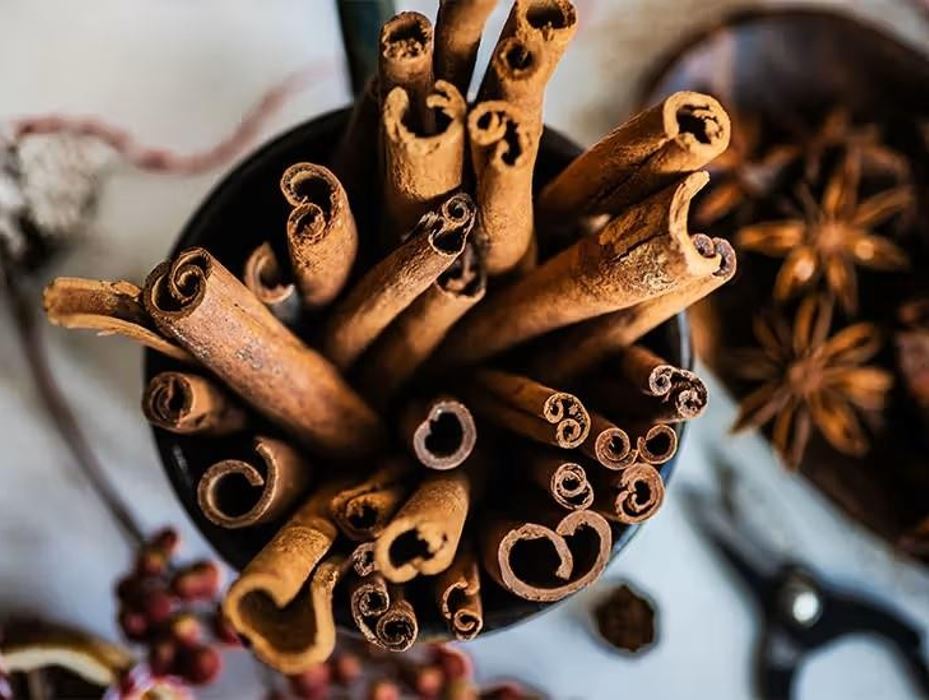
In bakeries and spice aisles across North America, most of what we know as cinnamon isn’t actually true cinnamon at all. The familiar reddish-brown powder that flavors our morning lattes and holiday cookies is typically cassia, a related but distinctly different spice. True cinnamon, known as Ceylon cinnamon, comes from the inner bark of
Cinnamomum verum trees native to Sri Lanka, and the distinction matters more than most people realize.
For centuries, this delicate spice was valuable enough to drive exploration and empire building. Portuguese, Dutch, and British colonizers each sought control of Sri Lanka’s cinnamon trade, recognizing that what grew in these humid coastal lowlands commanded extraordinary prices in European markets. Today, while cassia dominates global
production, Ceylon cinnamon is experiencing renewed interest from consumers who care about ingredient quality, culinary authenticity, and the stories behind what they consume.
What Makes Ceylon Cinnamon Unique Flavor and Appearance
The physical differences between Ceylon cinnamon and cassia are immediately apparent. Ceylon cinnamon quills are thin, delicate, and pale tan, with multiple paper-thin layers rolled together like a fine cigar. Hold one up to the light and you can see how fragile it is: these quills can be ground in a coffee grinder or even crumbled by hand. Cassia sticks are thick, hard, and darker reddish-brown, typically consisting of a single rough layer that resists grinding and requires serious effort to break.
When ground, Ceylon cinnamon prod
In bakeries and spice aisles across North America, most of what we know as cinnamon isn’t actually true cinnamon at all. The familiar reddish-brown powder that flavors our morning lattes and holiday cookies is typically cassia, a related but distinctly different spice. True cinnamon, known as Ceylon cinnamon, comes from the inner bark of
Cinnamomum verum trees native to Sri Lanka, and the distinction matters more than most people realize.
For centuries, this delicate spice was valuable enough to drive exploration and empire building. Portuguese, Dutch, and British colonizers each sought control of Sri Lanka’s cinnamon trade, recognizing that what grew in these humid coastal lowlands commanded extraordinary prices in European markets. Today, while cassia dominates global
production, Ceylon cinnamon is experiencing renewed interest from consumers who care about ingredient quality, culinary authenticity, and the stories behind what they consume.
What Makes Ceylon Cinnamon Unique Flavor and Appearance
The physical differences between Ceylon cinnamon and cassia are immediately apparent. Ceylon cinnamon quills are thin, delicate, and pale tan, with multiple paper-thin layers rolled together like a fine cigar. Hold one up to the light and you can see how fragile it is: these quills can be ground in a coffee grinder or even crumbled by hand. Cassia sticks are thick, hard, and darker reddish-brown, typically consisting of a single rough layer that
resists grinding and requires serious effort to break.
When ground, Ceylon cinnamon produces a lighter, more refined powder with subtle, complex sweetness that carries hints of citrus and floral notes. Cassia, by contrast, offers a more intense, slightly spicy bite that dominates whatever it touches: that bold, almost fiery flavor most North Americans associate with cinnamon toast and pumpkin spice.
Chemical Composition
These flavor and textural variations reflect fundamental differences in chemical composition. The most significant difference lies in coumarin content. Cassia contains high levels of coumarin, typically 0.4 to 0.8 percent by weight, and sometimes much higher, a naturally occurring compound that gives it its strong, assertive flavor. Ceylon cinnamon contains only trace amounts of coumarin, usually less than 0.04 percent, resulting in a gentler, more nuanced taste profile.
This chemical distinction has practical implications. Coumarin, when consumed regularly in large amounts, has raised concerns among health researchers. For people who use cinnamon daily, whether in coffee, smoothies, oatmeal, or supplements, the difference in coumarin levels between cassia and Ceylon varieties becomes relevant. European food safety authorities have established tolerable daily intake levels for coumarin, and reaching those limits with cassia is relatively easy for regular users, while Ceylon cinnamon’s trace amounts make this virtually impossible under normal consumption patterns. This makes Ceylon cinnamon safer for the liver than cassia, particularly for those who consume it regularly.
Ceylon cinnamon also contains different ratios of essential oils, including
cinnamaldehyde, eugenol, and linalool, which contribute to its distinctive aroma and flavor complexity. These compounds give Ceylon cinnamon its characteristic warmth without the sharp bite of cassia.
Traditional Cultivation
Understanding the source of Ceylon cinnamon reveals why it commands attention from spice enthusiasts and culinary professionals. In Sri Lanka—particularly around Negombo and the southwestern coastal belt—cinnamon cultivation remains a skilled craft passed down through generations. The process begins in carefully tended plantations where Cinnamomum verum trees are coppiced, cut back regularly to encourage new shoot growth.
Workers known as pelapaththa carefully peel the inner bark from these young shoots during the rainy season when moisture makes the process easier. This is no simple harvesting operation. The outer bark must be scraped away without damaging the precious inner layer. The thin bark strips are then hand-rolled into quills and dried, often still using traditional methods that have changed little over centuries. A single experienced worker might produce only a few kilograms of finished quills per day, each requiring precise knife work and years of practiced technique.
Organizations like Ceylon Spice Garden work to preserve these traditional cultivation and processing methods while educating visitors about the spice’s journey from tree to table.
Located in the heart of cinnamon-growing country, such operations demonstrate the labor- intensive nature of producing genuine Ceylon cinnamon and the expertise required to maintain quality standards.
Why It Matters
Culinary Applications
For cooks and bakers, Ceylon cinnamon opens up flavor possibilities that cassia simply can’t provide. Its delicate, complex profile shines in preparations where subtlety matters. Pastry chefs favor it for custards, light cakes, poached fruits, and dishes where gentle warmth enhances rather than overwhelms. It works beautifully in rice pudding, where
cassia might dominate the subtle sweetness of dairy and grain. In tea blends, Ceylon cinnamon adds warmth without overpowering bergamot, jasmine, or other delicate notes. When brewing cinnamon tea, the bark chips release their subtle flavors gradually.
The spice’s subtlety also makes it valuable in savory applications. Sri Lankan and South Asian cuisines use Ceylon cinnamon in curry powders, biryanis, and rice dishes, where it contributes depth without announcing itself the way cassia would. Middle Eastern cooking incorporates it into spice blends for meats and stews, where its complexity complements rather than competes with other aromatics.
Professional bakers and chocolatiers increasingly specify Ceylon cinnamon in their recipes, recognizing that its refined character elevates their finished products. The
difference becomes particularly noticeable in items where cinnamon plays a starring role, think cinnamon ice cream, shortbread, or simple syrup for cocktails. For those interested in baking with Ceylon cinnamon, understanding its delicate flavor profile is essential.
Cultural Significance
Ceylon cinnamon represents more than just a culinary ingredient—it embodies centuries of Sri Lankan cultural heritage and agricultural knowledge. The island’s cinnamon trade shaped its history, influenced its colonial experience, and continues to provide livelihoods for thousands of farming families today. The traditional processing methods, passed from generation to generation, represent intangible cultural heritage that deserves recognition and preservation.
In Sri Lankan culture, cinnamon appears not just in cooking but in traditional medicine, religious ceremonies, and daily rituals. This deep cultural connection gives Ceylon
cinnamon a significance that extends far beyond its market price or culinary applications.
Sustainability and Authenticity
The artisanal nature of Ceylon cinnamon production often aligns with more sustainable agricultural practices than large-scale cassia farming. Many Sri Lankan cinnamon estates maintain traditional agroforestry systems, growing cinnamon alongside other crops and maintaining biodiversity. The labor-intensive hand-processing methods, while challenging economically, provide employment in rural areas and preserve traditional skills.
However, the Ceylon cinnamon market faces authenticity challenges. Mislabeling remains a concern, with some products marketed as “Ceylon cinnamon” containing cassia or
blends. For consumers seeking genuine Ceylon cinnamon, learning how to identify pure Ceylon cinnamon sticks is essential. Sourcing from established Sri Lankan producers like Ceylon Spice Garden provides assurance of authenticity and supports the preservation of traditional production methods. Understanding the differences between Ceylon and Cassia cinnamon sticks can help consumers make informed choices.
The sustainability of Ceylon cinnamon also depends on fair compensation for the skilled workers who produce it. The intensive labor required for hand-processing deserves
recognition and appropriate economic returns. When consumers choose authenticated Ceylon cinnamon from ethical sources, they support not just quality but also the
livelihoods of farming communities.
Health Considerations
While no spice should be considered medicine, the lower coumarin content in Ceylon cinnamon makes it a more suitable choice for people who consume cinnamon regularly or in larger quantities. This matters particularly for those who add cinnamon to daily coffee, use it in supplements, or incorporate it heavily in their cooking.
Research into cinnamon’s potential health benefits, including effects on blood sugar regulation and antioxidant properties, has primarily focused on general “cinnamon” without always distinguishing between varieties. For individuals interested in exploring these aspects, including potential benefits for diabetes management and insulin
sensitivity, Ceylon cinnamon’s chemical profile and lower coumarin levels make it a logical choice for regular consumption.
Conclusion: Rediscovering an Ancient Spice
The story of Ceylon cinnamon reminds us that standardization and convenience have costs. When “cinnamon” becomes synonymous with cassia, we lose not just nuanced
flavor but also connection to agricultural heritage, traditional knowledge, and the diversity that makes food interesting.
Choosing Ceylon cinnamon isn’t necessarily about declaring it superior to cassia—both have their place in cooking. Rather, it’s about understanding what we’re using and why it matters. For those who value ingredient authenticity, culinary finesse, and supporting traditional agricultural practices, Ceylon cinnamon offers something genuinely different.
In a world where global food systems increasingly favor uniformity and efficiency, Ceylon cinnamon stands as a testament to the value of preserving regional specialties and the expertise required to produce them. Whether you’re a professional chef refining a signature dish or a home cook exploring new dimensions of familiar flavors, understanding the difference between Ceylon cinnamon and cassia opens up possibilities—and connects
you to one of humanity’s oldest and most treasured spices in its truest form.
The next time you reach for cinnamon, consider what kind you’re using and what story it tells. That simple choice connects your kitchen to Sri Lankan hillsides, generations of skilled workers, and a tradition that has endured for thousands of years.