



Sri Lanka’s Kithul Madeema / Kithul Kapeema: An Ancient Indigenous Technology Recognised by UNESCO – By Malsha – eLanka
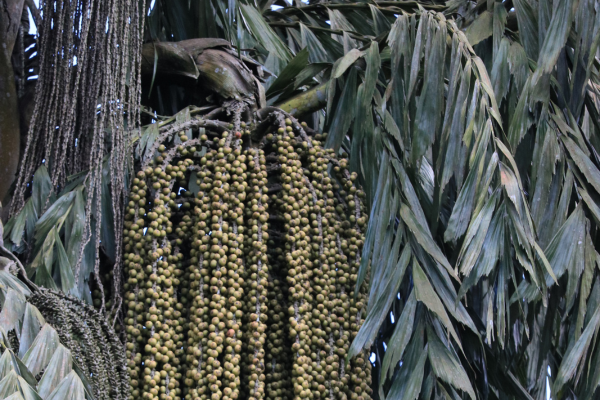
Sri Lanka’s traditional practice of Kithul Madeema or Kithul Kapeema—the art and science of extracting sap from the Kithul palm (Caryota urens)—stands as a remarkable example of indigenous knowledge passed down through generations. Rooted deeply in rural life, ecology, and cultural identity, this age-old practice has now received global recognition with its inscription on the UNESCO Representative List of the Intangible Cultural Heritage of Humanity. This honour acknowledges not only the technical skill involved, but also the cultural values, sustainability, and communal wisdom embedded in the tradition.
An Ancient Practice Intertwined with Nature
Kithul Madeema dates back centuries and is predominantly practised in Sri Lanka’s wet zone regions such as Sabaragamuwa, Kandy, Kegalle, Ratnapura, and parts of the Southern Province. The Kithul palm thrives naturally in forested and hilly landscapes, requiring no artificial cultivation, making the practice inherently eco-friendly.
Unlike commercial extraction methods, Kithul Madeema relies on an intimate understanding of the palm’s life cycle, seasonal rhythms, and environmental conditions. The practitioner, traditionally known as the Kithul tapper, selects a mature palm and carefully prepares its flowering shoot for sap extraction. This process demands patience, precision, and respect for nature—qualities honed through years of apprenticeship and lived experience.
Indigenous Technology and Skilled Craftsmanship
Kithul Kapeema is often described as an indigenous technology because it combines practical science with traditional wisdom. The tapper uses handmade tools and techniques refined over generations to gently bruise, tie, and slice the inflorescence to stimulate sap flow without harming the tree.
Sap is collected twice daily, usually at dawn and dusk, in specially prepared clay or metal containers. The fresh sap can be consumed as a mildly sweet drink, or boiled to produce Kithul treacle (panī), jaggery (hakuru), or fermented to make toddy, which may later be distilled into arrack. Every stage of processing reflects careful temperature control, timing, and sensory judgement—skills that cannot be mechanised or rushed.
Cultural and Social Significance
Beyond its technical aspects, Kithul Madeema plays a vital role in Sri Lanka’s social and cultural fabric. Knowledge of the practice is traditionally passed down within families and communities, reinforcing intergenerational bonds. Rituals, beliefs, and customs often accompany the work, including practices related to auspicious timings and respect for forest spirits.
Kithul products hold an important place in Sri Lankan cuisine, Ayurvedic medicine, and religious observances. Kithul treacle and jaggery are valued as natural sweeteners, while Kithul flour, extracted from the palm’s pith, is used in traditional sweets and healing diets. Thus, the practice contributes not only to livelihoods but also to food heritage and wellbeing.
Sustainability and Environmental Harmony
One of the most compelling aspects of Kithul Madeema is its sustainability. The practice promotes minimal intervention, allowing palms to regenerate naturally. When carried out correctly, sap extraction does not destroy the tree, ensuring long-term productivity and forest conservation.
This harmonious relationship with nature aligns strongly with UNESCO’s emphasis on safeguarding living heritage that supports biodiversity and sustainable development. In an era of climate change and ecological stress, Kithul Madeema offers a valuable model of resource use rooted in balance rather than exploitation.
UNESCO Recognition and Its Importance
The inscription of Kithul Madeema/Kithul Kapeema on UNESCO’s Intangible Cultural Heritage list is a moment of pride for Sri Lanka. It brings international visibility to a tradition long sustained by rural communities, often with little recognition or support.
More importantly, UNESCO recognition helps encourage documentation, transmission, and safeguarding of the practice. It opens pathways for policy support, youth engagement, ethical tourism, and fair market access for traditional producers—ensuring that the knowledge does not fade under pressure from modernisation and industrial substitutes.
Preserving a Living Heritage
As Sri Lanka moves forward, protecting traditions like Kithul Madeema is essential for maintaining cultural diversity and identity. Encouraging younger generations to learn the craft, supporting practitioners with fair pricing, and integrating traditional knowledge into education and heritage programmes are key steps toward sustainability.
Kithul Madeema is not merely a method of sap extraction—it is a living expression of Sri Lanka’s relationship with its land, forests, and community values. Its recognition by UNESCO affirms that ancient wisdom still holds relevance today, offering lessons in sustainability, resilience, and respect for nature.