


Cholesterol Gets the Attention — But High Triglycerides Are Sri Lanka’s Silent Killer-by Harold Gunatillake

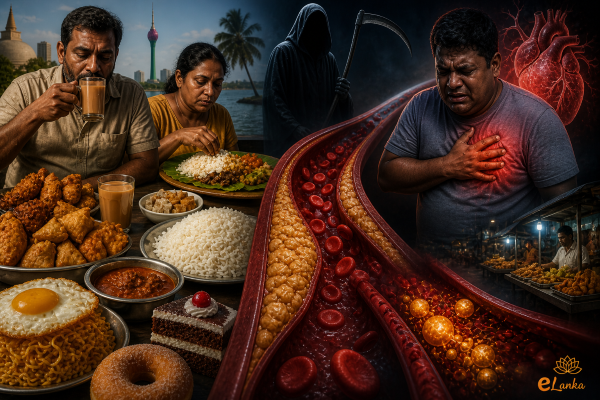
For many years, Sri Lankans have been encouraged to “watch your cholesterol.” But there’s another blood fat that’s even more concerning, more widespread, and rapidly rising across the island:
Triglycerides.
If cholesterol is the main villain everyone debates, triglycerides are like the stealthy assassin that often escapes notice — especially in a country where sugary tea, rice-heavy meals, and fried street foods are part of everyday life.
Why triglycerides matter more than you think
Triglycerides are the fats your body creates when you have a little too much sugar, rice, alcohol, and calories. When these fats get too high, they can lead to some health issues.
- Severe heart disease
- Pancreatitis (a life-threatening condition)
- Fatty liver
- Insulin resistance
- Metabolic syndrome
- Rapid progression to diabetes
High cholesterol takes years to cause damage. High triglycerides can cause damage in months.
The Sri Lankan lifestyle that fuels the problem
Let’s take an honest look at how we’re living these days.
- Three cups of sweet milk tea a day
- Rice portions that could feed two people
- Fried rice, kottu, rolls, and pastries as daily meals
- Weekend alcohol
- Sitting long hours at desks or in traffic
- No structured exercise
This is the perfect recipe for sky-high triglycerides, even in people who are not overweight.
It’s often surprising for many Sri Lankans with normal cholesterol to learn that their triglyceride levels can sometimes be above 300, 400, or even 600 mg/dL — levels that could increase the risk of pancreatitis. This really shows how important it is for us to keep an eye on our health and take proactive steps to stay well.
Why doctors worry more about triglycerides than cholesterol
- Triglycerides rise faster and more dramatically
One heavy meal, one weekend of drinking, or one month of poor eating can send triglycerides soaring.
2. They directly damage the pancreas
Cholesterol doesn’t do that. Triglycerides can cause acute pancreatitis, a medical emergency.
3. They are tightly linked to diabetes
Sri Lanka has one of the fastest-growing diabetes rates in Asia. High triglycerides are often the first warning sign.
4. They reflect lifestyle more accurately
Cholesterol can be genetic. Triglycerides are almost always
lifestyle-driven — and therefore fixable.
Why Sri Lankans are especially vulnerable
Several cultural and dietary habits here can increase the risk of high triglyceride levels, making it a greater concern.
Understanding these factors can help us take better care of our health.
- High-carb meals (large rice portions, string hoppers, hoppers, bread)
- Sugary drinks (milk tea, Milo, soft drinks)
- Fried foods cooked in reused oil
- Alcohol (especially arrack and beer)
· Low vegetable intake
- Minimal physical activity
Even a slim Sri Lankan can have dangerously high triglycerides because it’s a metabolic issue, not just about weight.
The belly tells the story.
That new Sri Lankan “prominent belly” — even on people who are otherwise slim — can be a sign of visceral fat. This type of fat is closely linked to high triglyceride levels, which is important to keep in mind.
If your waist is:
- Men: over 90 cm
- Women: over 80 cm You are already at high
What Sri Lankans can do — starting today
You don’t have to rely on costly diets or supplements. Just small, simple changes can make a big difference in your journey!
- Cut sugar in tea
- Reduce rice portions by 25%
- Avoid fried foods on weekdays
- Limit alcohol to special occasions
- Add mallum, gotukola, and fresh vegetables daily
- Walk 30 minutes a day
- Replace evening short eats with fruit or nuts
- Drink more water, fewer sugary drinks
Triglycerides respond quickly — often improving within 4–6 weeks.
The bottom line
Sri Lanka has been paying close attention to cholesterol for many years. However, the true concern — the one causing numerous visits to clinics for heart disease, fatty liver, and early diabetes — is actually high triglycerides.
This is the number every Sri Lankan should check, understand, and control.
Because while cholesterol whispers gently, triglycerides shout — and we’ve been overlooking their signals.