Sri Lanka Opens Its First Dedicated Textile Industrial Park in the Eastern Province to Global Investors
Sri Lanka’s apparel sector has reached another significant stage in its industrial development, following the reported opening of the country’s first dedicated textile industrial park in the Eastern Province, where the Board of Investment of Sri Lanka is presenting a modern, eco-conscious manufacturing base to international investors, global apparel brands and strategic industry partners.
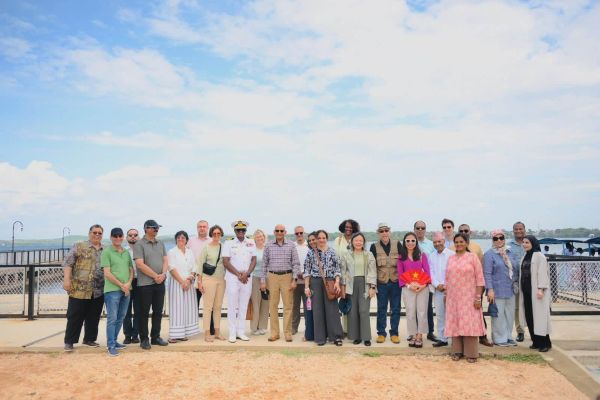
The development was featured in the Sri Lanka Rupavahini Corporation national news telecast of 21 September 2026, during a report on a diplomatic and investment visit to the Ira textile manufacturing zone, also identified in investment references as the Eravur textile manufacturing zone. The visit was intended to demonstrate that Sri Lanka is open for investment, operationally prepared and capable of supporting sophisticated textile manufacturing at a time when global producers are seeking resilient, efficient and sustainable supply chains.
Positioned in the Eastern Province, the 275-acre industrial hub has been designed to address one of the most persistent structural gaps within Sri Lanka’s apparel economy: the substantial dependence on imported textile inputs. Although apparel remains one of the country’s most important export industries, generating approximately 46 per cent of export revenue and around USD 5 billion annually, more than 70 per cent of the raw materials required by the sector are imported, at an estimated annual cost of USD 2.8 billion.
The textile park is therefore intended to retain a greater share of production value within Sri Lanka, allowing fabric, yarn and other textile inputs to be manufactured, processed and finished locally before being supplied to apparel producers and international markets.

A new industrial platform for Sri Lanka’s established apparel expertise
Sri Lanka has built a strong international reputation for apparel manufacturing through its emphasis on quality, ethical production, technical skill and long-term relationships with global brands. However, the country’s traditional strength in garment assembly has existed alongside a continuing need to import many of the materials used in production.
The Ira/Eravur textile manufacturing zone represents an attempt to complete more stages of the value chain within the country, thereby improving industrial resilience while creating new opportunities for local manufacturers, international investors and supporting service providers.
As reported by Rupavahini, the park has been developed as a flagship initiative directly spearheaded by the Board of Investment of Sri Lanka. Its strategic importance lies not simply in the construction of factories, but in the creation of a specialised ecosystem containing high-capacity heating, dyeing and finishing facilities, water-treatment infrastructure, efficient boilers, transport access and facilities intended to support multiple industrial plants.
The zone is also reported to benefit from direct rail connections and access to a port, which could assist the movement of imported machinery, raw materials and finished textile products. Such connectivity is instrumental for manufacturers operating within international production schedules, where reliability, turnaround times and the efficient movement of goods can influence investment decisions as strongly as labour costs or land availability.

Local value addition and international market access
One of the strongest investment arguments presented in the broadcast was the connection between local textile production and international rules of origin.
For exporters selling into major markets, simply assembling garments from imported fabrics may not always satisfy the required thresholds for local or regional processing. The ability to undertake several stages, including weaving, dyeing, finishing and other forms of textile preparation within Sri Lanka, can strengthen the country’s position under relevant trade arrangements and supply-chain rules.
The report stated that the new zone would help exporters fulfil critical European Union and United States rules of origin, while enabling access to unrestricted duty-free opportunities in major global markets. It also highlighted tax exemptions and preferential European market access under the GSP Plus framework as important advantages for eligible investors and exporters.
These incentives, combined with local production capacity, could make the industrial park particularly attractive to global manufacturers seeking to diversify their sourcing networks and reduce dependence on distant or concentrated supply bases. The ability to produce essential materials close to garment factories may also reduce lead times, improve quality control and allow Sri Lankan manufacturers to respond more quickly to changing consumer requirements.
Further information on investment opportunities in Sri Lanka is available through the Board of Investment of Sri Lanka.
JJ Textiles provides an early sign of confidence
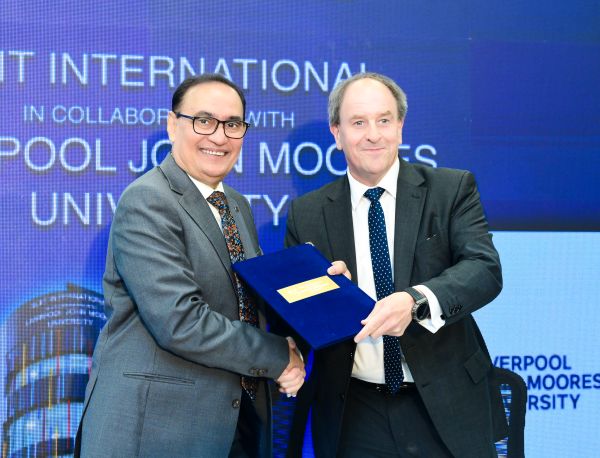
The park has already recorded an important early milestone, with JJ Textiles officially launching a new manufacturing operation within the zone in partnership with the Board of Investment.
In collaboration with the BOI, the company briefed diplomats and foreign representatives on the textile manufacturing zone, its own experience in the region and the production processes being introduced at its facility. The presence of an operating manufacturer offers a practical demonstration of the zone’s capabilities, moving the development beyond a conceptual investment proposal and towards an active industrial destination.
Mr Deepak Kumar Sharma, Chief Operating Officer of JJ Textiles, described cooperation with the BOI as a valuable opportunity in several respects. He explained that the plant’s equipment had been imported and was fully automated, while the BOI framework provided significant benefits relating to the duties and taxes associated with importing and exporting high-efficiency, high-capacity machinery.
He also referred to the special water-treatment plants and high-efficiency boilers developed within the zone, which form part of the infrastructure required for modern textile production. These facilities are particularly important because dyeing and finishing can be resource-intensive processes, requiring careful management of water, heat, chemicals and waste.
Mr Sharma further explained that JJ Textiles had chosen the area partly because fewer factories were operating there, while its assessment identified strong local potential, including good universities and a large population. The availability of nearby educational institutions may support future recruitment, technical training and the development of a skilled workforce capable of managing increasingly automated machinery.

Diplomatic interest in the Eastern Province
The diplomatic visit also provided an opportunity for representatives of foreign missions to examine the industrial prospects of the Eastern Province directly.
One visiting diplomat described the tour as a valuable opportunity to observe economic initiatives in the region, noting that the zone could provide a boost to local communities and businesses. The representative also referred to the cordial and historical relationship between Pakistan and Sri Lanka, while indicating an intention to communicate the investment opportunities to Pakistan’s industrial and business community.
The participation of a Pakistani representative was particularly relevant because Pakistan possesses a substantial textile and apparel industry, creating scope for investment dialogue, technical cooperation and commercial partnerships between the two countries.
A Vietnamese representative also expressed interest in the potential for cooperation. Vietnam has developed a major garment and textile industry, and the representative noted that approximately 30 Sri Lankan businesspeople were already working in Vietnam’s garment sector. Following the visit, Vietnamese investors were encouraged to explore the facilities, policies and investment potential available in the Eastern Province and other parts of Sri Lanka.
The diplomatic feedback suggested that the park could become a foundation for broader regional cooperation, with investors from established textile-producing countries examining Sri Lanka as a location for additional manufacturing capacity.
Eastern Province emerges as an industrial destination
The development of the textile park has significance beyond the apparel sector. For decades, industrial concentration in Sri Lanka has been more closely associated with the Western Province, while the Eastern Province has possessed considerable land, labour, educational and logistical potential that has not always been fully converted into large-scale manufacturing activity.
The new park could help alter that pattern by establishing a substantial industrial base in the region, generating thousands of jobs and creating demand for transport, accommodation, maintenance, engineering, logistics, education and other supporting services.
The diplomatic representatives who toured the facility expressed the view that more similar factories could be established in the region in the coming years, improving provincial economic conditions and creating new opportunities for local communities. The visit was arranged with the involvement of the Ministry of Foreign Affairs and the Board of Investment, demonstrating the importance of coordinated investment promotion when a project is intended to serve both national industrial policy and regional development.
Sri Lanka’s first dedicated textile industrial park therefore represents more than a new group of factories. It is a strategic effort to strengthen local value addition, reduce the cost of imported inputs, support trade access and extend the country’s apparel heritage into a more complete textile manufacturing capability.
If successfully expanded, the Ira/Eravur zone could become an important link between Sri Lanka’s experienced garment producers and a new generation of textile manufacturers, while positioning the Eastern Province as a credible destination for sustainable industrial investment across Asia.
Source: https://www.youtube.com/live/XBbe0fBLsBM?si=4a4_49EdjpzOzrTD
This article was written based on the source https://www.youtube.com/live/XBbe0fBLsBM?si=4a4_49EdjpzOzrTD, kindly email us at info@eLanka.com.au if any information needs to be corrected.
At eLanka, we respect the rights of creators. If we have used an image you own and you’d like it removed, please email us at info@elanka.com.au and we’ll handle it promptly.