News & Community eLanka

eLanka

Thursday, 15 Oct 2026
  • Home
  • Read History
  • Articles
    • eLanka Journalists
  • Events
  • Useful links
    • Obituaries
    • Seeking to Contact
    • eLanka Newsletters
    • Weekly Events and Advertisements
    • eLanka Testimonials
    • Sri Lanka Newspapers
    • Sri Lanka TV LIVE
    • Sri Lanka Radio
    • eLanka Recepies
  • Gallery
  • Contact
Newsletter
Sri lankan news
  • eLanka Weddings
  • Property
  • eLanka Shop
  • Business Directory
eLankaeLanka
Font ResizerAa
Search
  • Home
  • Read History
  • Articles
    • eLanka Journalists
  • Events
  • Useful links
    • Obituaries
    • Seeking to Contact
    • eLanka Newsletters
    • Weekly Events and Advertisements
    • eLanka Testimonials
    • Sri Lanka Newspapers
    • Sri Lanka TV LIVE
    • Sri Lanka Radio
    • eLanka Recepies
  • Gallery
  • Contact
Follow US
© 2005 – 2026 eLanka Pty Ltd. All Rights Reserved.
Home » Goodnews Stories Srilankan Expats » Articles » Avurudu: A time of transformation-By Pramod de Silva
Articles

Avurudu: A time of transformation-By Pramod de Silva

eLanka admin
Last updated: April 12, 2024 3:22 pm
By
eLanka admin
ByeLanka admin
Follow:
Share
13 Min Read
SHARE
Views: 94

Avurudu: A time of transformation-By Pramod de Silva

elanka

Source:Sundayobserver

elanka

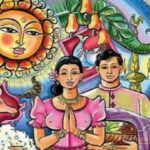
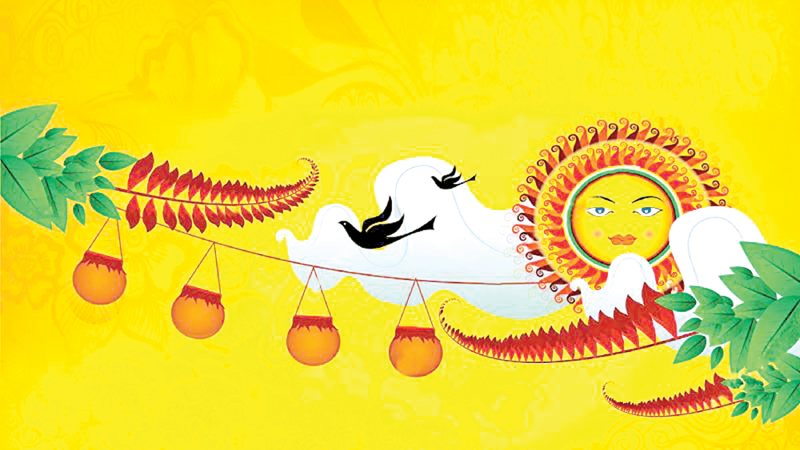
The Sinhala and Tamil New Year is all about transition. Astrologically, the reason is the transit of the Sun from Pisces (Meena) to Aries (Mesha). Traditionally, it marks the season where farmers and others pay homage to the Sun for a bountiful harvest, which gives them new hopes. In other words, a period of transition in their lives, a sort of renewal and transformation.

The roots of the traditional New Year go back thousands of years. In fact, Oriental cultures have based their calendars – and daily life – around the movements of the Sun and the Moon for millennia. The festival is based on the fact that the Sun gives us life. Our food is literally made by the Sun through the process of photosynthesis, which is really the basis of all life on Earth. Thus the New Year traditions evolved as a result of farmers expressing their gratitude to the Sun and Nature for a bountiful harvest, paving the way for a transformation in their lives.

In fact, the very word “Sankranthi” (transition) derived from Sanskrit says it all. Variations on this theme can be found in virtually all Asian countries. For example, in Thailand the traditional New Year period is known as “Songkran”, derived from Sanskrit.

Life begins anew

It is easy to see why the traditional New Year is thought of as a rejuvenation of one’s soul. Avurudu, as the Sinhala and Tamil New Year is often called in Sri Lanka, is an occasion to forget the past and forgive one’s adversaries. After all, life is too short to hold onto grudges. In coming to terms with the past and reconciling with any person or persons with whom you had some sort of disagreement, you become a new person. Life thus begins anew at Avurudu. Significantly, the Sinhalese word “Bak” for the month of April signifies “fortune”, being a derivative of the Sanskrit root word Bhagya, which also is a common name in many Asian countries.
elanka

A lot of people view the auspicious times associated with the Avurudu with disdain in this high-tech age, but they teach us the value of time and punctuality. They also emphasise the importance of familial links. When practically everyone kindles the flames of the hearth at the same time, that sets the tone for working on time for the rest of the year. The auspicious time for “Ganu-Denu” or transactions is another opportunity to renew our bonds within the family and even outside of it. Many banks give their customers an opportunity to engage in banking transactions at this exact time, bringing a touch of prosperity to their lives. Incidentally, the word “Ganu Denu” loosely translates to “Give and Take”, which is an appropriate lesson for our lives. This points to the need for a bit of compromise in everything we do.

The symbolic conduit for Ganu Denu in Sri Lanka (as well as in neighbouring India) is the humble sheaf of betel leaves, called Nagawalli in ancient times. There are many legends associated with the betel leaf which has become a pivotal item in New Year festivities. Again, the betel leaf symbolises our close affinity with Nature. It is thought of as a harbinger of prosperity.

Significance

Avurudu reminds us of the importance of respecting our elders. Hence the practice of worshipping parents and elderly relatives when the New Year dawns. But there is another higher purpose – giving someone a sheaf of betel leaves means that you have forgotten or forgiven any enmity, misunderstanding or anger that may have caused a rift in the year gone by. Thus Avurudu is a season for Giving – as well as for Forgiving. It is a time where everyone in the family and the neighbourhood gets together in a spirit of harmony and peaceful co-existence.

Another important part of Ganu Denu is commencing some sort of work for the first time in the New Year. Called Weda Alleema in Sinhala and Er Mangalam according to Hindu traditions, this calls for starting some work that would bring prosperity to oneself and the family throughout the year. For example, a student can study a lesson and a farmer can work on his field.

The somewhat related auspicious time for leaving for work is often overlooked, but it also teaches us the importance of respecting the work or job that we do. This also marks a new beginning in our working lives, at a time when there is a raging debate on work-life balance. We need both in our lives, but if we are happy about our job, life at home and in the wider society will automatically be much better. Most people neglect this aspect, leading to unnecessary misery in their lives. A fresh beginning in our job, regardless of whether you are the employer or an employee, will brighten the whole year.

A new “nekatha” or auspicious time has come to the fore in recent years – for planting a sapling. At a time when the world is facing the spectre of Climate Change and other ecological disasters, this is one simple way in which we can address those pressing concerns. Every tree that we plant literally gives us fresh air, which is sorely needed by our polluted world. We lose the global rainforest cover at the rate of 10 football pitches every minute, so every little tree helps mitigate that vast, almost unfathomable loss.

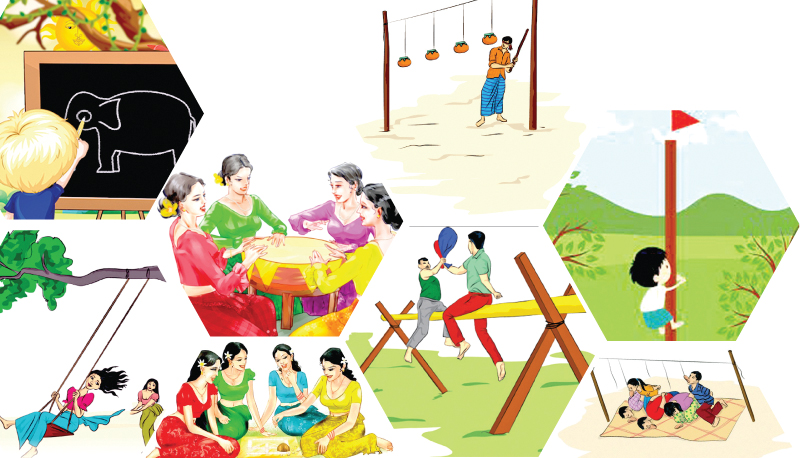
Avurudu is also about ensuring the bonds that bring us together in society – and what better way than traditional games to do it? From pillow fighting to cross country running, Avurudu games bring the entire village together for a day filled with fun and laughter. There are no winners and losers in these games – everyone wins in the end, as the villagers and townsfolk get together in a spirit of camaraderie. This is a great time especially for the children, who can get away from studies and in today’s context, various screens and devices, for a day of fun outdoors.

Need to reinforce the bonds

The authorities must also make an effort to document and preserve some of the more traditional games such as olinda keliya, eluvan keliya, mevara sellama, buhu keliya, muthu keliya and mee sellama. Of course, these events are open to all, regardless of communal or religious differences. This is significant at a time when there is a dire need to reinforce the bonds among different communities and religious groups.

In a nutshell, this is what Avurudu is all about. It brings us all together – young and old. Better still, it showcases the harmony that exists among different communities in Sri Lanka, as everyone in the village joins in the Avurudu frolic, regardless of community and religion. Avurudu has transcended such man-made boundaries and become a national festival celebrated by all Sri Lankans wherever they live, in Sri Lanka or overseas. That is what Sri Lanka should be – a country where all people live in harmony and take pride in each other’s cultural norms and traditions. In fact, Muslims celebrate Eid-Ul-Fitr just the day before Sinhala and Tamil New Year, highlighting our unique multi-cultural, multi-ethnic identity.


Avurudu is a joyous occasion – what would it be without all those sweetmeats? Some of the Avurudu sweetmeats are found nowhere else on Earth. Kavum, Kokis, Athirasa, Bibikkan, Mun Kavum, Peni Walalu, Aasmee and many other types of sweetmeats adorn the Avurudu table, along with alien arrivals such as cake and biscuits.


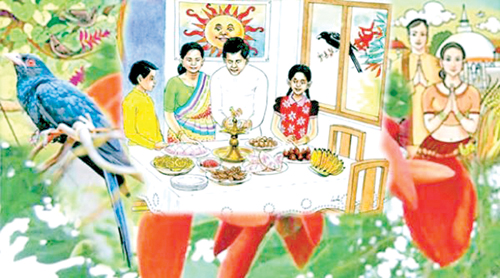
No Avurudu table can be complete without the obligatory Kiribath (Milk Rice), which is the first item cooked to mark the dawn of the year. The overflowing of milk in this instance symbolises happiness and prosperity for the entire family and even the country. In many Hindu households, a sweet rice is made with new raw red rice, jaggery, cashew nuts, ghee and plums.

The Avurudu table brings everyone together. This is very important in a society where the tradition of family sit-down meals has disappeared for all intents and purposes. Today’s pressures to relentlessly pursue money and differing interests/work hours of family members mean that no one has the time to enjoy a sit-down meal over free-flowing conversation and plenty of laughter.

At best, the whole family might have eyes glued to the television while having dinner with no conversation at all. Family bonds have taken a severe beating due to modern lifestyles but Avurudu reminds us that we can – and should – do better to keep families together. But Avurudu cannot be confined to one’s home or village. Avurudu gives us an opportunity to visit far-flung friends and relatives at least once a year with plenty of gifts and sweetmeats in hand.


Spiritual element of Avurudu


There is a massive rush to go to villages, with buses and trains filled to capacity. This is also one of the few chances for those based in the cities to go back to their villages for a few days to get in touch with their roots, so to speak.

Avurudu also has a spiritual or religious element, though the commercial elements may sometimes overshadow it. The Punya Kaalaya (literally a time for meritorious deeds) or Nonagathaya (literally a period with no auspicious times) is designed to let us visit the Vihara or the Kovil to purify our souls. This is indeed a lacuna that we need to fill, as we have moved away from religion in a highly commercialised world.

Avurudu is sometimes likened to a person, through the reference to an Avurudu Kumaraya (New Year Prince). He is supposed to be a radiant individual who brings prosperity to the whole village and the whole country.

Avurudu is a time for a fresh start in every sphere of our lives.

Avurudu marks a deviation from the old routine and signals that we are ready to take on new challenges in the coming year. Avurudu gives us fresh hope for a successful, bountiful year ahead.

It is also a time for committing ourselves to new resolutions to become better persons in every possible way.
elanka

Click here to receive your free copy of the eLanka Newsletter twice a week delivered directly to your inbox!

TAGGED:Avurudu KumarayaSinhala and Tamil New Year
Share This Article
Facebook Whatsapp Whatsapp LinkedIn Email Copy Link Print
Previous Article Belihul Oya-eLanka Why Belihul Oya is our favourite Sri Lankan travel destination
Next Article sinhala and tamil new year Ageless Celebration-By Samangie Wettimuny
FacebookLike
YoutubeSubscribe
LinkedInFollow
- Advertisement -
eLankaproperty - sell property in Sri Lanka, Sri Lanka property for sale, Sri Lanka real estate, Sri Lanka property listings, property marketplace Sri Lanka, land for sale Sri Lanka, houses for sale Sri Lanka, apartments for sale Sri Lanka, commercial property Sri Lanka, luxury villas Sri Lanka, Sri Lankan property investment, buy property in Sri Lanka, Colombo property for sale, beachfront property Sri Lanka, development land Sri Lanka, investment property Sri Lanka, property advertising Sri Lanka, real estate agents Sri Lanka, property brokers Sri Lanka, overseas Sri Lankan property buyers, Sri Lanka property website, list property online Sri Lanka, affordable property listings Sri Lanka, Sri Lanka homes for sale, Sri Lanka land investment, property developers Sri Lanka, real estate marketplace Sri Lanka, Sri Lanka commercial real estate, sell land in Sri Lanka, sell house in Sri Lanka, Sri Lanka property portal, global property marketplace Sri Lanka, Sri Lankan real estate investment, property management Sri Lanka, buy land Sri Lanka, residential property Sri Lanka, holiday homes Sri Lanka, Sri Lanka investment opportunities, real estate advertising Sri Lanka, eLankaProperty
- Advertisement -
ALTAIR
- Advertisement -
Ad image
eLanka Wedding
Most Read
Sandika Hemakumari

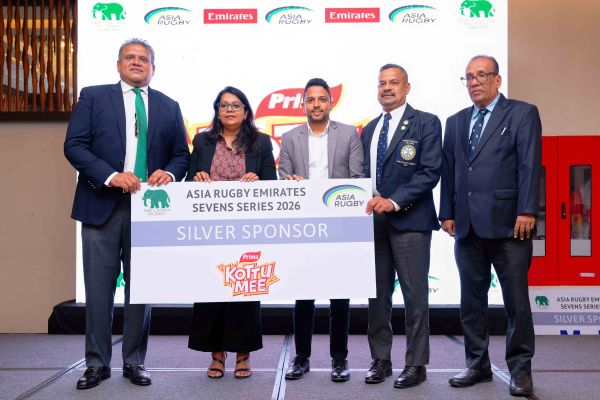
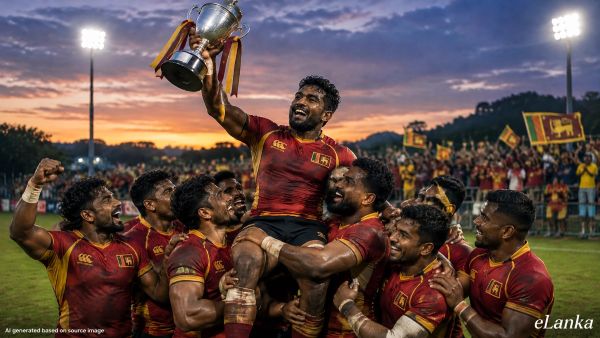
Sandika Hemakumari to Captain Sri Lanka’s Women’s Sevens Squad at the Colombo Leg of the Asia Rugby Sevens Series

Sri Lankan junior tennis players

Three Sri Lankan Girls Reach the ATF Under-16 Quarter-Finals in Colombo

Otherland Galle Opens on Sri Lanka’s Southern Coast With a Locally Built Approach to Hospitality AI-generated illustration based on source material. No authentic photograph of the Otherland Galle property is embedded in this article. Otherland Hotels opened its first property, Otherland Galle, on 12 October 2026, introducing a 66-key lifestyle hotel that brings together accommodation, dining, music and locally curated experiences on Sri Lanka’s southern coast. The opening adds a new hospitality concept to a region known for its beaches, historic Galle Fort and established surf culture, with the hotel’s programme designed to encourage visitors to engage with the wider destination as well as the property. Located on Matara Road, Otherland Galle is approximately 400 metres from Dewata Beach and 2.8 kilometres from Galle Fort, the UNESCO World Heritage Site. The hotel draws on the area’s culinary traditions, creative communities and coastal way of life, positioning local experiences as a central part of its offer rather than an optional addition to a conventional hotel stay. Founded by Rishi Sreedharan, Samarth Gowda and Emanuel Siddhartha in partnership with Beryll Group, Otherland Hotels is built around the philosophy “Never the Same Twice”. Its approach combines private rooms and suites with shared accommodation and communal spaces intended for different kinds of travellers, from couples and groups of friends to solo visitors and culturally curious guests. The co-founders, pictured from left: Emanuel Siddhartha, Rishi Sreedharan and Samarth Gowda. Source photograph: Lanka Business News. A design-led mix of rooms and shared spaces Designed by Studio Camarada, led by Andre Camara, the hotel has been arranged as a series of interconnected spaces rather than a conventional sequence of corridors and separate facilities. Its interiors draw on the colours and materials of the southern coast, including sandy neutrals, ocean blues and earthy tones, alongside rattan, ash, hand-tufted textiles and marble finishes. The 66-key accommodation comprises 24 Ocean Rooms, 25 Terra Rooms, 12 suites and five dormitories. Room sizes range from 27 square metres to the 70-square-metre Patio Suite, while the property also includes rooms designed for guests with disabilities. The mix offers a range of accommodation formats within one property, including shared dormitory options alongside private rooms and suites. At ground level, Bar-kery combines several functions: reception, coffee shop, bakery, aperitivo counter and informal co-working space. Its Vinyl Corner invites guests to browse records and choose music, giving the communal area a more participatory character. Colombo Coffee Company has developed an exclusive signature blend for the hotel. AI-generated illustrative image based on the reported design approach; it is not a photograph of Otherland Galle. The rooftop venue Creatures brings together a restaurant, cocktail bar, infinity pool and music space, with 270-degree views of the Indian Ocean. It is intended to serve as a daytime dining and swimming venue as well as an evening social space, linking the hotel’s food and music programmes with its coastal setting. Sri Lankan flavours, music and a sense of place The food programme is led by Chef Rajeev Kumar and draws on Sri Lankan culinary traditions, alongside international influences and contemporary techniques. Dishes listed for the menu include King Coconut Ceviche, Yellowfin Tuna Tataki, Lankan Fish Cutlets and Devilled Pork Ribs glazed with kithul treacle. A Watalappam Brûlée brings a familiar Sri Lankan dessert into a contemporary format. Arijit Bose leads the cocktail programme, while Aneesha Thapa manages day-to-day operations. Music is another part of the hotel’s identity, with programming across Afro, R&B, folk, funk, jazz fusion, house, techno and electronica. The combination of food, music and shared spaces is intended to make the property relevant to both visitors and people from the surrounding area. Co-founder Samarth Gowda described the approach as one intended to make the hotel feel accessible and personal: > “Otherland Galle should feel like yours from the moment you walk in. Luxury has often come with a sense of distance, with places appearing impressive because they do not feel accessible to everyone. That is not what we are building. Everything here is designed around who you are and how you want to spend your time.” AI-generated illustration of ingredients associated with Sri Lankan culinary traditions; not a photograph of the hotel’s kitchen or menu. The Other Side: experiences created with local communities A key element of the concept is The Other Side, an experiences programme developed in collaboration with local surfers, fishermen, artisans, guides, chefs and musicians. The activities are designed to connect guests with people and places beyond the hotel, while drawing on knowledge and skills already present in the Galle region. The programme includes curry masterclasses, guided walks through Galle Fort and surf lessons at Dewata Beach. Further afield, guests can take whale-watching excursions off Mirissa or kayak through the mangroves of Koggala Lake. Rooftop sunset sessions, arrack tastings, beach cricket and tuk-tuk bar crawls are among the social activities described as part of the offer. This community-led model gives local participants a role in shaping and delivering visitor experiences, rather than presenting the area only as a backdrop for sightseeing. Its longer-term value will depend on how consistently these partnerships are sustained and how directly local contributors benefit from the activity they help create. Co-founder Rishi Sreedharan said: > “At Otherland, curiosity is the operating principle. We measure success by whether guests leave with a real sense of Galle. The surfers, fishermen, chefs and craftspeople who live here have helped build these experiences, and they are the ones bringing them to life.” AI-generated coastal illustration based on the article’s setting; it does not depict a verified view from the property. A new option for visitors to Galle The opening marks the first phase of Otherland Galle’s development. A gym, wellness centre and banquet facilities are planned for a subsequent phase. The property’s initial offer, however, is already structured around more than its room inventory: its communal areas, food and beverage venues, music programme and locally developed activities form a connected hospitality concept. For Sri Lankans abroad planning a visit home, the opening provides another option near Galle, with a programme that brings together coastal recreation, local food, heritage and community knowledge. For the Galle area, the approach places local contributors at the centre of the visitor experience. Whether the model makes a lasting contribution will be measured not only by the facilities it offers, but also by the strength and continuity of those relationships. The launch also reflects a wider interest among culturally curious travellers in experiences that extend beyond accommodation and conventional sightseeing. In Galle, where historic landmarks sit alongside a living coastal culture, the opportunity is to create hospitality that is carefully designed while remaining connected to the people and traditions that give the destination its character. Sources: Lanka Business News; Colombo Times; Hiru News Gold FM; SoulofHospitality. This article was written based on the source https://www.lankabusinessnews.com/otherland-hotels-makes-its-debut-in-galle/ and corroborated by https://colombotimes.net/otherland-hotels-makes-its-debut-in-galle/, https://hirunews.lk/goldfmnews/493932/otherland-galle-opens-with-66-rooms-introduces-dormitories-to-luxury-hotel-mix and https://www.soulofhospitality.com/business/hotel-openings/otherland-hotels-enters-sri-lanka-with-a-new-approach-to-lifestyle-hospitality, kindly email us at info@eLanka.com.au if any information needs to be corrected. Click here to receive your free copy of the eLanka Newsletter twice a week delivered directly to your inbox! At eLanka, we respect the rights of creators. If we have used an image you own and you'd like it removed, please email us at info@elanka.com.au and we’ll handle it promptly. Thanks. eLanka team eLanka Disclaimer Content published on eLanka may be created by the eLanka team, submitted by contributors or third parties, reproduced or adapted from other sources with appropriate source acknowledgement, or provided as promotional/advertising material by our clients. While eLanka takes reasonable care in preparing and publishing content, we do not warrant its completeness or accuracy. Views expressed are those of the respective authors or contributors and do not necessarily represent the views of eLanka. Third-party contributors, content providers and advertisers are responsible for the accuracy of material they supply and for ensuring they hold the necessary rights and permissions for its publication. Advertising and promotional content should not be regarded as an endorsement by eLanka of any product, service or claim.

Otherland Galle Opens on Sri Lanka’s Southern Coast With a Locally Built Approach to Hospitality

Dilmah SIAL Paris 2026

Dilmah’s Three Innovations Selected for SIAL Paris 2026 as Company Named a Top Five SIAL For Change Finalist

Sigiriya Sri Lanka

WHY WOULD A KING BUILD HIS PALACE ON TOP OF THIS ROCK?

Related News
Re-writing history – the queer-washing of prolific Sri Lankan artist George Beven  ( PART ONE ) – by   Cat Clare Wright
Articles

Re-writing history – the queer-washing of prolific Sri Lankan artist George Beven ( PART ONE ) – by Cat Clare Wright

Sash Jayasinghe – 4LANKA 1,400KM Sri Lanka Run 2027
Articles

Sash Jayasinghe’s 4LANKA: 1,400KM Around Sri Lanka – July 2027

A Vision for Culturally Inclusive Aged Care-Pearl Life Care Meets with Hornsby Shire Council
Articles

A Vision for Culturally Inclusive Aged Care: Pearl Life Care Meets with Hornsby Shire Council

Janani Dananjana Wickramasinghe at Asian Para Games 2026
Articles

Janani Dananjana Wickramasinghe Carries Sri Lanka’s Medal Hopes in Three Events at the Asian Para Games 2026

Sri Lanka U19 Women
Articles

Limansa Thilakarathna and Sanjana Kavindi Lead Sri Lanka U-19 Women Past Pakistan for a Fourth Straight Win

  • Quick Links:
  • Articles
  • DESMOND KELLY
  • Dr Harold Gunatillake
  • English Videos
  • Sri Lanka
  • Sinhala Videos
  • Obituaries
  • eLanka Newsletters
  • Sunil Thenabadu
  • Trevine Rodrigo
  • Dr. Harold Gunatillake
  • Tamil Videos
  • Sinhala Movies
  • eLanka Newsletter
  • Photos

eLanka

Your Trusted Source for News & Community Stories: Stay connected with reliable updates, inspiring features, and breaking news. From politics and technology to culture, lifestyle, and events, eLanka brings you stories that matter — keeping you informed, engaged, and connected 24/7.
Kerrie road, Oatlands , NSW 2117 , Australia.
Email : info@eLanka.com.au / rasangivjes@gmail.com.
WhatsApp : +61402905275 / +94775882546
  • About eLanka
  • Terms & Conditions

Disclaimer:
eLanka is committed to sharing positive and community-focused stories. We do not publish or endorse political, religious, or ethnic viewpoints. The content published on eLanka, including articles and newsletters, reflects the opinions and views of the respective authors and not those of eLanka. eLanka accepts no responsibility or liability for the accuracy, completeness, or consequences of any content provided by contributors.

(c) 2005 – 2025 eLanka Pty Ltd. All Rights Reserved.