Caryota urens: The Kitul Tree of Sri Lanka – By Nadeeka – eLanka
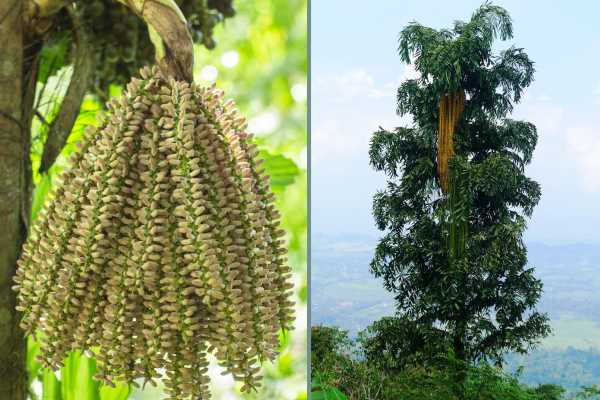
Caryota urens, widely known as the kitul tree, is an iconic species in Sri Lanka. This palm tree has significant cultural, economic, and ecological importance. Its diverse applications range from culinary delights to traditional crafts, making it a tree of immense value in Sri Lankan society. This article explores the history, uses, foods derived from the kitul tree, and provides a detailed recipe for making kitul hakuru.
History and Significance
Historical Context
The kitul tree has a storied history in Sri Lanka, tracing back thousands of years. Traditionally, it has been revered not only for its practical uses but also for its cultural and spiritual significance. Ancient Sri Lankans discovered the multitude of uses for this tree, from its sap, which is a source of natural sweetener, to its fibers, used in crafting and construction.
Cultural Importance
In Sri Lankan culture, the kitul tree is a symbol of abundance and versatility. It plays a vital role in traditional ceremonies and rituals. The sap, known as kitul pani, is often used in offerings and religious events, symbolizing purity and prosperity.
Botanical Description
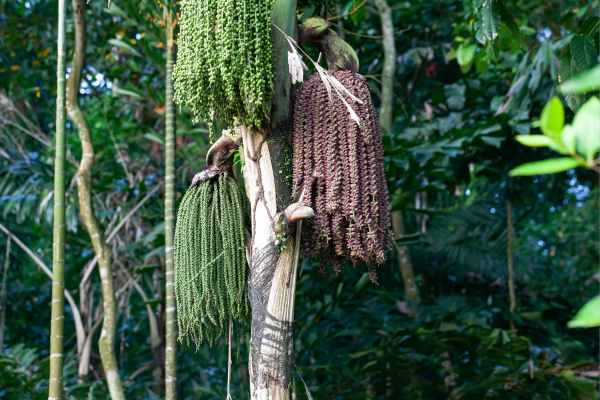
Caryota urens is a tall, unbranched palm that can reach heights of up to 20 meters. Its leaves are bipinnate, giving them a unique feathery appearance. The tree’s trunk is robust and straight, supporting large, drooping inflorescences that produce clusters of small, creamy-white flowers. These flowers eventually develop into fruits containing seeds used for propagation.
Cultivation and Harvesting
Growing Conditions
The kitul tree thrives in tropical climates, particularly in well-drained, fertile soils. It requires a warm, humid environment, typical of Sri Lanka’s lowland rainforests. Cultivating kitul involves planting seeds or young saplings in well-prepared soil, ensuring adequate water supply and protection from strong winds during the early stages of growth.
Harvesting Process
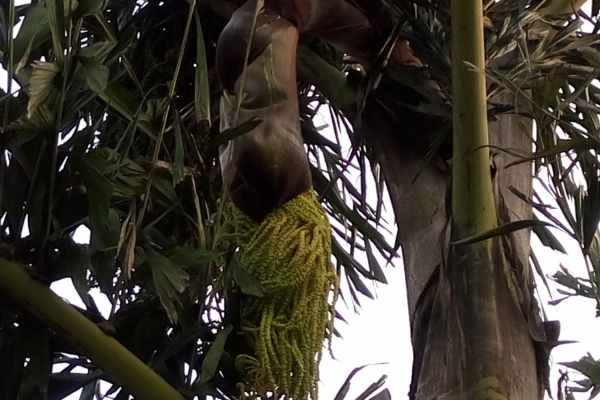
Harvesting kitul sap is an intricate process that requires skill and experience. Tappers climb the trees using traditional techniques, making precise incisions on the inflorescences to extract the sap. The sap collection involves tying clay pots to the cut ends of the inflorescences, allowing the sap to drip slowly over several hours.
Uses of Caryota urens
Culinary Uses
Kitul Pani (Kitul Treacle)
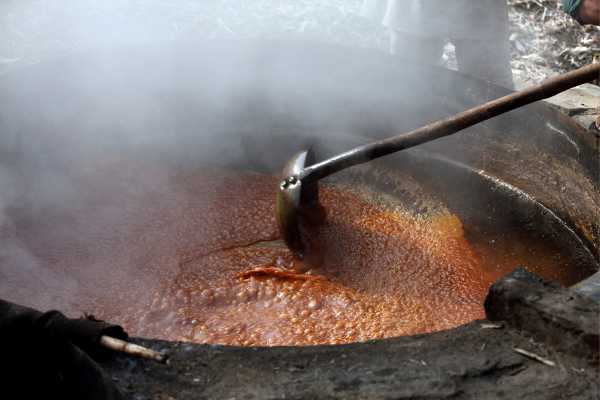
One of the most renowned products derived from the kitul tree is kitul pani, a natural sweetener similar to maple syrup. The sap collected from the inflorescences is boiled down to create a thick, amber-colored syrup. Kitul pani is cherished for its rich, caramel-like flavor and is used in various traditional sweets and desserts.
Kitul Hakuru (Kitul Jaggery)
Kitul hakuru, or jaggery, is another popular product made from kitul sap. The sap is boiled and crystallized to produce solid blocks of jaggery. It is used as a sweetener in cooking and baking, offering a unique taste that enhances the flavor of many Sri Lankan dishes.
Non-Culinary Uses
Fiber and Craftsmanship
The fibers from the kitul tree are strong and durable, making them ideal for various handicrafts. Traditionally, these fibers have been used to make ropes, brooms, and mats. The wood of the tree, although not commonly used for construction, can be utilized for making small tools and implements.
Medicinal Uses
In traditional Sri Lankan medicine, parts of the kitul tree are used for their therapeutic properties. The sap is believed to have medicinal benefits, such as aiding digestion and providing a natural source of energy. The roots and leaves are also used in various herbal remedies.
Kitul Foods and Recipes
Traditional Foods
Kitul Pani Delicacies
Kitul pani is a key ingredient in many traditional Sri Lankan sweets. Some popular dishes include:
- Watalappan: A rich coconut custard pudding sweetened with kitul pani and flavored with spices like cardamom and nutmeg.
- Pani Pol: A coconut and jaggery filling used in various pastries and sweets.
Kitul Hakuru Snacks
Kitul hakuru is enjoyed as a snack on its own or incorporated into other treats, such as:
- Hakuru Thalapa: A traditional sweet made with rice flour and kitul jaggery.
- Dodol: A sticky, toffee-like confection made with rice flour, coconut milk, and kitul jaggery.
Kitul Hakuru Recipe
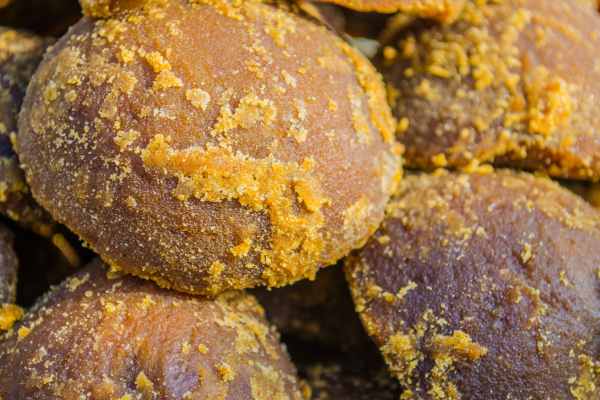
Here’s a detailed recipe for making kitul hakuru (kitul jaggery):
Ingredients
- 5 liters of fresh kitul sap
- 1 tablespoon lime water (calcium hydroxide solution)
Instructions
- Collecting the Sap: Ensure the sap is fresh and clean. Filter it to remove any impurities.
- Boiling the Sap: Pour the sap into a large, thick-bottomed pot. Add the lime water to help with the crystallization process.
- Simmering: Heat the sap over medium flame. Stir continuously to prevent it from sticking to the pot and burning.
- Thickening: As the sap boils, it will start to thicken. Continue stirring until it reaches a thick, syrupy consistency.
- Crystallizing: Once the syrup thickens, reduce the heat and continue to cook until it begins to crystallize. This process can take several hours.
- Cooling and Setting: Pour the thickened syrup into molds or a shallow tray. Allow it to cool and solidify.
- Cutting: Once fully set, cut the jaggery into desired shapes and sizes.
- Storing: Store the kitul hakuru in an airtight container to preserve its freshness.
Environmental Impact and Sustainability
Ecological Importance
The kitul tree plays a crucial role in its native ecosystem. It provides habitat and food for various wildlife species. Additionally, the tree’s extensive root system helps prevent soil erosion, maintaining the integrity of the forest floor.
Sustainable Harvesting Practices
To ensure the long-term viability of kitul trees, sustainable harvesting practices are essential. This includes:
- Selective Tapping: Only mature trees should be tapped for sap, ensuring young trees are allowed to grow and reproduce.
- Rest Periods: Implementing rest periods between tapping cycles to allow trees to recover and maintain their health.
- Education and Training: Providing training to local communities on sustainable harvesting techniques and the importance of preserving kitul forests.
Economic Impact
Livelihoods
The kitul industry provides livelihoods for many rural communities in Sri Lanka. From tappers who collect the sap to artisans who craft products from kitul fibers, this tree supports a diverse range of economic activities.
Market Potential
With the growing interest in natural and organic products, kitul-based products have significant market potential both locally and internationally. Promoting kitul pani and hakuru as premium, artisanal products can enhance their value and demand.
Conclusion
Caryota urens, the kitul tree, is a remarkable species deeply embedded in the cultural and economic fabric of Sri Lanka. Its multifaceted uses, from delicious sweeteners to durable fibers, make it an invaluable resource. By embracing sustainable practices and promoting the unique qualities of kitul products, Sri Lanka can continue to cherish and benefit from this extraordinary tree for generations to come.