Great news ahead! Trump has signed off on accepting Iran’s strategic trade proposal. This is a positive step forward-by Harold Gunatillake

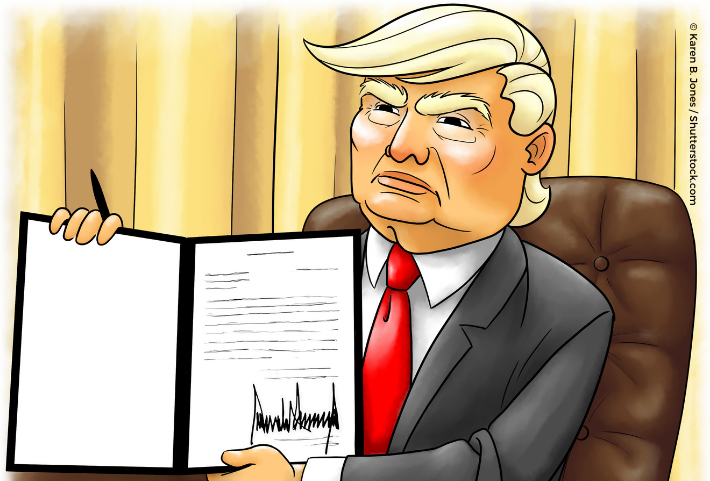
Image Source:Media-diversity
A Sudden Diplomatic Turn
President Donald Trump recently signed several important executive orders at the White House, formally recognising Iran’s trade initiative, with a notable statement: “I’d like to buy.” Usually, such orders have been used to increase pressure on Iran through measures such as reaffirming national emergencies and imposing tariffs on trading partners.
This new development marks a big shift from the long-standing “maximum pressure” approach that has guided U.S. policy for many years. While the previous efforts mainly focused on sanctions and economic isolation, this recent step opens the door for the Departments of State and Treasury to start exploring plans for
direct trade with Iran. This could result in some of the strict sanctions being eased. Recently, President Donald Trump signed important executive orders at the White House, officially acknowledging Iran’s trade initiative with an optimistic statement: “I’d like to buy.” Usually, such orders have aimed to increase pressure on Iran through measures such as reaffirming national emergencies and imposing tariffs on trading partners.
This new development marks an exciting shift away from the long- standing “maximum pressure” approach that has steered U.S. policy for many years. Unlike earlier measures that primarily involved sanctions and economic isolation, this recent change allows the Departments of State and Treasury to begin crafting plans for direct trade with Iran. Such a move could potentially lead to easing some of the strict sanctions that have shaped Middle Eastern geopolitics since the 1990s.
Cooling Ties With Israel
This shift occurs amid heightened tensions between Washington and Israeli Prime Minister Benjamin Netanyahu. Recent reports show that while Trump and Netanyahu are both working to put pressure on Iran, they have different ideas about what their ultimate goals should be. Trump seems willing to consider negotiations — reportedly telling Netanyahu, “Let’s give it a shot”
— whereas Israeli leaders have been advocating for more detailed and stricter conditions. Experts suggest these tougher conditions might be intended to make diplomatic progress more difficult.
The new executive orders accepting Iran’s trade proposal suggest a warm shift in their once-strong strategic partnership. It seems that the U.S. is now leaning towards easing tensions and building economic ties, rather than focusing on military confrontation.
Why This Matters
- A Refreshing Shift After Years of Economic Stalemate
For more than 30 years, U.S. policy towards Iran has mostly focused on sanctions affecting oil, banking, technology, and trade.
However, these new orders gently open up the possibility of more organised economic exchanges—something we haven’t seen since the ban on Iranian petroleum transactions back in 1995.
- A New Diplomatic Landscape
Diplomatic conversations between Washington and Tehran are already underway, with recent meetings in Oman and Geneva. Considering a trade proposal might further strengthen these efforts and possibly help accelerate discussions on nuclear and regional security issues.
Today
Latest developments: President Trump has taken a significant step by signing new executive orders at the White House, where he formally accepted a strategic trade proposal from Iran, saying, “I’d like to buy.” This marks a notable shift away from previous policies of isolation. The move signals a warming of relations and a focus on regional peace and economic cooperation, rather than military confrontation. The orders empower the Departments of State and the Treasury to explore new trade frameworks, potentially breaking decades of economic impasse. Please consider this an invitation to craft an article about this exciting development for my audience. Thanks!
A major shift in U.S.–Iran relations is emerging, with President Donald Trump signing new executive orders that accept a strategic trade proposal from Iran — a move that signals a dramatic pivot away from years of confrontation and toward economic engagement.
A Sudden Diplomatic Turn
President Donald Trump has signed a set of executive orders at the White House formally accepting a trade initiative from Iran, accompanied by the striking declaration: “I’d like to buy.” According to publicly available executive actions, Trump has historically used such orders to escalate pressure on Iran, including reaffirming national emergencies and imposing tariffs on countries trading with Tehran.
This new decision marks a significant departure from the long- standing “maximum pressure” doctrine that has guided U.S. policy for many years. While previous strategies mainly focused on sanctions and economic isolation, this latest development opens the door for the Departments of State and Treasury to begin developing frameworks for bilateral trade. This could potentially lead to easing a sanctions regime that has played a significant role in Middle Eastern geopolitics since the 1990s.
Cooling Ties With Israel
This shift occurs amid noticeable tension between Washington and Israeli Prime Minister Benjamin Netanyahu. Recent reports suggest that although Trump and Netanyahu both agree on putting pressure on Iran, they have different visions for their ultimate goals. Trump has shown openness to negotiation — reportedly telling Netanyahu, “Let’s give it a shot” — while Israeli leaders prefer stricter terms, which analysts think are intended to make diplomacy more challenging.
The recent executive orders welcoming Iran’s trade proposal suggest a gentle shift in the once closely tied strategic relationship. It seems to show that the U.S. is now more focused on easing tensions and building economic connections, rather than seeking military conflict.
Why This Matters
- A Break in Decades of Economic Deadlock
For over 30 years, U.S. policy towards Iran has primarily focused on sanctions related to oil, banking, technology, and trade. However, recent developments hint at a cautious shift towards establishing more structured economic exchanges—something we haven’t seen since the 1995 ban on Iranian petroleum transactions.
- A New Diplomatic Landscape
Open conversations between Washington and Tehran have been happening for a while, with recent meetings in Oman and Geneva. The approval of a trade proposal is a positive step that
bolsters diplomatic efforts and could help expedite discussions on nuclear and regional security concerns.
- Regional Power Rebalancing
A closer, friendlier relationship between the U.S. and Iran could truly make a big difference in the Middle East. It might reduce Israel’s influence over U.S. Iran policy and help ease tensions in important areas like the Strait of Hormuz, the Gulf, and beyond.
What Comes Next
The executive orders don’t lift sanctions immediately or promise full normalisation of relations. Instead, they set the stage for creating mechanisms that could serve as trade channels if Iran meets specific conditions. This step-by-step approach helps the administration gradually see how willing Iran is to engage economically while still keeping leverage in hand.
Diplomats and analysts will now watch closely for: The first formal U.S.–Iran trade framework proposals Reactions from Israel, Saudi Arabia, and Gulf partners Shift in global oil markets
Iran’s response and potential reciprocal measures
Conclusion
President Trump’s acceptance of Iran’s trade proposal — highlighted by the phrase “I’d like to buy” — marks an important and encouraging shift in his administration’s policies. It demonstrates a more thoughtful and strategic approach, showing a genuine willingness to engage in economic diplomacy, and suggests a move away from Israel’s previously firm stance.
In a region that has experienced many conflicts over the years, this moment could be the start of something new and hopeful. While the outcome is uncertain, there’s a bright sense of possibility and positive change on the horizon.
End