Hormuz-by Dr Harold Gunatillake

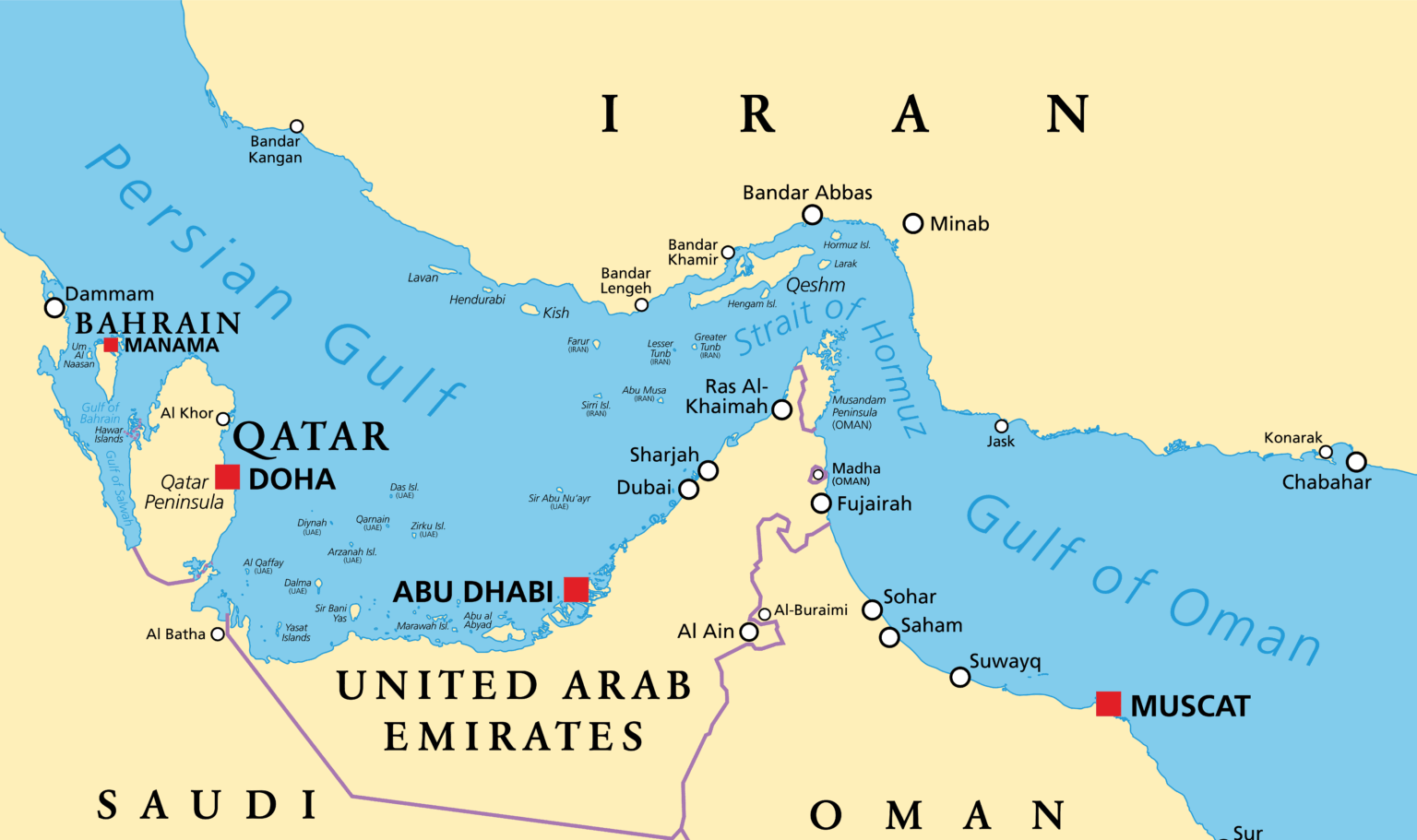
Image Source:wealthwise
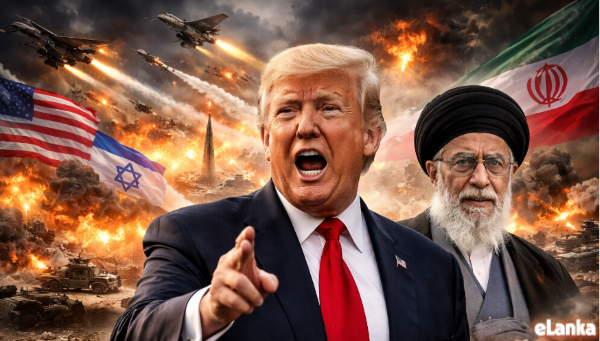
The ultimatum is issued 37 days into the conflict between the United States and Iran, which commenced on February 28, when strikes by the United States and Israel targeted Iranian nuclear and military installations. Iran responded by closing the Strait, thereby restricting approximately 20% of the world’s oil supply and globally fueling concerns over fuel prices, including in Sri Lanka.
If Iran fails to reopen the Strait of Hormuz and reach an agreement to end the conflict, the nation will be left without bridges, power plants, or any critical infrastructure,” President Trump stated to reporters at the White House. He asserted that Iran has been “obliterated” but “is reluctant to acknowledge defeat”.
Tuesday Deadline
Trump established a strict deadline: 8 pm Eastern Time on Tuesday
/ 5:30 am Sri Lankan time on Wednesday. He asserted that if the Strait remains closed, U.S. strikes targeting Iranian infrastructure would commence.
Ceasefire Under Consideration
PakCeasefire Under Consideration. Islamabad-mediated discussions resulted in a draft entitled “Islamabad Accords.” Stage one stipulates an immediate ceasefire to halt missile and drone strikes and the rapid reopening of the Strait. Stage two involves a 15-20 day period dedicated to negotiating sanctions relief and nuclear-related agreements.
Tehran stated that the process will not be expedited. Foreign Minister Abbas Araghchi of Iran demanded “guarantees that we will not be attacked again” before any agreement. Iran also issued a warning of “devastating and widespread” attacks if pressures continue.
Iran Pushes Back
Tehran has stated that it will not be subjected to hasty negotiations. Foreign Minister Abbas Araghchi insists on receiving
“guarantees that we won’t be attacked again” before any agreement is reached. Iran has cautioned that it will respond with “devastating and widespread” attacks if further pressure is applied.
Impact on Sri Lanka
Energy analysts warn that the Strait’s closure poses a direct threat to Sri Lanka’s fuel security.
“Sri Lanka imports over 90% of its crude and refined fuels, much of which transits through the Gulf,” stated Dr Nihal Rodrigo, an energy economist based in Colombo. “Each additional day that the Strait remains closed increases risk premiums and tanker rerouting costs by $2–$4 per barrel. Should this situation persist beyond a week, we could see price hikes of Rs. 20–30 at the pump and potential shortages of diesel supplies for the power sector. An immediate ceasefire and reopening of the Strait would provide prompt relief.”
As of Monday evening, the Strait remains inaccessible to foreign vessels. The following 24 hours will determine whether the conflict escalates or ceases.
As of Monday evening, the Strait remains inaccessible to foreign vessels. The next twenty-four hours will determine whether the conflict escalates or de-escalates.
End