Kiribath – The Heart of the Awurudu Table-by Kalani-eLanka
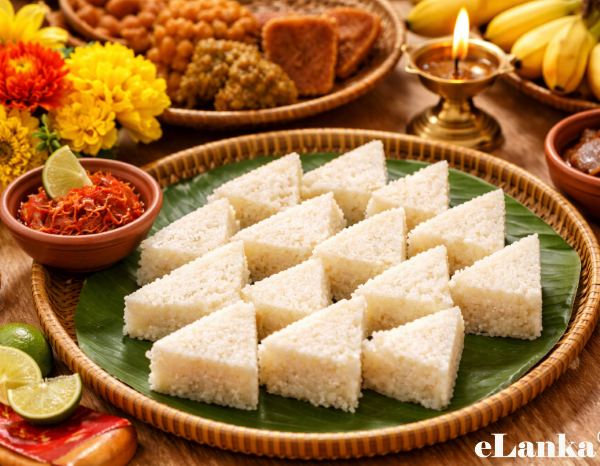
In Sri Lanka, the celebration of the Sinhala and Tamil New Year, known as Awurudu, is incomplete without the traditional dish called Kiribath, or milk rice. This simple yet symbolic food holds a special place in Sri Lankan culture and is one of the first items prepared at the auspicious time marking the New Year.
Kiribath is made using just a few basic ingredients rice, coconut milk, and a pinch of salt. Despite its simplicity, it carries deep cultural and spiritual meaning. The use of coconut milk represents prosperity and richness, while rice, being the staple food of Sri Lanka, symbolizes life and sustenance. Together, they reflect hopes for a year filled with abundance and happiness.
The preparation of Kiribath is often done according to a specific time given in the Awurudu rituals. Families gather in the kitchen, dressed in traditional attire, and cook the rice with fresh coconut milk until it becomes soft and creamy. Once cooked, it is spread evenly on a tray and cut into diamond or square shapes. This presentation is both practical and traditional.
Kiribath is usually served with lunu miris (a spicy onion sambol), jaggery, or sometimes banana. The combination of flavors—creamy, spicy, and sweet—makes it a unique and delicious dish enjoyed by all generations.
More than just food, Kiribath represents unity and togetherness. Sharing the first meal of the New Year with family members strengthens bonds and brings a sense of harmony. It is also offered to guests and neighbors, reflecting the spirit of generosity and goodwill that defines the Awurudu season.
In modern times, although lifestyles have changed, the tradition of preparing and sharing Kiribath remains strong. It continues to be a proud symbol of Sri Lankan heritage, reminding people of their roots and the importance of family and tradition.
In conclusion, Kiribath is not just a dish it is a cultural icon that brings people together during one of the most important celebrations in Sri Lanka. Its presence on the Awurudu table signifies new beginnings, prosperity, and the warmth of shared traditions.