Protecting Our Elders: How Older People Can Safely Survive Extreme Heat
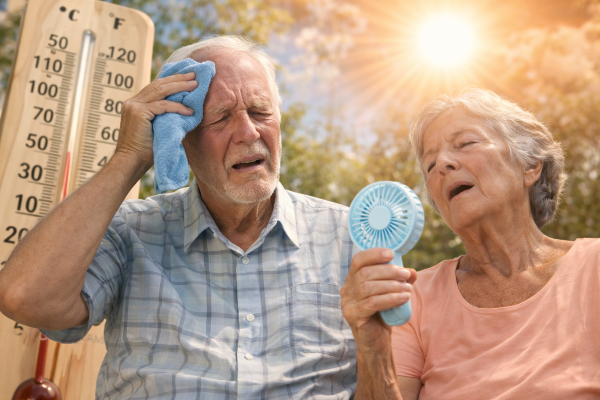
As temperatures continue to rise across many parts of the world, extreme heat has become a serious health concern—especially for older adults. While everyone feels the effects of hot weather, seniors are more vulnerable due to age-related changes in the body and existing health conditions.
Understanding how heat affects older people and taking simple precautions can save lives.
Why Older People Are More at Risk
As we age, our bodies become less efficient at regulating temperature. Older adults may not sweat as much as younger people, making it harder to cool down. In addition, many seniors have chronic illnesses such as heart disease, diabetes, or respiratory problems, which can worsen in hot weather.
Certain medications can also affect the body’s ability to stay hydrated or respond to heat, increasing the risk of heat exhaustion or heatstroke.
Common Heat-Related Illnesses
Older people should be aware of the signs of heat-related conditions:
1. Heat Exhaustion
- Heavy sweating
- Weakness or dizziness
- Nausea or vomiting
- Headache
- Cool, pale skin
2. Heatstroke (Medical Emergency)
- High body temperature
- Confusion or disorientation
- Rapid pulse
- Hot, dry skin
- Loss of consciousness
Immediate medical help is required if heatstroke is suspected.
Essential Tips to Stay Safe in Hot Weather
1. Stay Hydrated
Drink plenty of water throughout the day, even if you don’t feel thirsty. Avoid alcohol, caffeine, and sugary drinks, as they can lead to dehydration.
2. Keep Cool Indoors
- Stay in air-conditioned environments if possible
- Use fans or cool damp cloths
- Keep curtains closed during the day
- Take cool showers
3. Dress Smart
Wear light-coloured, loose-fitting clothing made of breathable fabrics like cotton. A wide-brim hat can provide extra protection when outdoors.
4. Avoid Peak Heat Hours
Try to stay indoors between 11 AM and 4 PM, when temperatures are highest. If you must go out, choose early morning or evening.
5. Eat Light Meals
Heavy meals can increase body heat. Opt for light, fresh foods like fruits, vegetables, and salads.
6. Check on Health Conditions
Monitor existing health issues closely and follow medical advice. Keep medications stored properly, as heat can affect their effectiveness.
7. Stay Connected
Family members, neighbours, and caregivers should regularly check on elderly individuals, especially those living alone.
Simple Cooling Techniques
- Place a wet cloth on the neck or forehead
- Use a spray bottle with cool water
- Soak feet in cold water
- Sit in shaded or ventilated areas
These small actions can make a big difference.
Community Responsibility
Protecting older people during heatwaves is not just a personal responsibility—it’s a community effort. Checking on elderly neighbours, offering transportation to cooler places, or simply ensuring they have enough water can help prevent serious health issues.
Conclusion
Extreme heat can be dangerous, but with the right precautions, older adults can stay safe and comfortable. Awareness, preparation, and care are key to preventing heat-related illnesses.
As temperatures rise, let us remember to protect our elders—because their safety is our shared responsibility.