A Life Devoted to a Noble Social Mission Venerable Pelpola Vipassi Thera-by Gamini Kariyawasam
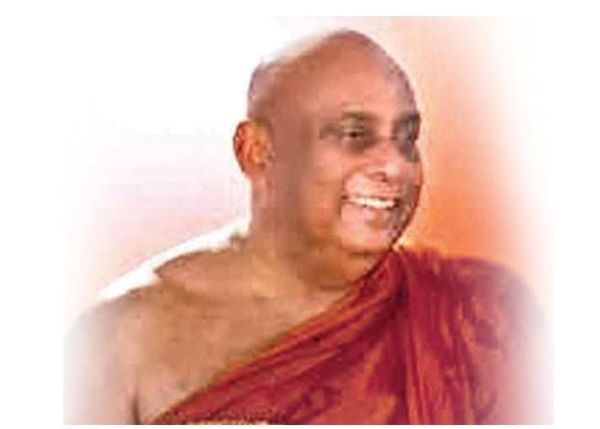
In Commemoration of the Birth Anniversary of Rev.Palpola Vipassi Thero.
A few decades ago, on March 4, in the quiet village of Kuda-Uduwa in Pelpola, Kalutara District, few could have imagined that a child born there would one day rise to international eminence as a Buddhist monk deeply engaged in national, religious, and humanitarian service. That child was Udugodage Wilbert Rodrigue, who later became the world-renowned Venerable Pelpola Vipassi Thera.
Born to devout Buddhist parents Udugodage Remanis Rodrigue and Haputhanthrige Marynona, he was the youngest in a family of four siblings—Sopi Nona, Koraneris, Premawardena, and Jinadasa Rodrigue. From an early age, his life reflected discipline, compassion, and devotion.
Wilbert Rodrigue received his primary education at Pelpola Junior Government College and later completed his senior education at Nalanda College, Kuda-Uduwa. At the age of fourteen, under the guidance of Venerable Pragnatissa Pasdunrata Thera, the Chief Incumbent of Keselhena, he entered the monastic order, receiving the name Pelpola Vipassi. He completed his Pirivena studies at Molligoda Pravachanodaya Pirivena and, in 1970, proceeded to Vidyodaya Pirivena, Maligakanda for higher education.
In 1971, after intensive training in Buddhist philosophy and discipline, Venerable Vipassi Thera travelled to India to serve as a missionary of the Mahabodhi Society, where his social service career formally began. He later served as Deputy Administrator of the Society’s Calcutta branch, marking the start of a lifelong commitment to humanitarian service.
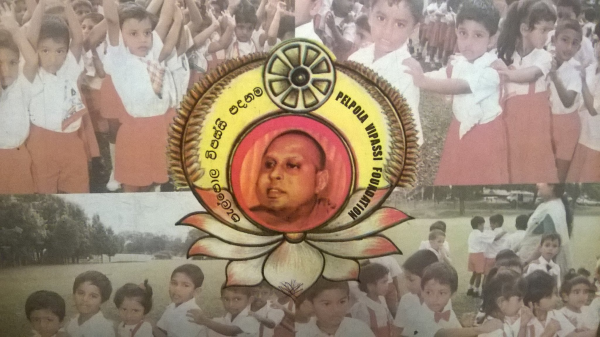
To institutionalise his expanding social mission, Venerable Vipassi Thera established the Pelpola Vipassi Foundation through Act of Parliament No. 16 of 1998. The Foundation aims to promote ethnic, religious, and cultural harmony at both national and international levels. Its activities include the establishment of educational institutions, health clinics, welfare programmes, and financial assistance for the propagation of Buddhism. For nearly five decades, these services have continued uninterrupted.
The epicentre of these activities is Sri Sudarshanaramaya, located on Castle Street, Colombo, between Devi Balika Vidyalaya and the Colombo Cemetery. When the Thera first visited the area in 1964, it consisted only of a small hut amid a neglected landscape. Today, it stands as a vibrant centre of religious and social service.
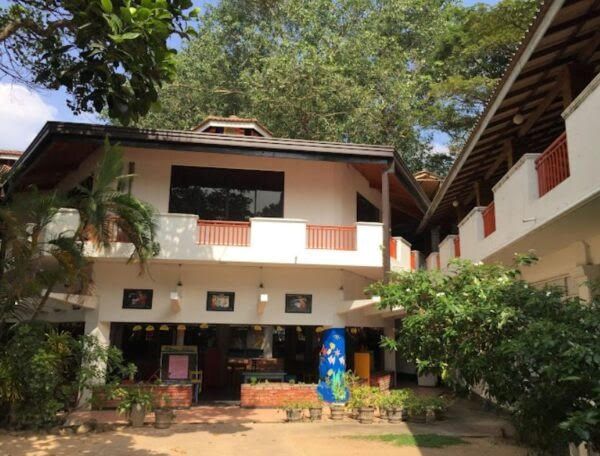
One of Venerable Vipassi Thera’s most enduring educational contributions is the Japan–Sri Lanka Friendship Free Kindergarten, founded in 1981 to commemorate the visit of Crown Prince Akihito and Princess Michiko to Sri Lanka. The institution provides free pre-school education to children from low-income families. Over 6,000 children have benefited from this noble initiative during the past four decades.
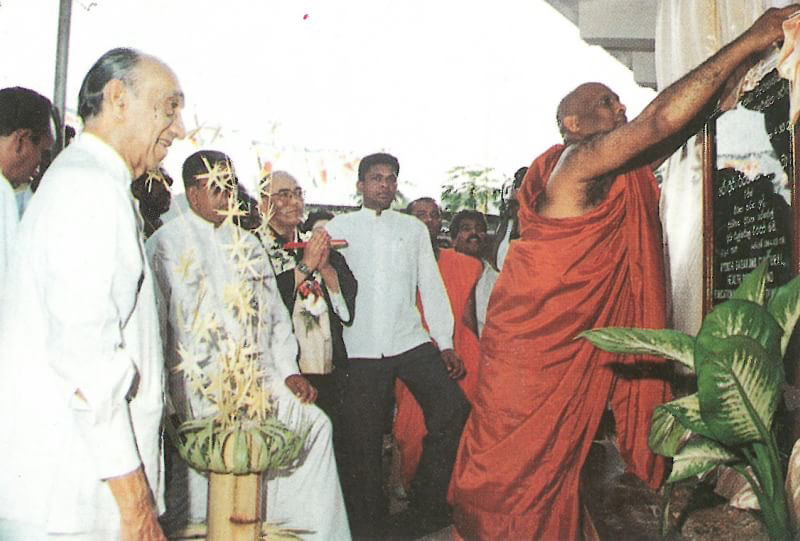
Image Source:Pelpolavipassifoundation
Venerable Vipassi Thera currently serves as Director General of the kindergarten and also holds leadership positions in several religious and social organisations, both locally and internationally. His contributions have been recognised through prestigious titles, including Chief Sanghanayake of Southeast Asia and Chief Sanghanayake of Japan, conferred by leading Buddhist and cultural institutions.
Regardless of race, religion, or caste, his birthday on March 4 has become an occasion marked by large-scale charitable and educational activities—an enduring tradition reflecting the Thera’s philosophy of universal compassion.
His humanitarian service extends to the health sector as well. He donated Rs. 50 million for the construction of surgical wards at the Women’s Hospital, Castle Street, Colombo, and the Vijaya Kumaratunga Memorial Hospital, Seeduwa, with Japanese assistance. Contributions exceeding Rs. 80 million have been made toward school equipment for children of low-income families, as well as members of the security forces and police.
During the 2004 tsunami disaster, Venerable Vipassi Thera donated medicines worth Rs. 12 million to the Ministry of Health and funded the construction of houses for displaced families. In 1986, he also donated Rs. 6 million for the construction of the iron fence surrounding the Colombo Cemetery.
Since 1974, he has maintained close ties with Japan, playing a pivotal role in strengthening Buddhist and cultural relations between the two countries. His efforts enabled Japanese philanthropists to fund the construction of the Peace Pavilion at Sri Pada, as well as the Dharmashala near the Jaya Sri Maha Bodhi in Anuradhapura.
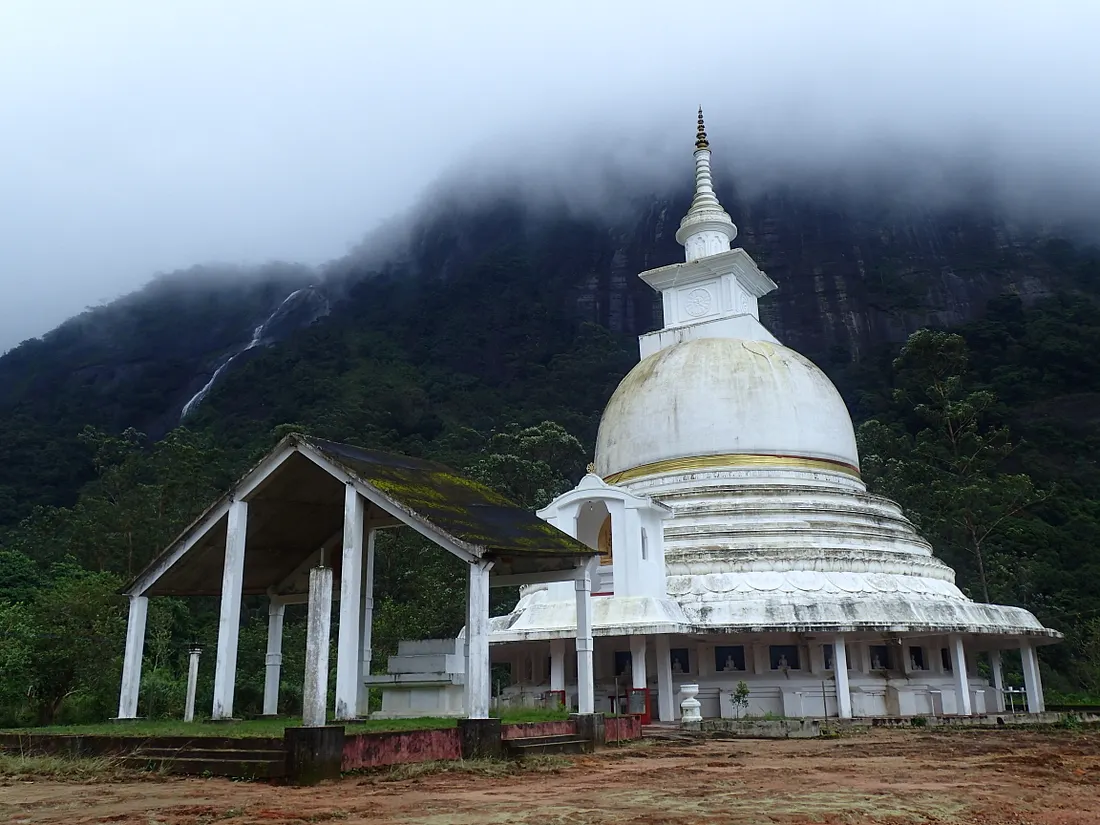
Image Source:Medium
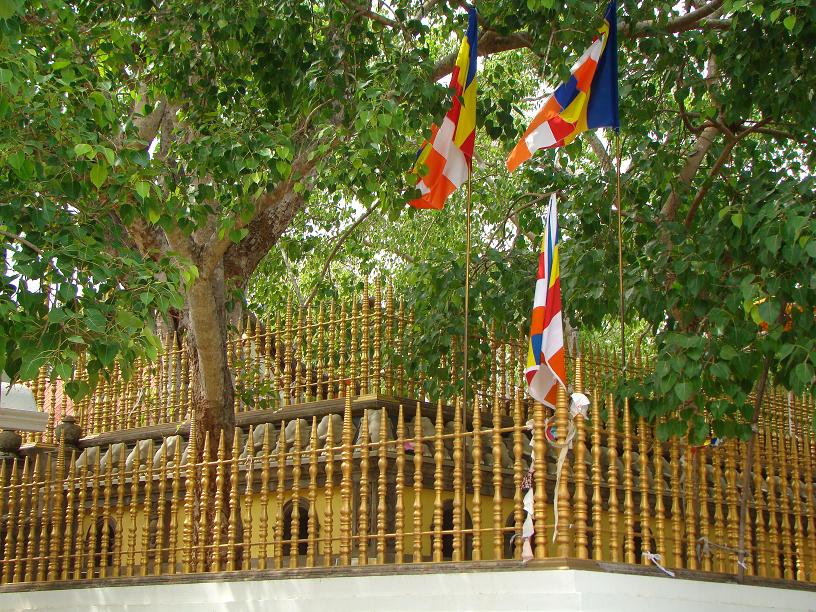
Image Source:UOM
He was also instrumental in promoting Japanese language education in Sri Lanka by securing the patronage of philanthropist Ryoichi Sasakawa for the construction of the Sasakawa Hall.
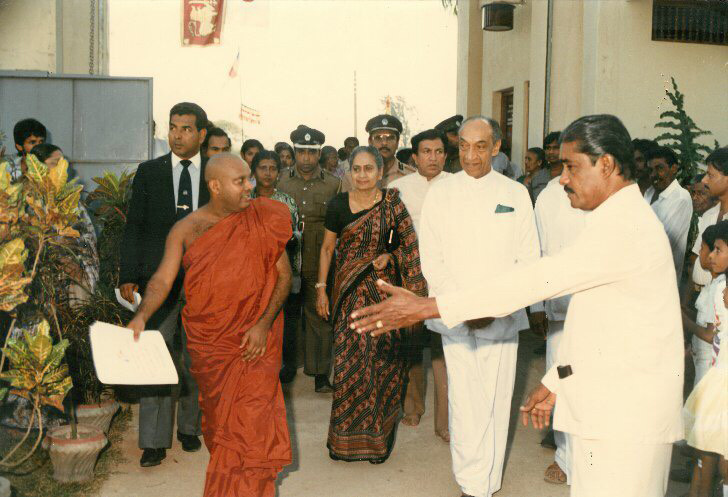
Image Source:Medium
At the request of J. R. Jayewardene, Venerable Vipassi Thera donated Rs. 4 million each to the President’s Fund, Mahaweli Fund, and Sevana Fund. He further facilitated Japanese funding for the Samanala Wewa and Moragahakanda reservoir projects and played a decisive role in initiating direct air links between Sri Lanka and Japan.
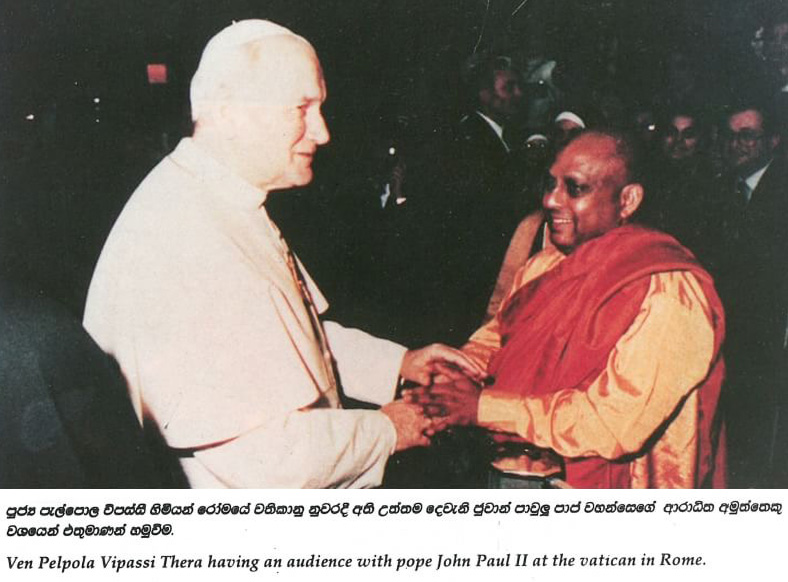
Image Source:pelpolavipassifoundation
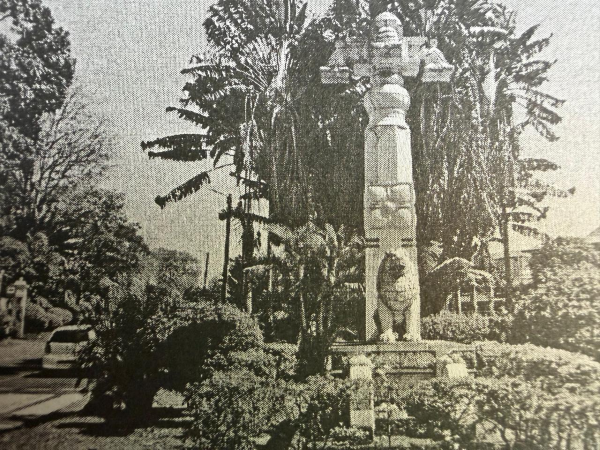
Kandy – “City Entrance Pillar” (නගර ද්වාර ස්ථම්භය)
Venerable Vipassi Thera often recalls the profound gratitude of the Japanese people toward Sri Lanka, particularly in reference to Sri Lanka’s historic stand at the 1952 San Francisco Peace Conference, when J. R. Jayewardene quoted the Buddha’s words:
“Hatred is never appeased by hatred; hatred is appeased by non-hatred.”
This principle continues to guide the life and mission of Venerable Pelpola Vipassi Thera—a monk whose compassion transcends borders, and whose service remains a living testament to Buddhist values in action.
Dr.Gamini Kariyawasam. gaminee@gmail.com