What are the health benefits of onions? Is it advisable to include onions in your daily diet?-by Dr Harold Gunatillake

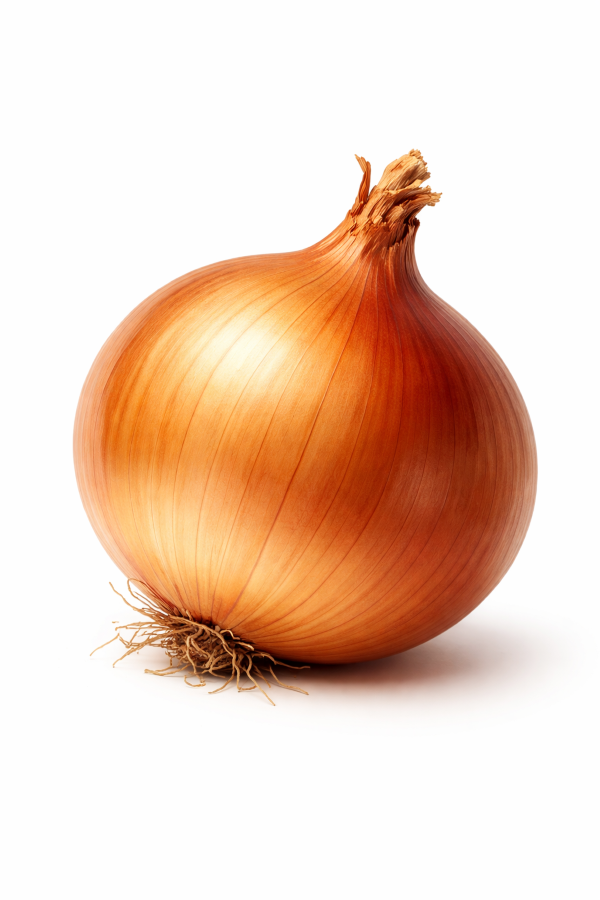
In many ways, onions can be even more beneficial than other popular superfoods like blueberries. Today’s article takes a closer look at the incredible health perks of eating onions, from helping prevent cancer and supporting gut health to promoting overall longevity. It’s truly fascinating to see how such a common ingredient can have such remarkable health benefits!
Consider keeping a plate of sliced onions beside your rice and curry each day. It can add a fresh flavour and even have some health benefits!
Onions serve as a valuable source of Vitamin C, providing approximately 8mg in a medium-sized onion, which constitutes about 10-15% of the recommended daily value. This vitamin supports immune function, collagen synthesis, and iron absorption. Nonetheless, their primary benefits derive from antioxidants such as quercetin and sulfur compounds, which combat inflammation, promote cardiovascular health, and enhance the body’s defences against infections. These effects are complemented by the presence of B vitamins, dietary fibre, and minerals, which contribute to overall health and well-being.
Quercetin has been shown to possess potent anti-inflammatory properties, as mentioned, by helping prevent the oxidation of fatty acids. This process, in turn, leads to fewer pro-inflammatory molecules produced in the body. Much of the flavanol content in onions is concentrated in the outer layers.
Onions are a wonderful source of dietary fibre, offering about 1.4g to 2.5g per 100g. This means they provide roughly 5-10% of your daily value. They’re especially rich in prebiotic fibres like fructans and inulin, which are fantastic for supporting your gut health.
Fibre in your food acts as a helpful prebiotic, nourishing your gut microbes. These friendly microbes produce beneficial chemicals that support your overall health and wellbeing.
Onions contain both soluble and insoluble fibre, making them a great addition to your diet. One cup provides about 12% of the daily recommended intake of 21-38 grams of fibre, helping you stay on track with your health goals.
Big onions, like all onions, are rich in powerful antioxidants such as quercetin (a flavonoid) and sulfur compounds. These nutrients help fight inflammation, reduce oxidative stress, and support your heart, brain, and immune health. Red onions contain more
anthocyanins, which give them their vibrant colour, but all types of onions provide benefits from Vitamin C, B vitamins, and minerals.
Cooking can even enhance the availability of these antioxidants, making onions an even more beneficial part of your diet.
Quercetin helps neutralise harmful free radicals in your body. These free radicals can cause damage to your cells and may contribute to long-term conditions such as heart disease and cancer.
Its anti-inflammatory properties help ease symptoms of conditions like arthritis. If you’re dealing with arthritic issues, consider adding more onions to your daily meals for potential relief.
Additionally, onions contain allium, an organosulfur compound that has been linked to the prevention of system-wide inflammation.
Summarising the benefits of quercetin, it’s excellent for your heart health and can help lower blood pressure. It also reduces the risk of certain cancers, especially those in the gut, improves insulin sensitivity for diabetics, and supports your immune system.
Furthermore, it has potential neuroprotective effects against age- related cognitive decline.
Red onions are a tasty source of about 45 mg of quercetin per 100 grams, with the highest amounts in the outer layers.
Quercetin supports your body’s production of vitamin E, a vital fat- soluble antioxidant that safeguards your cells from damage. It also boosts your immune system, promotes healthy blood flow by widening blood vessels, which reduces blood pressure, and is essential for keeping your skin, eyes, and brain in great shape.
Onions are an excellent source of about 8% of your daily vitamin B6, an essential nutrient that aids your body in making red blood cells. If you’re managing chronic anaemia, adding onions to your daily meals could be a helpful and tasty choice.
It’s often really enjoyable to include raw onions in your meals. You can dice them into salads, add slices to sandwiches, or toss them
into omelettes for extra flavour. Keep in mind that cooking onions might reduce some of their nutrients, so enjoying them raw can be a tasty way to get the most health benefits.
The author typically enjoys a large Bombay onion with each meal, except on days when socialising is on the agenda.
End