Views: 105
REMINISCING LEGENDARY MUSIC LEGEND , FIRST PROFESSOR OF MUSIC , Dr AMARA RANATHUNGA By Sunil Thenabadu in Brisbane
Contents
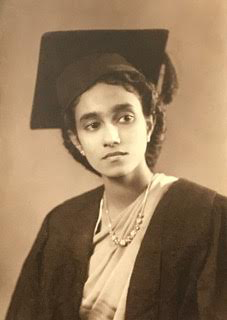
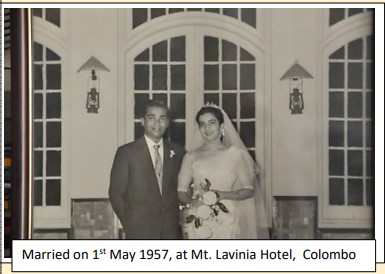
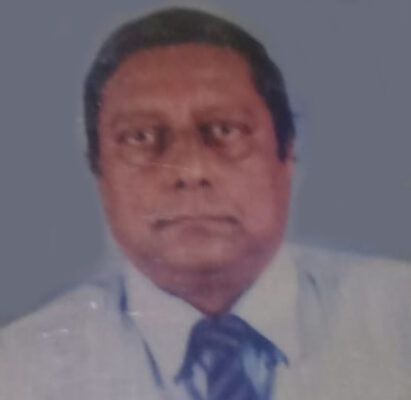
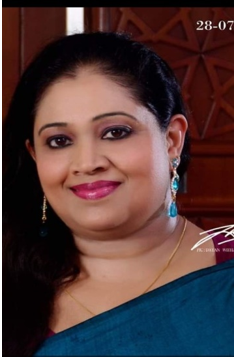
Dr Amara Ranathunga nee Kasthuriaratchchi a native of Hanwella born on year 1939 has had hereditary affiliations to music as her father and many family affiliates had all been music fanatics, hence it was natural for her too to pursue music been a member of the famous ‘Lama Pitiya ‘ from her young age along with her husband Dr Dayaratna Ranathunga a native of Kirulapona, Father had been the first male student of the then Heywood College of music. from where he. had graduated in music. For her inherited talent in music her father a very well to do person had sent her to the Bhathkanda University in Lucknow India.between the years 1961 to 1964.After which for her PhD she was sent to Baranas Hindu university located at Varanasi,Uttara Pradesh which is the prestigious central university, the largest central university in Asia..The nuptial knot between the duo was tied on30th January 1960.

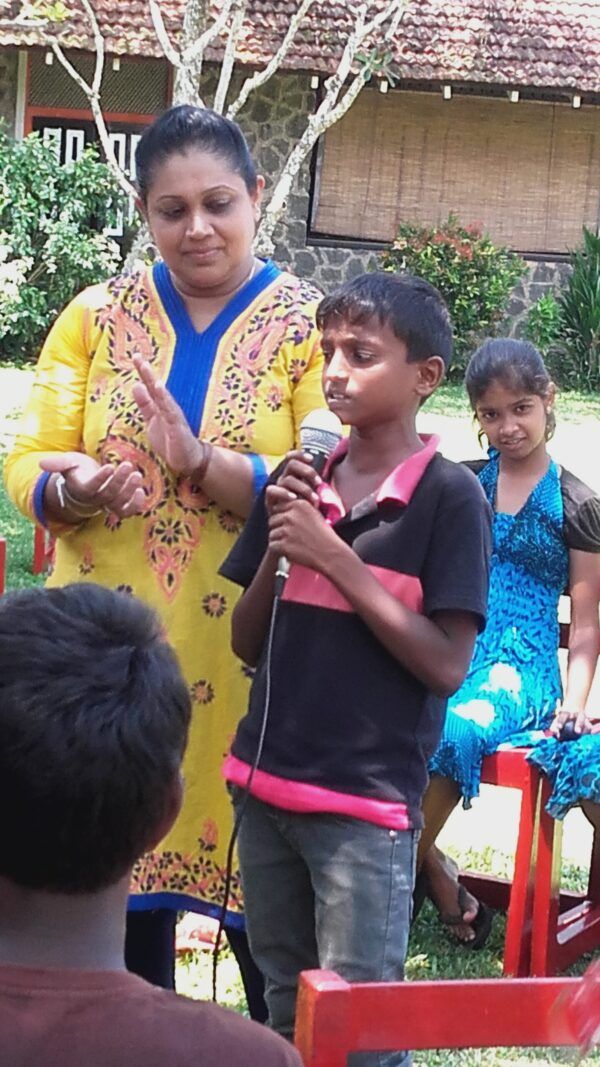
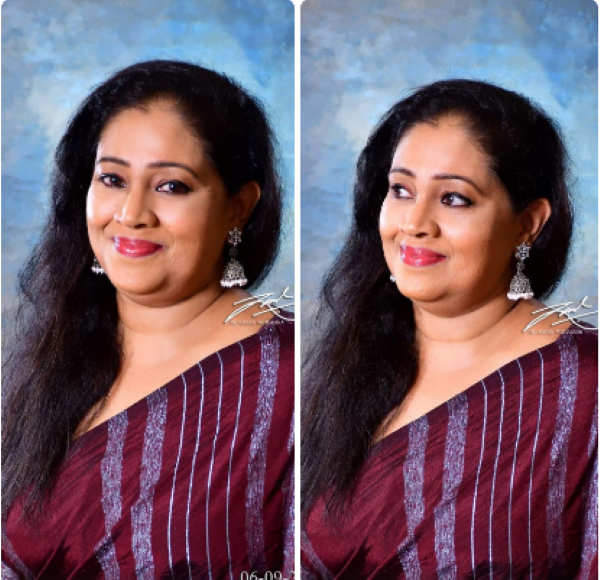
Rupashika is the youngest sibling having two elder brothers , elder Pulasthi Indika and Nanditha Sarada. During her very young age Rupashika reminisces how she too sat with the mother music class pupils listened to the music lessons her mother taught to students with supreme dedication, most of them later became famous musicians and singers in native Sri Lanka. When Rupashika entered school the music that was taught was easily grasped by her having learnt many Raagas so fluently at home. There was a period when only daughter Kumudumathie Rupashika while a young school girl in the higher classes during her school vacation used to visit her mother a resident in the Baranas university along with her father. From the age of twelve the favourite extra-curricular activity of her in school was dancing’ which Rupashika had closely pursued having learnt under professional dance teachers Padmini Dahanayake and Kamala Jayatilleke -‘Bharatanatyam’ style which is the traditional dance style in India Rupashika was also trained in ‘Kathak Dance’ under Madam RanjanaSriwathawa and in vocal music under Madam VanamalaParavathkar.Rupashika had learnt Kandyan dancing from Channa Wijewardena and Upuli Panibaratha..However after a number of constant visits at regular intervals to Baranas Hindu university when Rupashika was in the higher classes she had got a fondness to study music emulating her illustrious mother having got used to the music lecturers , people, culture and life styles in India thus becoming a familiar environment for her in many conducts. When mother Amara Ranathunga was reading for her doctorate (PhD ) in the final year she was enrolled to the Baranas Hindu University for her Sangeeth Visharada, Sangeeth Nipun which Rupashika had triumphed over with ease over a period of time. She is the music teacher of prestigious Masaeus College for over an decade doing yeoman service to children.Rupashika’s research studies and music therapy training was made at the University of Sri Jayewardenapura university while the other research on music therapy for her PhD at the same university .Rupashika had completed her music therapy studies at Chennai school for music therapy which had guided her to work as a music therapist.
Dr Amara Ranathunga after her PhD had initially worked as the music teacher at Meegoda MMV before joining the Kelani University as the music lecturer has the distinction of been elected as the first Professor in music. It was Dr Amara Ranathunga who was chiefly instrumental in establishing the aesthetic and performing arts unit in the Kelani University, Some of her popular songs among many which are still hits even today are Selalihiniyo,Sapumal Suwadak Se,Upuli,Radha Krishna, Maha Reya Yame, Pem Sirilale, Prema kathawaka,,Nawathen Tharu Arundathi, Dedarai Himi Netha Sitha, Sanda Ahase etc which are hits even today , sure to be triumphs for many years to be loved by generations. Rupashika recollects attending to many musical concerts where her parents sang constantly.The music concert “SARANGA” of the parental duo was reminisced by Rupashika in a television dialogue. The singing instincts of the parental duo was via hereditary affiliations was naturally inherited to Rupashika and her two sons Lakidu Watsara and Nadula Akashmitha who could sing well and play many musical instruments had excelled in studies at their alma mater St. Joseph’s College A few songs of Rupashika recorded are titled ‘Api Denna’,’Uthum Daham’’Ranwan Eran Mala,’ Buddhist song ‘Chandrayana’ and a duet with father ‘Sande Ahase’. Rupashika’s husband ism Gayan Nithantha a businessman coud sing have sung a few duets with Rupashika but not made public.
After her tenure in the Kelani University she served the University of visual and performing arts rising to the rank of the Head of the music department of the university during her tenure she had developed the then existing standard of the university to unprecedented tall boosts. A few years after her retirement had prolonged her music career had authored music books had lived healthily until her demise on 16th October 2018 while under treatment at private nursing home following a sudden heart attack.Most of the above information were extracted from a television interview Maharu Television conducted at Rupashika’s residence. at which she sang a number of mother’s songs to the music backing of her elder son,. The presenter added her dwelling was somewhat of a museum with so many trophies, musical instruments, photos etc,
https://share.google/7MoFkW9EuO0hEwfO5
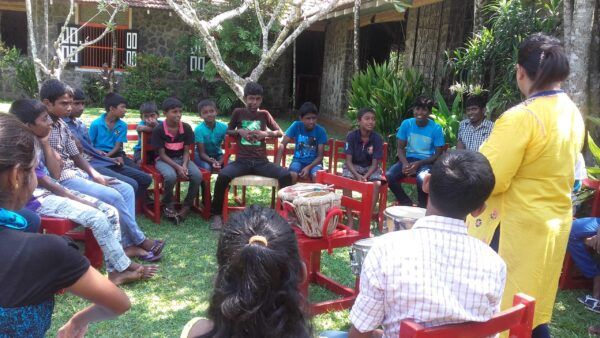
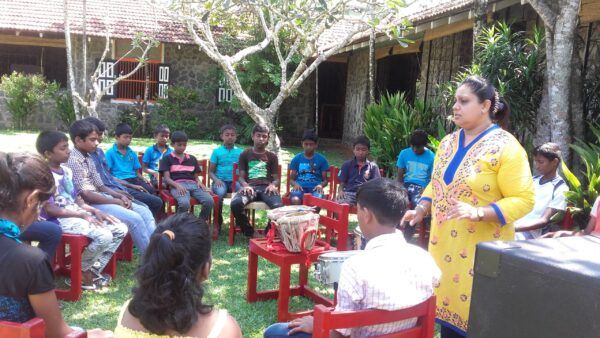
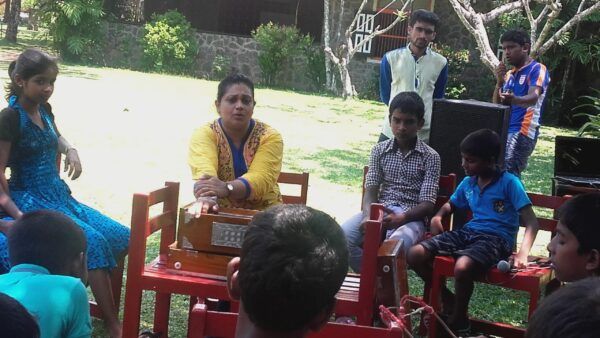
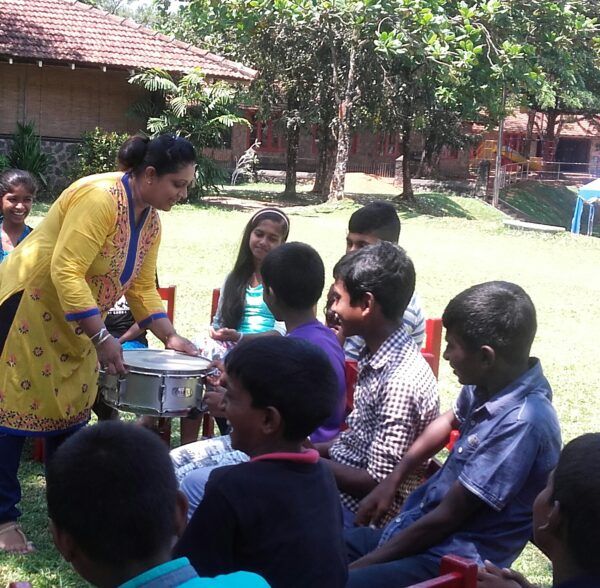

RESEARCHES MADE BY SHRASTRAPATHY SANGEETH NIPUN RUPASHIKA RANATHUNGA
EXPRESSING <MOODS VIA MUSIC
Music is a medium that comprises a blend of musical notes, tune and tone. It is used to express the moods in the human mind. It so happens when the mind that is connected to tone and rhythm releases feelings. By listening to different types of music, different feelings occur. The mind that is stimulated because of the harmony of musical notes creates numerous sentiments.
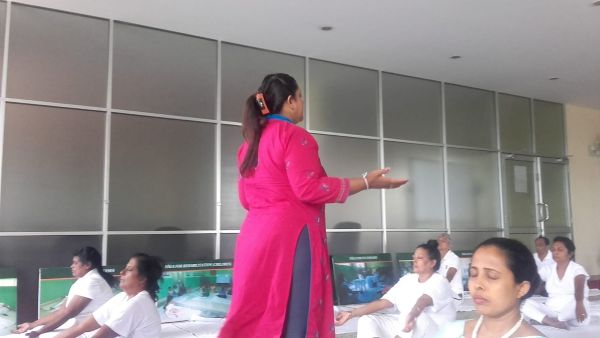
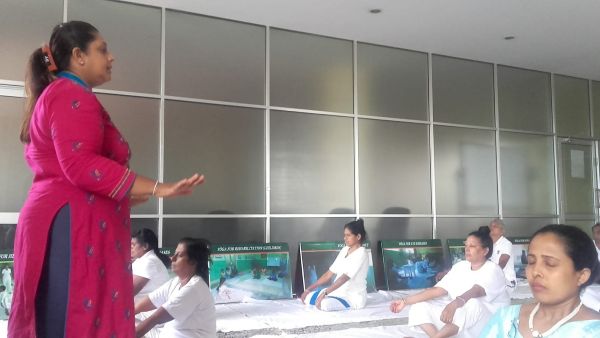
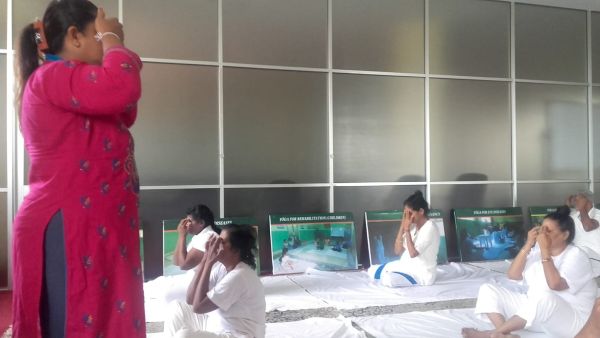
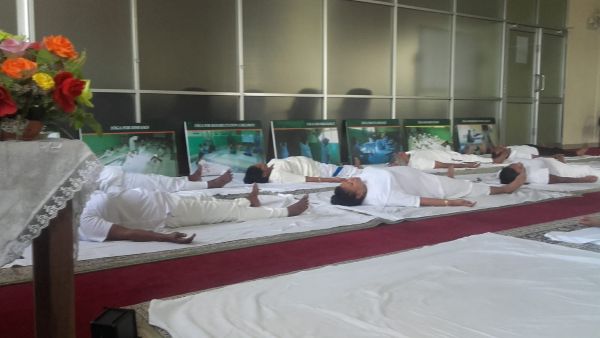
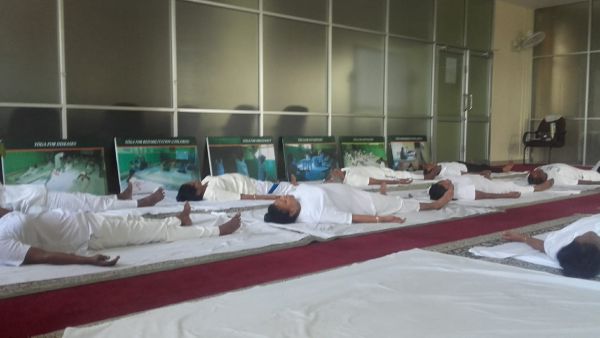
The voice is useful in creating these feelings in one’s mind. In fact, voice is a very powerful tool. For example, more than something that is being told in a softspoken manner, something mentioned in a strong voice will always be remembered better. Accordingly, when a song is sung, the strength of the singer’s voice matters a lot, and he/she should also have an emotional voice for the meaning of the song to reach the listener. When moods are expressed through music, the voice should be very strong. In order to have such strength, it is important to have the power of life in one’s body. This power of life can be developed by practicing Yoga. Therefore, most Indian musicians practice Yoga exercises in order to strengthen their voices by developing their power of life.
Music is used in expressing many moments and emotions such as happiness, sadness, devotion towards God, romantic love and the love between a mother and child. In fact, music is a combination of all feelings in the world, and it is considered the utmost medium of art because of its ability to completely work in connection to human feelings. A child, from the moment it is born, expresses emotions utilizing sound. For instance, infants, though they are unable to articulate verbally, they express emotions such as sadness, happiness, sleepiness and hunger through various sounds. Not only humans, but even other animals use sounds to show how they feel. Furthermore, ancient Indians have discovered through research conducted in relation to Raag therapy that every animal is affected by sound.
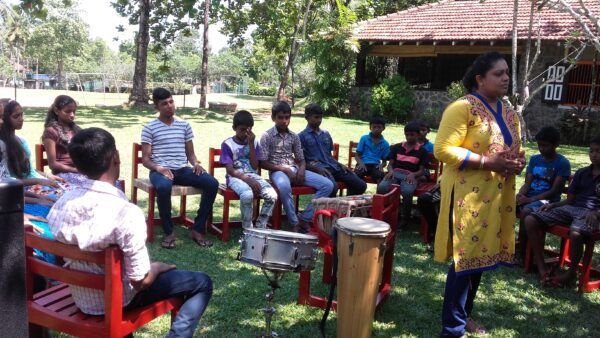
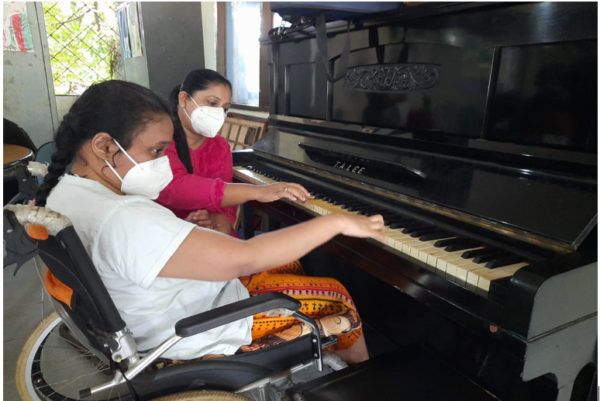
Actions that automatically take place within a human such as beating of the heart, breathing and flowing of the blood occur according to a rhythm, and it is because of this reason that the human body can be easily controlled using the rhythm of music. In the same manner, the human mind too can be controlled with the use of music. We have often seen hyperactive children being controlled by giving them medicine. However, this practice may have long term effects and can lead to the child having a weak mind. The mind and body both can be regularized by using rhythm. By doing so, it not only develops aesthetic appreciation in the child but also the mind and body will be controlled without any harmful effect. Music therapy has introduced various exercises that are helpful in this regard. A mentally challenged child may have difficulties in expressing emotions. At such instances, music is used to get rid of the child’s disturbing nature. Playing a musical instrument, singing aloud in tune to a music and clapping to a rhythm are some such exercises.
In the past, villagers got rid of their loneliness by singing songs such as ‘Pel Kavi’, ‘Gal Kavi’ and ‘Paaru Kavi’. Such folk songs were sung at various instances such as when praising the beauty of a flower, expressing love, speeding up the reaping of the harvest and getting the paddy field ploughed by buffaloes. Even at funeral houses, songs of mourning were sung to share grief with fellow grievers. All these examples prove that the man, from his birth to death, having been using music to express his emotions.
Music waves, while stimulating the human mind, produce numerous moods. Music is essential to the life of a human. Tone and rhythm, which have a become an important component of the environment and culture of the man, are very helpful in maintaining the day-to-day life. The most sensitive medium of expressing moods is music. Music has the ability to change moods and tastes according to rhythms and combinations of musical notes. The one who is associated with music, while developing his/her ability of enjoyment, attracts the universal energy very fast. Music majorly contributes towards
MUSIC AS A THERAPY
Music as a Therapy
A newborn baby steps into this world hearing his/her mother’s song of love and compassion; a
song that blooms out of pure motherly love that soothes and cradles the child. On the other
hand, a child communicates his/her numerous needs and wants through sounds while the
movements of a human being take place according to sound and rhythm both. Further, the
existence of life, circulation of blood and many other related actions occur rhythmically.
Music is created when sound and rhythm are amalgamated. From ancient times, people have
believed that music, which is considered a global language, amazingly contains life. Over the
years, many a psychologist has proved through research that music therapy could be utilized in
curing psychological as well as physical ailments. Ancient Indians believed that one could attract
cosmic powers through music while history speaks of early Greeks and Egyptians who have used
music to reinvigorate the health of humans. In the meantime, it was Pythagoras who first
discovered the therapeutic quality contained in music (Rochelle, Paul, Virginia. M, 1958).
Apart from that, Vedic Scripture, Holly Bible, and Plato as well as Aristotle have mentioned that
music influences the daily routines of humans.
In the Thirteenth Century, Arabs had used music to cure various types of sicknesses; meanwhile,
the French scientists too had practiced music therapy. During World War I, music therapy was
popularly used as Melotherapy. However, this usage obtained scientific permission only after
World War II. In general, doctors believe that people fall sick when their physical rhythm
undergoes any sort of change. The Russian physician Garber, who was of the same view, studied
more extensively on music therapy and referred to it as Psycho Rhythmo Therapy. Through
experiments he discovered that music could make changes in the human brain.
Even the simplest of musical instruments can change the Alpha rays created in the brain while
rhythm controls one’s heartbeat and the breathing process. In 1991, a group of scientists
discovered that sound waves can develop the amount of Ethanol in a human’s body, which is a
key factor affecting the excitation of feelings. Infrasounds are what could be heard under
normal circumstances, which excite feelings thereby making one active. While what cannot be
heard are ultrasounds, can lead to laziness.
Utilizing music as a therapy can be performed in several ways:
1. As a sedative or a tranquilizer that soothes away mental pressure
2. As a pain killer
3. As a remedy in nerve related issues
4. As a stimulus in physical activities and exercising
5. In exhibiting one’s moods
6. For appreciation
7. For mental equilibrium
8. As an accessory in a treatment
As a result, music can be considered a medium that has a massive therapeutic effect. The waves
released into the universe by the nature amalgamates with music and the intricate messages
sent by the sound waves of this amalgamation get deposited in the sensitive areas of the human
brain creating excitement that leads major changes. Accordingly, music is a universal language
as a well as a medium that promotes the wellbeing of human beings.
A newborn baby steps into this world hearing his/her mother’s song of love and compassion; a
song that blooms out of pure motherly love that soothes and cradles the child. On the other
hand, a child communicates his/her numerous needs and wants through sounds while the
movements of a human being take place according to sound and rhythm both. Further, the
existence of life, circulation of blood and many other related actions occur rhythmically.
Music is created when sound and rhythm are amalgamated. From ancient times, people have
believed that music, which is considered a global language, amazingly contains life. Over the
years, many a psychologist has proved through research that music therapy could be utilized in
curing psychological as well as physical ailments. Ancient Indians believed that one could attract
cosmic powers through music while history speaks of early Greeks and Egyptians who have used
music to reinvigorate the health of humans. In the meantime, it was Pythagoras who first
discovered the therapeutic quality contained in music (Rochelle, Paul, Virginia. M, 1958).
Apart from that, Vedic Scripture, Holly Bible, and Plato as well as Aristotle have mentioned that
music influences the daily routines of humans.
In the Thirteenth Century, Arabs had used music to cure various types of sicknesses; meanwhile,
the French scientists too had practiced music therapy. During World War I, music therapy was
popularly used as Melotherapy. However, this usage obtained scientific permission only after
World War II. In general, doctors believe that people fall sick when their physical rhythm
undergoes any sort of change. The Russian physician Garber, who was of the same view, studied
more extensively on music therapy and referred to it as Psycho Rhythmo Therapy. Through
experiments he discovered that music could make changes in the human brain.
Even the simplest of musical instruments can change the Alpha rays created in the brain while
rhythm controls one’s heartbeat and the breathing process. In 1991, a group of scientists
discovered that sound waves can develop the amount of Ethanol in a human’s body, which is a
key factor affecting the excitation of feelings. Infrasounds are what could be heard under
normal circumstances, which excite feelings thereby making one active. While what cannot be
heard are ultrasounds, can lead to laziness.
Utilizing music as a therapy can be performed in several ways:
1. As a sedative or a tranquilizer that soothes away mental pressure
2. As a pain killer
3. As a remedy in nerve related issues
4. As a stimulus in physical activities and exercising
5. In exhibiting one’s moods
6. For appreciation
7. For mental equilibrium
8. As an accessory in a treatment
As a result, music can be considered a medium that has a massive therapeutic effect. The waves
released into the universe by the nature amalgamates with music and the intricate messages
sent by the sound waves of this amalgamation get deposited in the sensitive areas of the human
brain creating excitement that leads major changes. Accordingly, music is a universal language
as a well as a medium that promotes the wellbeing of human beings.
The Therapeutic Value of Sinhala Semi Classical Songs –
We have listened to numerous light songs broadcasted on radio. Some of them have been composed based on Hindustani music. We have quite often witnessed such music containing embellishments such as cadential trills which are visible in Khayal songs. Such songs are known as semi classical songs. Furthermore, many a song composed based on the raagas have been quite popular in Sri Lanka. In some of them, the raaga elements are very much visible and they are present all through the song. In certain songs, only its bases include raaga elements. Apart from that, there are certain other songs composed using a reflection of raagas.
Accordingly, semi classical songs could be categorized as follows:
1. Songs firmly based on raaga forms
2. Songs slightly mixed with raaga forms
3. Songs with a touch of raaga
(Sinhala Geethaye Ragadhari Pasubima – B. Victor Perera, 1999)
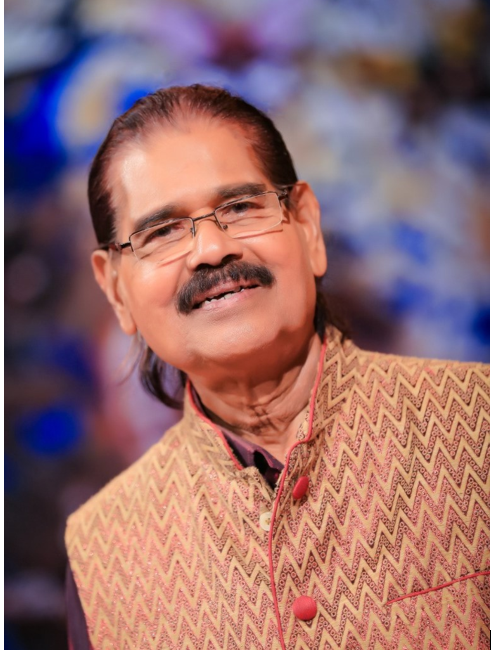
Let us now discuss the song ‘Sendha Ahase Irata Muvaven’ sung by Professor Dayarathna Ratathunga which is strongly based on Raag forms. This song, written by the well-known lyricist Doctor Sunil Sarath Perera and composed by Professor Dayarathna Ranathunga, is greatly relied on the Yaman Kalyan Raaga, and it speaks of the evening time of the day.
“Sendha Ahase Irata Muvaven kaalaya kavulu dhorin miya yanawa ………
Sendha Ahase …….. “
(“The time dies away through the window by hiding from the sun in the evening sky ……..
In the evening sky ………..”)
The best time to sing the Yaman Kalyan Raaga is the evening. In fact, every Hindustani Raaga has a specific time to be sung, since the particular raaga can then excite the relevant emotions of the singer. It has been proven that the sound waves released through musical notes are strongly effective on the surrounding atmosphere as well as the physical body of people. The most suitable time considered for the Yaman Kalyan Raaga to be sung is from 4 – 7pm. The Yaman Kalyan Raaga which should be chanted during the time of the sunset has well suited the lyrics of the song in discussion and the relevant musical notes have further beautified the song.
“Etha atheethen piyawara nagamin ….. kana wela allan kawudho enawa ………..
Balaporoththuwa layata thurulu wee ……. ea ena pera maga bala sitinawa ……..”
(“Someone from the past is coming holding a walking stick ………
Holding on to expectations, he waits for her staring at the road …….”)
When the lyrics of a certain song aim at making the listener feel the current of emotions of a lonely heart or a memory from the past, and when it is done so by combining that particular song with the amalgamation of the intensive and pure madhyams of the musical notations of the Yaman Kalyan Raaga, it becomes further close to the heart of the listener.
According to raaga therapy, among the raagas used in reducing emotional stress, the Yaman Kalyan Raaga holds a special place.
While being stressed with various daily chores, the human mind encounters abundant issues, and this leads to creating emotional pressure. What people mostly tend to forget is that such mental pressure could be the root cause of many physical ailments. To minimize this pressure, at the end of the day, one could be engaged in many diverse activities such as listening to music, yoga, meditating or exercising.
Studies have proved that raaga therapy is capable of developing various chemical processes that occur in the human brain and creating a positive effect on the mind as well as the body. Accordingly, music is favourable for all activities that take place in the brain. When raaga music cannot be utilized directly, songs mixed with raagas could be used as music therapy. The song ‘Sendha Ahase’ excites one’s mind with an atmosphere of a silent environment and also peaceful, relaxing and erotic feelings. Therefore, it is most suitable to daily listen to and or sing such songs in order to minimize mental pressure.
When a human is born as a child, there is no personality development within them. However, eventually, when the brain and body develops, due to the experience gained while growing up in society along with the characteristic guidance provided by adults, there occurs personality development. A nice personality with good qualities can be developed depending on one’s living environment, the culture he associates and the religious values he follows.
Personality is not a mere physical characteristic. In fact, it is to do with much more such as his behaviour, values, intelligence, thoughts, as well as how he interacts with others. Personality is thoroughly analyzed in Psychology. One’s personal qualities well affect how he is liked or disliked by others in society.
The sound waves of the environment we live in have the ability to affect our thoughts. The sounds that we hear are two-fold, namely: noise and tone. Noise consists of harsh sound waves that are not formerly organized while tone has tuneful waves that are well organized. Irregular sound waves of noise not only complicate the human brain while regular sound waves excite certain parts of the brain and develop feelings and moods.
I am sure you have seen glasses being broken due to sharp pitched sound waves. In fact, rhythmic sound waves can even break a colossal bridge. This happens because of the vibration of sound waves. When sound waves are mixed with music enter the human brain, hormones are released while many actions take place within. In music therapy, soft music is used to calm the mind. By studying music, one’s thoughts could be changed positively and in order to do that, many activities are being utilized. Studying music or being involved in musical activities can bring benefits such as being disciplined, developing patience, being single-minded, improving the mind and being active. By changing one’s thoughts, he becomes not only a likeable person but also an accepted person in society.
Listening to music can make the mind healthy and also develop one’s ability to appreciate aesthetics. Enjoyment of aesthetics can create various moods, and these moods can lead to positive emotions while such emotions directly influence one’s personality development. In fact, the raag tunes included in music can discipline you. When studying Raag music, it is important to be single-minded and the ability to maintain this quality can be improved by being involved in activities related to raag tunes. Raag music also develops thoughtfulness, intelligence and knowledge.
A child who is associated with music from the early days is well used to self-satisfaction and self-control. Among the present generation of children, there are many who are used to taking drugs and alcohol. This is a habit that many children with weak minds are addicted to in order to get some temporary relief from the issues they face in life. Yet, the outcome of this habit is a tragic end of life. So, if the child is to be saved from such a disaster, his mind needs to be made stronger, and strengthening his mind is definitely a better method than trying to pull him out of a disaster he has already fallen into. The easiest way to do this is to direct him towards any form of art from his early days. In fact, music therapy has the ability to strengthen weak minds and activate physically weak children.
Listening to music and appreciating it is a vital component in one’s life. It helps in developing emotions such as positive thoughts, kindness, mercy and compassion, and recognize and feel other people’s sadness and happiness which in turn helps one to live as a well-accepted person. Good thoughts and good values do create a good personality. Accordingly, music is a creative art that has the ability to produce important people with great personalities.