The National Flag of Sri Lanka: Symbol of Heritage, Unity, and Sovereignty -By Malsha – eLanka
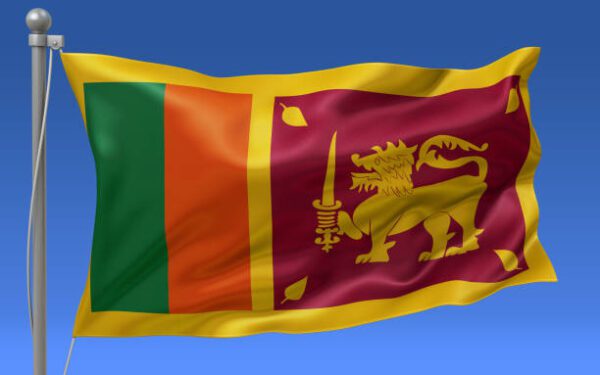
The national flag of Sri Lanka, proudly known as the Lion Flag, is one of the oldest national flags in the world still in use today. Rich in symbolism and history, it reflects the island nation’s ancient heritage, cultural diversity, religious harmony, and hard-won independence. Every element of the flag carries deep meaning, making it not merely a national emblem but a powerful visual narrative of Sri Lanka’s identity.
Historical Origins of the Lion Flag
The origins of the Sri Lankan flag trace back over 2,000 years to the reign of King Vijaya, the legendary founder of the Sinhalese people. Ancient chronicles such as the Mahavamsa describe the lion as the ancestral emblem of the Sinhalese, symbolising bravery and royal authority. Historical records and temple murals show variations of the lion banner used by successive Sinhala kings.
During colonial rule under the Portuguese, Dutch, and British, the Lion Flag disappeared from official use. However, it re-emerged as a powerful symbol of resistance and national pride during the independence movement. When Sri Lanka gained independence from British rule in 1948, the Lion Flag was officially restored as the national flag.
Design and Structure of the Flag
The flag consists of a golden lion holding a sword on a maroon background, bordered by a golden frame. To the left of the lion panel are two vertical stripes: green and orange. Four Bo leaves adorn the four corners of the lion panel.
Each element has been carefully chosen to represent Sri Lanka’s people, beliefs, and values.
Symbolism of the Lion and Sword
The lion represents the Sinhala ethnicity, which forms the majority of Sri Lanka’s population. It symbolises courage, strength, and sovereignty. The sword held by the lion signifies vigilance, independence, and the readiness to defend the nation’s freedom. Its upright stance reflects confidence and authority.
The maroon background represents the Sinhalese Buddhist heritage, emphasising the deep historical roots of Buddhism in Sri Lanka.
The Bo Leaves and Buddhist Influence
Originally depicted as spearheads, the four symbols at the corners were replaced with Bo (Bodhi) leaves in 1972, reinforcing the flag’s Buddhist symbolism. The Bo leaf is sacred in Buddhism, as it was under the Bodhi tree that Lord Buddha attained enlightenment.
The four Bo leaves represent the Four Sublime States (Brahma Viharas):
-
Metta (loving-kindness)
-
Karuna (compassion)
-
Mudita (sympathetic joy)
-
Upekkha (equanimity)
They also signify moral restraint and the spiritual foundations of the nation.
Representation of Minority Communities
The orange stripe represents the Tamil community, while the green stripe symbolises the Muslim community of Sri Lanka. Their inclusion reflects the country’s commitment to unity in diversity, acknowledging the important role of minority communities in the national fabric.
The golden border surrounding the flag symbolises unity, integrity, and harmony among all Sri Lankans, binding the various elements into a single nation.
Evolution of the Modern Flag
Although reinstated in 1948, the flag underwent minor modifications. The most notable change occurred in 1972, when the Bo leaves replaced the earlier spearhead designs. This version remains the official national flag today.
The current design reflects Sri Lanka’s evolution as a republic while preserving its ancient heritage.
The Flag as a National Symbol
The Sri Lankan flag is flown with pride during national celebrations such as Independence Day (February 4), Vesak, and other state occasions. It is also displayed in schools, government institutions, and Sri Lankan embassies worldwide.
For Sri Lankans living abroad, the Lion Flag serves as an emotional link to their homeland, evoking memories of culture, tradition, and national pride.
Conclusion
The national flag of Sri Lanka is far more than a decorative emblem. It is a living symbol of history, faith, unity, and resilience. From the ancient lion of Sinhala kings to the Bo leaves of Buddhist compassion and the stripes representing minority communities, the flag embodies the collective identity of a nation shaped by centuries of tradition and struggle.
As Sri Lanka continues its journey in the modern world, the Lion Flag stands tall as a reminder of the country’s enduring values and the shared destiny of its people.