Top 10 Must-Try Sinhala & Tamil New Year Dishes – By Malsha – eLanka
The Sinhala and Tamil New Year, known as Aluth Avurudu in Sinhala and Puthandu in Tamil, is one of the most vibrant and culturally rich celebrations in Sri Lanka. Falling in mid-April, this festival marks the end of the harvest season and the beginning of a new solar year. Food plays a central role in these celebrations, symbolizing prosperity, unity, and tradition. From sweet delicacies to savory treats, every dish prepared during this festive season carries deep cultural significance.
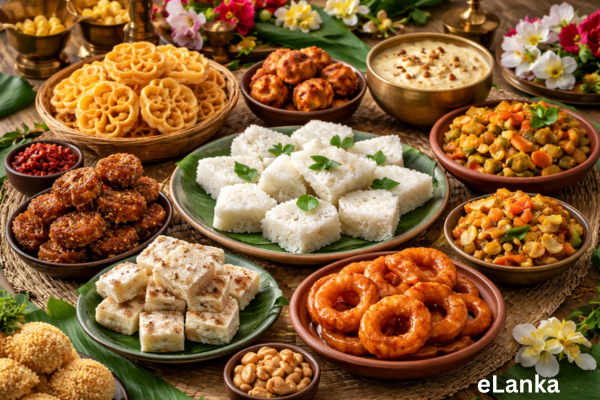
Here are the top 10 must-try Sinhala and Tamil New Year dishes that define this joyous occasion.
1. Kavum (Oil Cakes)
Kavum is perhaps the most iconic sweet associated with the New Year. Made from rice flour and kithul treacle, this deep-fried delicacy comes in various shapes such as Athiraha Kavum and Mung Kavum. Its golden color represents prosperity and happiness. Preparing Kavum requires skill, as the batter must be perfectly balanced to achieve the right texture—crispy on the outside and soft inside.
2. Kokis
Kokis is a crispy, flower-shaped snack influenced by Dutch cuisine during colonial times. Made from rice flour and coconut milk, it is fried using a special mold. Kokis is light, crunchy, and slightly salty, making it a perfect contrast to the sweeter treats on the festive table.
3. Kiribath
Kiribath, or milk rice, is the ceremonial dish that marks the beginning of the New Year. Cooked with coconut milk and served in diamond-shaped pieces, it symbolizes prosperity and new beginnings. It is often paired with lunu miris (spicy onion sambol) or jaggery for a sweet variation. The preparation of Kiribath is usually done at an auspicious time, following traditional rituals.
4. Aluwa
Aluwa is a soft, fudge-like sweet made from rice flour, sugar, and spices such as cardamom. It is cut into diamond or square shapes and sometimes flavored with cashews. This delicacy melts in the mouth and is a staple in every New Year sweet table.
5. Pani Walalu
Pani Walalu, meaning “honey rings,” are deep-fried coils soaked in sugar syrup or treacle. Crispy on the outside and sticky sweet on the inside, these treats are especially popular among children. Their spiral shape is said to symbolize continuity and the cycle of life.
6. Mung Kavum
A variation of traditional Kavum, Mung Kavum incorporates ground mung beans into the batter. This gives it a slightly different texture and flavor—nutty and richer. It is considered a more refined version of the classic oil cake.
7. Undu Walalu
Undu Walalu is made from black gram flour and rice flour, shaped into rings, fried, and then dipped in sugar syrup. It is similar to pani walalu but has a distinct taste due to the use of black gram. This dish is especially popular in Tamil households during the New Year.
8. Vadai
Vadai is a savory snack made from lentils, spices, and herbs, deep-fried to perfection. Crispy on the outside and soft inside, it adds balance to the predominantly sweet New Year table. In Tamil celebrations, different types of vadai such as ulundu vadai (made from black gram) are commonly prepared.
9. Payasam
Payasam is a traditional Tamil dessert made with milk, rice or vermicelli, sugar, and flavored with cardamom, cashews, and raisins. It is creamy, rich, and often served warm. This dish is a symbol of abundance and is commonly prepared during religious rituals and festive occasions.
10. Achcharu
Achcharu is a spicy and tangy mixed pickle made from fruits and vegetables such as mango, pineapple, and olives. While not a sweet, it is an essential accompaniment that adds a burst of flavor to the festive meal. Its combination of sweet, sour, and spicy elements reflects the diversity of Sri Lankan cuisine.
Cultural Significance of New Year Foods
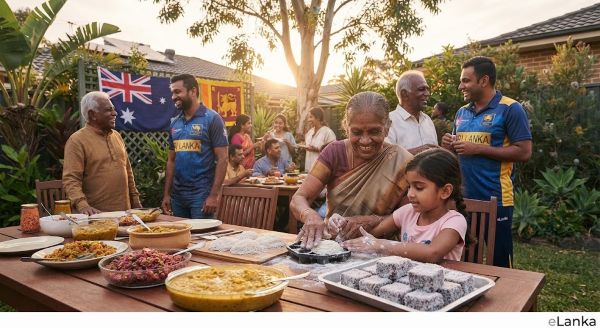
The preparation and sharing of these dishes go beyond mere culinary practice—they are deeply rooted in tradition. Families come together to cook, often following rituals tied to auspicious times determined by astrologers. The first meal of the New Year, usually centered around Kiribath, is shared among family members to strengthen bonds and welcome prosperity.
Many of these recipes have been passed down through generations, preserving the rich culinary heritage of Sri Lanka. The use of local ingredients such as rice flour, coconut milk, and treacle highlights the island’s agricultural roots.
A Celebration of Unity
One of the most beautiful aspects of the Sinhala and Tamil New Year is how it brings together two cultures through shared traditions—especially food. While there are slight variations in preparation and naming, many dishes are enjoyed by both Sinhala and Tamil communities, symbolizing unity and harmony.
Conclusion
The Sinhala and Tamil New Year is incomplete without its traditional dishes. From the sweetness of Kavum and Aluwa to the savory crunch of Vadai, each item tells a story of culture, celebration, and togetherness.
Whether you are experiencing Avurudu for the first time or continuing a family tradition, these top 10 dishes offer a delicious journey into the heart of Sri Lankan heritage. Preparing and sharing them is not just about food—it is about celebrating life, gratitude, and new beginnings.
Suba Aluth Avuruddak Wewa! / Puthandu Vazhthukal! 🎉