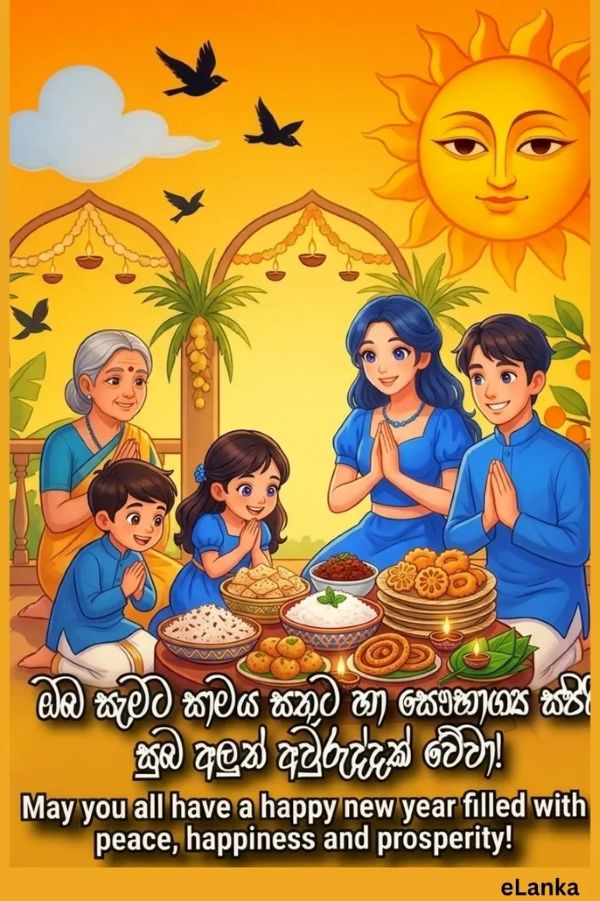
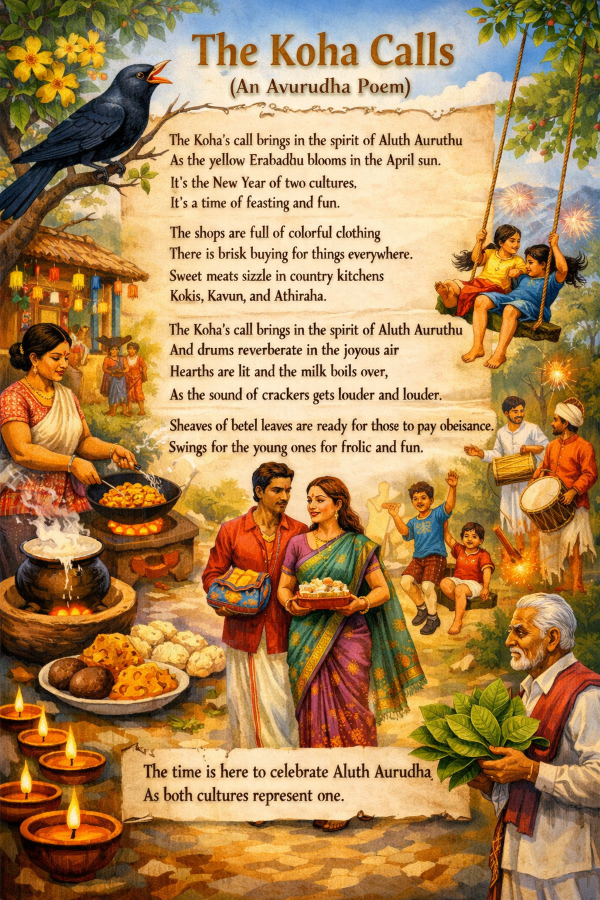
The Melodious Sound of the Koha Bird – A Symbol of Sinhala New Year Traditions
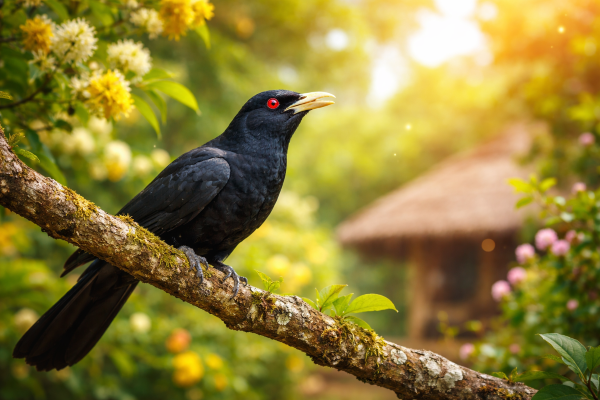
The Sinhala and Tamil New Year is one of the most cherished cultural celebrations in Sri Lanka, marking the transition of the sun from Pisces to Aries. It is a time filled with joy, renewal, and deep-rooted traditions. Among the many natural signs that announce the arrival of this festive season, one of the most iconic is the soothing and familiar call of the Koha bird. The sound of the Koha during the Sinhala New Year season is more than just a natural occurrence—it is a symbol of happiness, prosperity, and new beginnings.
The Koha bird, also known as the Asian Koel, becomes especially active during the months leading up to April, which coincides with the Sinhala New Year. Its distinctive “ko-ho… ko-ho…” call echoes through villages, gardens, and even urban neighborhoods. For many Sri Lankans, hearing the Koha’s call is an emotional and nostalgic experience that signals the arrival of Avurudu, the Sinhala New Year.
Traditionally, the sound of the Koha is associated with the arrival of spring and the end of the dry season. It is believed that when the Koha begins to sing, nature itself is preparing for renewal. Trees begin to bloom, the air feels warmer, and the environment becomes more vibrant. This natural transformation aligns perfectly with the spirit of the Sinhala New Year, which is centered on new beginnings, family bonding, and cultural rituals.
In rural Sri Lanka, the Koha bird holds even deeper significance. Farmers often associate its call with the start of a new agricultural cycle. The Sinhala New Year is closely tied to farming traditions, and the Koha’s voice is seen as a natural signal that it is time to prepare for cultivation. Thus, the bird is not only a cultural symbol but also an indicator of seasonal change that has practical importance in traditional livelihoods.
Beyond its connection to agriculture, the Koha bird also plays a role in Sri Lankan folklore and literature. Many songs, poems, and stories reference the Koha’s call as a representation of love, longing, and joy. During the Sinhala New Year season, its sound creates a peaceful and uplifting atmosphere that enhances the festive mood. Children playing traditional Avurudu games, families preparing sweetmeats, and elders engaging in rituals often do so with the gentle background melody of the Koha.
The emotional connection Sri Lankans have with the Koha bird is deeply rooted in childhood memories. For many, the sound of the Koha brings back images of village life, family gatherings, and the excitement of Avurudu celebrations. Even those living in cities or abroad feel a sense of nostalgia when they hear or think about the Koha’s call. It serves as a reminder of home, tradition, and cultural identity.
In modern times, while lifestyles have changed and urbanization has increased, the significance of the Koha bird during the Sinhala New Year has not diminished. In fact, it continues to be an important cultural marker that connects people to their roots. Whether heard in a quiet village or through recordings shared online, the sound of the Koha remains a timeless symbol of Sri Lankan heritage.
The Koha bird’s call also represents unity and togetherness. The Sinhala New Year is a time when families come together, differences are set aside, and relationships are strengthened. The soothing rhythm of the Koha’s voice seems to echo this sense of harmony, reminding people of the importance of peace and connection.
Furthermore, the Koha bird has become an unofficial ambassador of the Sinhala New Year season. Its presence in media, music, and cultural discussions highlights its importance in shaping the identity of the festival. Many people even say that the Sinhala New Year does not truly begin until the Koha’s voice is heard.
In conclusion, the sound of the Koha bird during the Sinhala New Year is a powerful symbol that goes beyond nature. It represents renewal, cultural heritage, emotional connection, and the beauty of tradition. As the Koha sings each year, it reminds Sri Lankans of the values that define their culture—family, harmony, and hope for a prosperous future. The melodious call of the Koha is not just a sound; it is the heartbeat of Avurudu, bringing joy and meaning to this special time of the year.