All About Sugarcane: Cultivation, Processing, and Benefits – By Nadeeka – eLanka

Sugarcane, scientifically known as Saccharum officinarum, is a tall perennial grass native to the warm temperate to tropical regions of South Asia and Southeast Asia. It belongs to the grass family Poaceae and is primarily cultivated for its juice, from which sugar is processed. The history, cultivation, production, and economic importance of sugarcane form a vast and intricate subject that impacts numerous aspects of human society and natural ecosystems.
Historical Context and Global Spread
Sugarcane’s journey from its origins to becoming a global agricultural commodity is a testament to its versatility and the evolving human quest for sweeteners. The earliest records of sugarcane cultivation date back to around 8000 BCE in New Guinea, where indigenous people began selecting and cultivating the grass for its sweet juice. From New Guinea, sugarcane cultivation spread to Southeast Asia and India. By 600 CE, it had reached Persia, where it was processed into a solid form of sugar.
The Arab expansion facilitated the spread of sugarcane to the Mediterranean and North Africa. The Crusades played a significant role in introducing sugar to Europe, where it was initially considered a luxury commodity. During the Age of Exploration, European colonial powers established sugarcane plantations in the Americas, particularly in the Caribbean and Brazil, leading to the notorious transatlantic slave trade. These historical developments underscore sugarcane’s central role in global economic and social transformations.
Botany and Varietal Development
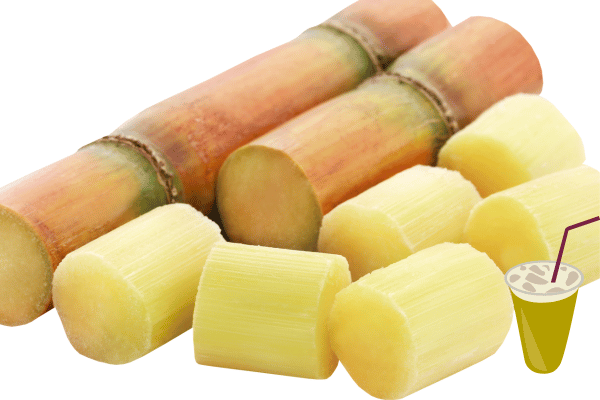
Sugarcane is a complex hybrid derived from interbreeding several species of the genus Saccharum. The main commercial species, Saccharum officinarum, is characterized by its thick stems, high sucrose content, and vigorous growth. Other important species include Saccharum spontaneum, Saccharum sinense, and Saccharum barberi, which contribute to the genetic diversity and adaptability of cultivated sugarcane.
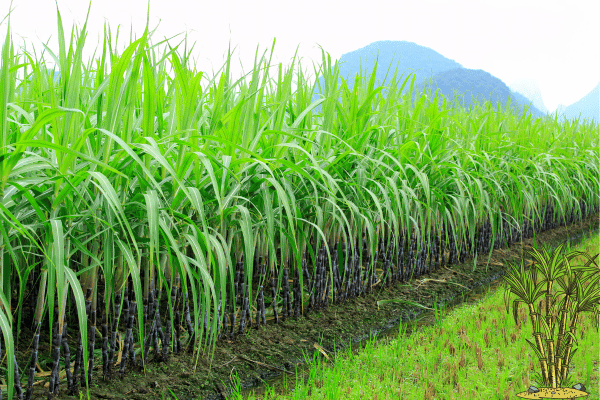
The plant grows best in tropical and subtropical climates, requiring a combination of heat, sunlight, and abundant water. It thrives in a wide range of soil types but prefers well-drained, fertile soils. Modern sugarcane breeding programs focus on developing varieties with high sugar content, disease resistance, and adaptability to different environmental conditions. Techniques such as hybridization, genetic modification, and tissue culture are employed to produce superior sugarcane cultivars.
Cultivation Practices
Cultivating sugarcane involves a series of well-coordinated agronomic practices that ensure optimal growth and yield. The crop is typically planted using vegetative cuttings, known as setts, which are pieces of cane stalk containing one or more buds. These setts are planted in furrows and covered with soil, where they germinate and develop into new plants.
Sugarcane requires a long growing season of 10 to 24 months, depending on the variety and environmental conditions. Key cultivation practices include irrigation, weed control, and pest management. Irrigation is crucial in regions with insufficient rainfall, and modern systems such as drip and sprinkler irrigation are employed to conserve water and improve efficiency. Weed control is achieved through a combination of mechanical, chemical, and cultural methods to minimize competition for resources.
Pest and disease management is vital to maintaining healthy crops. Sugarcane is susceptible to a range of pests, including borers, aphids, and white grubs, as well as diseases such as smut, rust, and red rot. Integrated pest management (IPM) strategies, which combine biological, cultural, and chemical controls, are widely adopted to mitigate these threats.
Harvesting and Processing
Sugarcane is typically harvested manually or mechanically when it reaches maturity, indicated by the accumulation of sucrose in the stalks. Manual harvesting involves cutting the cane close to the ground using machetes or knives, while mechanical harvesting utilizes specialized machinery that cuts and collects the cane in one operation.
Post-harvest, sugarcane must be processed quickly to prevent sucrose degradation. The processing involves several steps: crushing, juice extraction, clarification, evaporation, crystallization, and drying. In the crushing phase, the cane is fed through rollers that squeeze out the juice. The extracted juice is then clarified to remove impurities, often using lime and heat. The clarified juice undergoes evaporation to concentrate the sucrose, followed by crystallization to form sugar crystals. The final product is dried, cooled, and packaged for distribution.
By-products and Their Utilization
The sugarcane industry generates several valuable by-products, including bagasse, molasses, and filter cake. Bagasse, the fibrous residue left after juice extraction, is primarily used as a biofuel to generate electricity and steam in sugar mills. It can also be processed into paper, building materials, and bioplastics.
Molasses, a thick syrup remaining after sugar crystallization, is used in various industries. It serves as a feedstock for producing ethanol, an important biofuel and industrial solvent. Molasses is also used in the food industry as a sweetener and fermentation substrate for producing alcoholic beverages like rum.
Filter cake, a by-product of juice clarification, is rich in organic matter and nutrients, making it an excellent soil amendment. It is commonly applied to sugarcane fields to improve soil fertility and structure, contributing to sustainable agriculture practices.
Economic Importance and Trade
Sugarcane is a major agricultural commodity with significant economic importance, particularly in developing countries. It provides livelihoods for millions of farmers and workers in tropical and subtropical regions. Brazil, India, China, Thailand, and Mexico are among the top producers of sugarcane, contributing to the global sugar supply.
The sugar industry is a vital component of many national economies, generating revenue through the export of sugar and its by-products. International trade in sugar is influenced by factors such as global demand, production costs, trade policies, and market access. The World Trade Organization (WTO) and regional trade agreements play crucial roles in shaping the global sugar market.
Environmental Impacts and Sustainability
Sugarcane cultivation and processing have significant environmental impacts, including deforestation, water use, soil degradation, and pollution. The expansion of sugarcane plantations has often led to the conversion of natural habitats, affecting biodiversity. Water-intensive cultivation practices can strain local water resources, particularly in arid regions.
Efforts to promote sustainable sugarcane production focus on minimizing these environmental impacts through improved agricultural practices and technologies. Sustainable certification schemes, such as Bonsucro and Fairtrade, set standards for responsible sugarcane production, emphasizing environmental stewardship, social responsibility, and economic viability.
Innovations and Future Prospects
The future of sugarcane lies in innovation and the development of new technologies to enhance productivity, sustainability, and profitability. Advances in biotechnology, such as genetic engineering and genome editing, hold promise for creating sugarcane varieties with enhanced traits, including increased sugar content, drought tolerance, and pest resistance.
Precision agriculture techniques, which involve using data and technology to optimize farming practices, are increasingly being adopted in sugarcane cultivation. These techniques include remote sensing, GPS-guided machinery, and data analytics, enabling farmers to make informed decisions about irrigation, fertilization, and pest management.
The bioenergy potential of sugarcane is another area of growing interest. Sugarcane-based ethanol is a renewable energy source that can reduce dependence on fossil fuels and mitigate greenhouse gas emissions. Research into advanced biofuels, such as cellulosic ethanol derived from bagasse and other agricultural residues, is ongoing, with the aim of improving production efficiency and sustainability.
Conclusion
Sugarcane is a remarkable crop that has played a pivotal role in shaping human history, economies, and cultures. Its cultivation and processing have evolved significantly over millennia, driven by technological advancements and changing societal needs. As the global demand for sugar and renewable energy continues to rise, the sugarcane industry faces both challenges and opportunities. By embracing sustainable practices and innovative technologies, the industry can ensure the continued contribution of sugarcane to food security, economic development, and environmental sustainability.