



How to Prepare a Traditional Avurudu Table at Home -By Malsha – eLanka
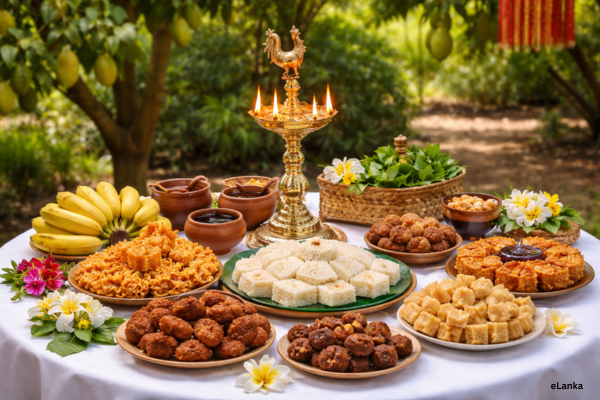
The Sinhala and Tamil New Year, known as Sinhala and Tamil New Year, is one of the most cherished cultural celebrations in Sri Lanka. It marks not only the transition of the sun from Pisces to Aries but also a time of renewal, togetherness, and tradition. One of the most beautiful highlights of this festive season is the preparation of the Avurudu table—a vibrant display of traditional foods symbolizing prosperity, happiness, and unity.
Creating an authentic Avurudu table at home is both a joyful and meaningful experience. Here’s a complete guide to help you prepare a traditional Avurudu table that captures the spirit of the season.
1. Understand the Significance of the Avurudu Table
The Avurudu table is more than just a spread of food—it represents abundance and cultural heritage. Each item placed on the table has symbolic meaning, often associated with prosperity, sweetness in life, and good fortune for the coming year. Preparing it with care and respect adds deeper meaning to the celebration.
2. Choose the Right Time (Auspicious Time)
In Sri Lankan tradition, many Avurudu rituals are performed at specific auspicious times (nekath). The preparation of the first meal and arrangement of the table often follows these timings. Families usually light the hearth and cook the first pot of milk rice at the designated time, allowing it to boil over as a sign of prosperity.
3. Essential Items for a Traditional Avurudu Table
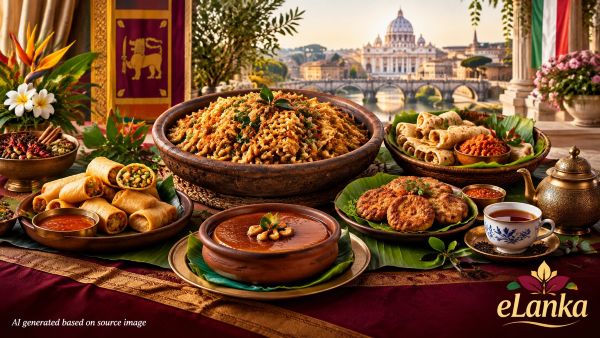
A proper Avurudu table is filled with a variety of traditional sweets and savory treats. Here are the must-have items:
- Milk Rice (Kiribath)
The centerpiece of the table, milk rice symbolizes prosperity and new beginnings. It is typically cut into diamond shapes and served fresh.
- Kavum (Oil Cakes)
A deep-fried sweet made with rice flour and treacle, kavum is a festive favorite.
- Kokis
A crispy, flower-shaped snack made using rice flour and coconut milk, fried to golden perfection.
- Athirasa
A sweet delicacy made from rice flour and jaggery, known for its rich flavor.
- Aluwa
A soft, crumbly sweet made from roasted rice flour, sugar, and spices like cardamom.
- Mung Kavum
A variation of kavum made with mung bean flour, offering a slightly different taste and texture.
- Asmi
A unique sweet made from rice flour batter and coconut milk, topped with sugar syrup.
- Bananas
Usually, a bunch of ripe bananas is included, symbolizing fertility and abundance.
- Jaggery (Hakuru) & Treacle (Pani)
These natural sweeteners are often placed on the table as symbols of sweetness in life.
4. Preparing the Table Arrangement
Presentation plays an important role in the Avurudu table. Here are some tips:
- Use a clean white cloth as the base to symbolize purity.
- Arrange items symmetrically for a visually pleasing display.
- Place the kiribath at the center, as it is the most important dish.
- Surround it with sweets and treats in an organized manner.
- Use traditional plates or trays made of clay, wood, or brass if available.
5. Incorporate Traditional Decorations
Enhance the festive feel by adding cultural decorations:
- Betel leaves (Bulath) – a sign of respect and tradition.
- Fresh flowers – especially lotus or temple flowers.
- Oil lamp (Pahana) – lighting a lamp signifies the removal of darkness and welcoming positivity.
- Traditional clay pots – to give an authentic Sri Lankan touch.
6. Dress the Part
While preparing and presenting the Avurudu table, many families wear traditional attire. Women often wear sarees or lama sarees, while men wear sarongs and national dress. This adds to the cultural atmosphere and makes the experience more meaningful.
7. Follow Avurudu Rituals
Once the table is ready, families gather to observe key rituals:
- Lighting the oil lamp
- Eating the first meal together at the auspicious time
- Feeding each other as a sign of unity and love
- Offering food to elders as a mark of respect
These rituals strengthen family bonds and keep traditions alive.
8. Share with Neighbors and Loved Ones
A beautiful aspect of Avurudu is sharing. It is customary to exchange plates of sweets with neighbors, friends, and relatives. This practice promotes goodwill, harmony, and community spirit.
9. Modern Touches While Preserving Tradition
While it’s important to maintain tradition, you can also add a modern touch:
- Use eco-friendly serving ware
- Add a few fusion sweets while keeping traditional items dominant
- Decorate with subtle lighting for a contemporary look
The key is to balance authenticity with creativity.
Conclusion
Preparing a traditional Avurudu table at home is a heartwarming way to celebrate Sri Lanka’s rich cultural heritage. From carefully selecting ingredients to arranging the table with love and respect, every step reflects the values of unity, gratitude, and hope for the future.
Whether you’re continuing a family tradition or starting a new one, the Avurudu table serves as a beautiful reminder of togetherness and the joy of sharing. As you gather around it with your loved ones, you’re not just enjoying delicious food—you’re celebrating life, culture, and new beginnings.
Suba Aluth Avuruddak Wewa! 🌼