Best Social Media Strategies to Promote Events in 2026
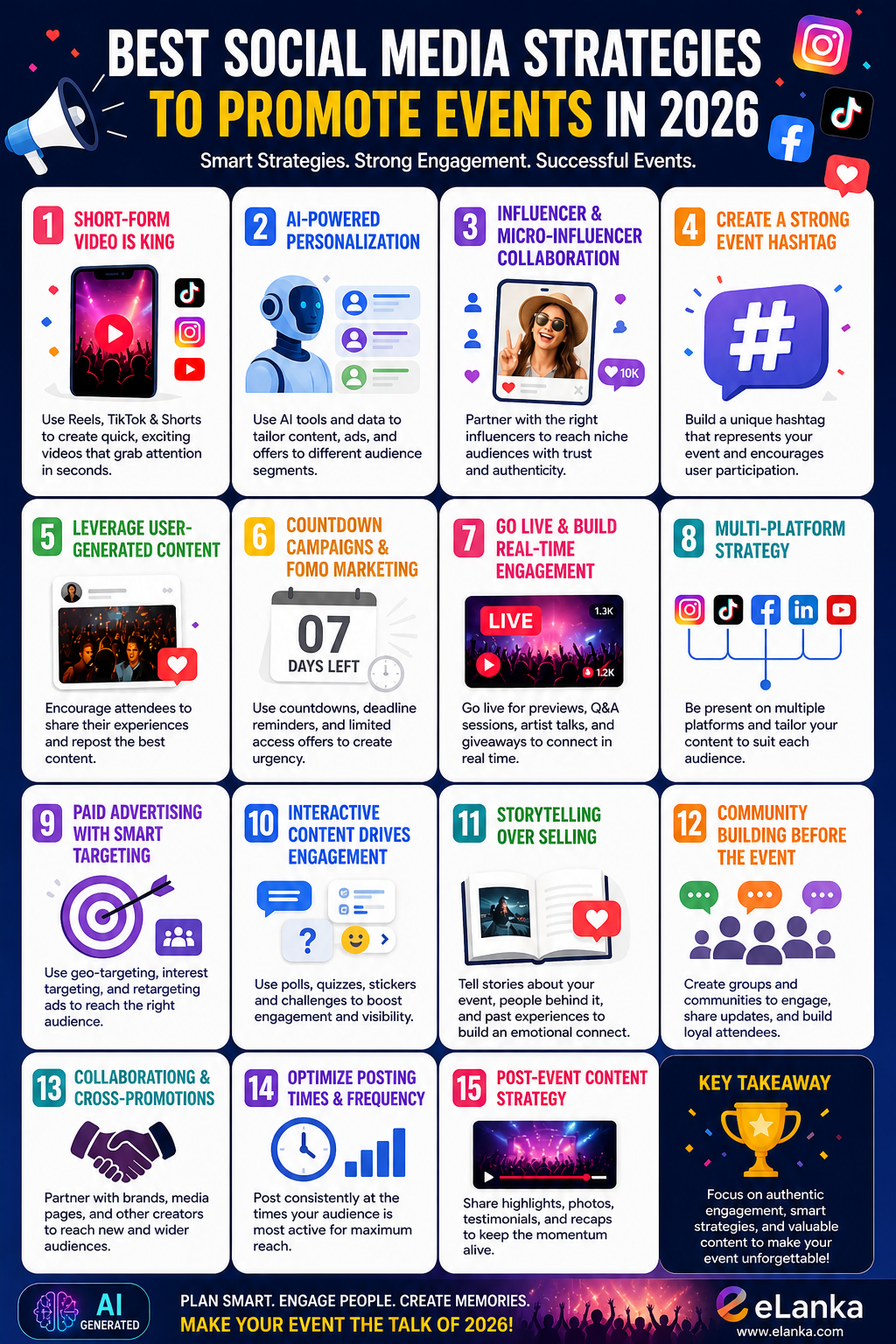
In 2026, social media has evolved into a highly dynamic, algorithm-driven ecosystem where creativity, authenticity, and data-driven decisions determine success. Promoting events—whether festivals, concerts, corporate gatherings, or community functions—requires more than just posting a flyer online. It demands a strategic, multi-platform approach that captures attention, builds anticipation, and drives real engagement.
Here’s a comprehensive guide to the most effective social media strategies to promote events in 2026.
1. Short-Form Video is King
Short-form video continues to dominate platforms like TikTok, Instagram Reels, and YouTube Shorts. Event promoters must prioritize engaging, visually appealing clips that instantly grab attention within the first 2–3 seconds.
Instead of simply posting event details, create:
- Behind-the-scenes clips
- Artist or speaker teasers
- Countdown videos
- Quick highlights from previous events
Use trending audio and captions to boost visibility. Authentic, raw content often performs better than overly polished promotional videos.
2. AI-Powered Personalization
Social media platforms now heavily rely on AI to deliver personalized content to users. You can leverage this by tailoring your messaging to different audience segments.
For example:
- Create different ads for families, الشباب (youth), or professionals
- Customize visuals and captions based on audience interests
- Use retargeting ads for people who interacted with your posts
Personalized campaigns significantly increase click-through rates and ticket conversions.
3. Influencer & Micro-Influencer Collaboration
Influencer marketing remains one of the most powerful tools in 2026, but the focus has shifted from celebrities to micro and nano influencers.
Why?
Because they offer:
- Higher engagement rates
- More trust within niche communities
- Cost-effective promotion
Partner with influencers who align with your event’s theme. For example:
- Food bloggers for food festivals
- Fitness influencers for wellness events
- Cultural creators for traditional or community festivals
Encourage them to create authentic content instead of scripted promotions.
4. Create a Strong Event Hashtag
A unique, memorable hashtag is essential for building a digital identity around your event. It helps track engagement and encourages user-generated content.
Tips for effective hashtags:
- Keep it short and easy to remember
- Make it unique to your event
- Use it consistently across all platforms
Encourage attendees to use the hashtag when posting. This builds organic reach and social proof.
5. Leverage User-Generated Content (UGC)
User-generated content is one of the most trusted forms of marketing. People trust content from real attendees more than branded promotions.
Ways to encourage UGC:
- Run contests (e.g., “Best Dance Video Wins Free Tickets”)
- Create photo-worthy setups at your event
- Share attendee posts on your official pages
UGC not only boosts credibility but also creates a sense of community around your event.
6. Countdown Campaigns & FOMO Marketing
Creating urgency is key to driving ticket sales. Countdown campaigns build excitement and fear of missing out (FOMO).
Strategies include:
- “10 Days to Go” daily posts
- Limited ticket announcements
- Early bird deadlines
- Exclusive VIP access promotions
Use stories, reels, and live updates to keep the momentum going.
7. Go Live & Build Real-Time Engagement
Live streaming is more powerful than ever in 2026. It creates real-time interaction and gives audiences a preview of what to expect.
Use live sessions for:
- Artist interviews
- Event sneak peeks
- Q&A sessions
- Ticket giveaways
Live content feels authentic and helps build a deeper connection with your audience.
8. Multi-Platform Strategy is Essential
Relying on a single platform is risky. Each platform serves a different purpose and audience.
A strong strategy includes:
- Instagram & TikTok for visual storytelling
- Facebook for event pages and community engagement
- LinkedIn for corporate or professional events
- YouTube for long-form promotional videos
Tailor your content to each platform instead of reposting the same content everywhere.
9. Paid Advertising with Smart Targeting
Organic reach alone is no longer enough. Paid advertising plays a crucial role in event promotion.
Focus on:
- Geo-targeted ads (target people near the event location)
- Interest-based targeting
- Retargeting website visitors and previous attendees
Use A/B testing to identify which creatives and captions perform best.
10. Interactive Content Drives Engagement
Interactive content keeps users engaged and increases visibility in algorithms.
Examples include:
- Polls (“Which artist are you most excited for?”)
- Quizzes
- Countdown stickers
- Swipe-up challenges
The more users interact with your content, the more it gets pushed to a wider audience.
11. Storytelling Over Selling
Modern audiences respond better to stories than direct promotions. Instead of saying “Buy tickets now,” tell a story.
For example:
- Share the journey of organizing the event
- Highlight performers and their backgrounds
- Showcase past event experiences
Emotional connection leads to higher engagement and conversions.
12. Community Building Before the Event
Successful events in 2026 start building communities months in advance.
Create:
- Facebook groups
- WhatsApp or Telegram communities
- Exclusive insider content
Engage regularly with your audience by asking questions, sharing updates, and responding to comments.
13. Collaborations & Cross-Promotions
Partner with:
- Brands
- Media platforms
- Community pages
Cross-promotions help you tap into new audiences. For example, a food festival can collaborate with popular restaurants or food bloggers for wider reach.
14. Optimize Posting Times & Frequency
Timing matters. Posting when your audience is most active increases visibility.
General best practices:
- Evenings and weekends for entertainment events
- Weekday mornings for corporate events
Consistency is key—maintain a content calendar leading up to the event.
15.Post-Event Content Strategy
Promotion doesn’t end when the event is over. Post-event content helps build momentum for future events.
Share:
- Highlights and recap videos
- Audience reactions
- Testimonials
- Photo albums
This keeps your brand alive and builds anticipation for your next event.
Conclusion
Promoting events in 2026 requires a blend of creativity, technology, and strategic planning. With the rise of AI, short-form video, and community-driven engagement, event marketers must adapt quickly to stay relevant.
The key is to focus on authenticity, audience connection, and consistent engagement. By leveraging the right platforms, collaborating with influencers, and creating interactive, story-driven content, you can turn your event into a must-attend experience.
Success is no longer just about reaching people—it’s about engaging them, inspiring them, and making them feel part of something bigger
At eLanka, we respect the rights of creators. If we have used an image you own and you’d like it removed, please email us at info@elanka.com.au and we’ll handle it promptly.
Thanks.
eLanka team